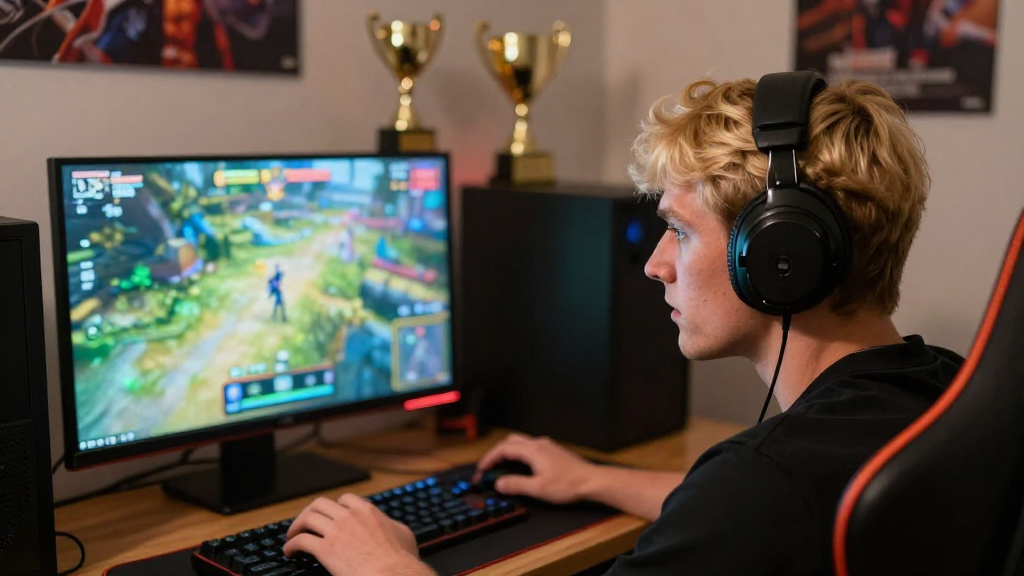
Gamers often cultivate a high level of self-confidence through various engaging experiences in the virtual world.
What Strategies Do Gamers Use to Develop Confidence?
Understanding how gamers develop confidence can shed light on how gaming can foster personal growth and self-esteem.
-
Setting Achievable Goals
– Gamers regularly set and achieve small, manageable goals within games.
– Completing a challenging level or unlocking a new character boosts their self-belief. -
Learning from Failure
– In the gaming world, failure is a common occurrence.
– Resilience is key: gamers learn to bounce back after defeats, which teaches them not to fear failure in real-life scenarios. -
Social Connections
– Multiplayer games allow gamers to forge friendships and collaborate.
– This sense of community can impart a strong sense of belonging, which fuels self-confidence. -
Skill Development
– Gamers constantly practice and refine their skills, from strategy to teamwork.
– Mastering new skills in a game translates to real-life competencies, enhancing self-esteem. -
Positive Reinforcement
– Many games include reward systems that provide regular feedback on a player’s progress.
– Receiving in-game awards or recognizing achievements boosts a player’s confidence.
How Does Competitive Play Foster Confidence?
How gamers develop confidence is particularly evident in competitive settings where skill and strategy are paramount.
-
Facing Challenges Head-On
– Competing against others often involves high stakes and challenges.
– Overcoming these challenges can significantly enhance self-esteem. -
Public Recognition
– Platforms such as Twitch and esports tournaments allow players to showcase their talents.
– Positive feedback from peers and spectators further encourages confidence growth. -
Goal Achievement
– Competing in organized events pushes gamers to set higher goals.
– Achieving victories in such environments reinforces their sense of capability.
Do Team Games Enhance Self-Confidence?
Team-based games illustrate the importance of collaboration in building self-esteem.
-
Fostering Leadership Skills
– Gamers often assume leadership roles in teams.
– This responsibility fosters decision-making skills and confidence in their abilities to guide others. -
Shared Success
– Success is not just personal; it is collective.
– Celebrating wins as a team creates a sense of camaraderie and boosts each individual’s confidence. -
Understanding Team Dynamics
– Players learn to work with different personality types, improving their communication skills.
– Enhanced interpersonal skills lead to increased confidence in social scenarios.
Can Single-Player Games Build Confidence?
While multiplayer experiences are often highlighted, single-player games also contribute significantly to how gamers develop confidence.
-
Personal Achievement
– Players can take pride in conquering difficult challenges on their own.
– The sense of accomplishment gained from beating a game fosters self-belief. -
Narrative Engagement
– Immersive stories allow players to see their journey evolve.
– Identifying with a protagonist’s growth can inspire personal reflection and confidence. -
Self-Paced Learning
– Single-player games allow gamers to play at their own pace without the pressure of competition.
– This aids in building a more profound understanding and mastery of game mechanics, leading to boosted confidence.
What Role Does Constructive Feedback Play?
Feedback is crucial in how gamers develop confidence.
-
In-Game Learning
– Many games provide instant feedback on a player’s performance.
– This immediate response allows gamers to adapt and improve quickly, promoting consistent growth. -
Community Reviews
– Comments and reviews from the gaming community can uplift or provide constructive criticism.
– Constructive criticism encourages players to refine their skills and develop resilience in the face of challenges. -
Mentorship
– Experienced gamers often mentor newcomers.
– This mentoring relationship builds confidence, not just for the learner, but also for the mentor as they impart their knowledge.
Can Gaming Translate to Real-World Confidence?
Discussing how gamers develop confidence includes recognizing the transfer of skills to real-life scenarios.
-
Enhanced Problem-Solving Skills
– Navigating complex game environments sharpens critical thinking and strategic planning.
– These skills are transferable to academic and professional settings, fostering greater confidence. -
Better Communication Skills
– Engaging in team dynamics, even in digital forms, helps improve verbal and non-verbal communication.
– This improvement can contribute to better performance in real-life social and professional interactions. -
Boosted Emotional Resilience
– Gaming requires players to manage emotions like frustration and disappointment.
– Learning to control these emotions enhances emotional intelligence, resulting in increased confidence in stressful situations.
What Are Some Real-Life Examples of Confident Gamers?
Several well-known gamers showcase the profound effect of gaming on self-esteem.
- Ninja (Tyler Blevins)
-
A leader in the Fortnite community, Ninja’s rise to stardom exemplifies how gaming can translate into significant social influence.
-
Pokimane (Imane Anys)
-
As a prominent figure in the gaming community, she uses her platform to inspire confidence in others, especially women in gaming.
-
Shroud (Michael Grzesiek)
- Recognized for his exceptional skills in first-person shooters, Shroud demonstrates that dedication to gaming can lead to recognition and self-assurance.
Conclusion: How Do Gamers Build Self-Confidence?
In conclusion, understanding how gamers develop confidence reveals the psychological benefits of gaming.
Through goal setting, learning from failure, engagement in social dynamics, and the acquisition of new skills, gamers create robust frameworks for enhancing self-esteem.
As gaming continues to evolve, its role in fostering personal growth and confidence will remain an essential aspect of player experiences.
By recognizing these factors, both gamers and non-gamers can appreciate the potential of gaming as a powerful tool for self-improvement and personal development.