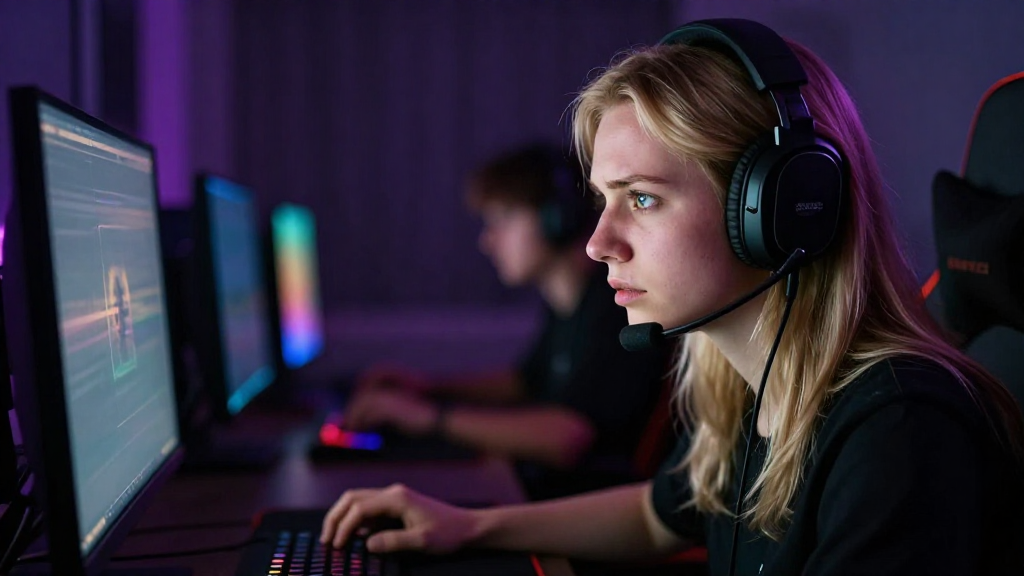
In the realm of gaming, understanding how gamers control emotions has become a crucial aspect of enhancing both the gaming experience and personal growth.
Why is Emotional Control Important for Gamers?
Gamers face a variety of challenges, from competitive matches to complex storylines.
These situations often evoke strong emotions, such as:
- Frustration during difficult levels
- Excitement during victories
- Anxiety during competitive gameplay
Effective emotional control not only improves performance but also leads to a healthier gaming experience.
What Techniques Help Gamers Control Their Emotions?
Understanding how gamers control emotions involves exploring a range of techniques that can enhance focus and calmness during gameplay.
Here are some common strategies:
-
Mindfulness and Meditation
- Practicing mindfulness helps gamers become aware of their emotions.
- Simple meditation techniques, even for a few minutes before gaming, can reduce stress and improve concentration.
-
Breathing Exercises
- Deep breathing techniques can calm nerves during intense matches.
- Inhale deeply for 4 seconds, hold for 4 seconds, and exhale slowly over 6 seconds.
-
Positive Self-Talk
- Replacing negative thoughts with positive affirmations can shift a gamer’s mindset.
- Examples include telling oneself, “I can do this” or “I learn from every experience.”
-
Goal Setting
- Setting achievable goals creates a sense of direction and reduces frustration.
- Break down larger objectives into smaller, manageable tasks.
-
Cognitive Behavioral Techniques
- Identifying negative emotions and challenging them can lead to better emotional regulation.
- For example, if a gamer feels anxious about failing, they should remind themselves of past successes.
How Do Gamers Use Communities to Manage Their Emotions?
Another way to learn how gamers control emotions is through community engagement.
Online gaming communities play a vital role in emotional support, providing avenues for sharing experiences and coping strategies.
Here’s how community can help:
-
Sharing Experiences
- Discussing emotional responses can normalize feelings, making them easier to manage.
- Gamers often support each other by sharing stories of overcoming frustration or anxiety.
-
Online Workshops and Webinars
- Many platforms offer workshops focusing on emotional health and gaming.
- These sessions provide valuable insights into emotional control techniques.
-
Mentorship and Coaching
- Experienced gamers often mentor novices, guiding them through emotional challenges.
- This relationship can be invaluable for learning how to maintain composure under pressure.
What Role Does Game Design Play in Emotional Regulation?
While personal strategies are crucial, understanding how gamers control emotions also involves examining game design.
Game developers are increasingly aware of the emotional journeys players experience.
Key aspects include:
-
Dynamic Difficulty Adjustment
- Games that adapt to a player’s skill level can reduce frustration and maintain engagement.
- This design allows for a smoother learning curve, improving emotional experiences.
-
Narrative Elements
- Engaging storylines evoke emotional responses but should also provide moments of relief.
- Games that balance tension with lighter moments can help players better manage their emotions.
-
Feedback Systems
- Visual and auditory feedback can inform players when they are performing well or poorly.
- This awareness helps gamers adjust their emotional responses accordingly.
How Does Practice Improve Emotional Control in Gaming?
Repetition and practice significantly contribute to how gamers control emotions.
With time and experience, gamers develop strategies almost instinctively. Here’s how practice boosts emotional control:
-
Familiarity with Situations
- Players learn to recognize high-pressure scenarios and the emotions that come with them.
- This recognition allows for quicker emotional response adjustments.
-
Building Resilience
- Encountering setbacks during gameplay fosters resilience.
- Players learn not to fear failure but to see each setback as a learning opportunity.
-
Mastery Through Repetition
- Repeatedly playing specific genres or games builds confidence in handling related emotional situations.
- For example, competitive players often develop better control in high-stakes matches over time.
Can Gamers Use Physical Activity to Control Emotions?
Physical activity is not just beneficial for health; it also plays a significant role in how gamers control emotions.
Integrating physical activity into a gaming lifestyle can have profound effects.
Consider the following:
-
Increased Endorphin Levels
- Regular exercise releases endorphins, helping to reduce feelings of stress and anxiety.
- Simple activities like walking or stretching during gaming breaks can enhance emotional wellbeing.
-
Improved Focus and Concentration
- Physical activity can clear the mind, enhancing focus during gameplay.
- Gamers who exercise regularly often experience improved cognitive function.
-
Stress Relief
- Engaging in sports or workouts allows gamers to vent built-up frustration.
- This relief can lead to better emotional regulation during actual gaming sessions.
How Can Gamers Balance Competitive Play with Emotional Health?
Finding the right balance between competitive gaming and emotional health is key to how gamers control emotions.
Here are some tips to maintain this balance:
-
Know When to Take Breaks
- It’s vital to step back when emotions run high.
- Short breaks can help reset emotional states, making players more effective upon return.
-
Limit Gaming Time
- Setting boundaries around gaming time can prevent emotional burnout.
- Designate specific hours for gaming to maintain a healthy relationship with it.
-
Practice Self-Compassion
- Gamers should be gentle with themselves and recognize it’s okay to feel frustrated or anxious.
- Understanding and accepting one’s emotions leads to better control.
Conclusion: Mastering Emotional Control in Gaming
Ultimately, mastering how gamers control emotions is an evolving journey that incorporates mindfulness practices, community support, effective goal-setting, and physical well-being.
As players become more skilled at managing their emotions, they not only enhance their gaming performance but also cultivate resilience and personal growth.
By implementing these strategies and understanding the emotional landscape of gaming, players can reach new heights in their gaming experiences and overall emotional health.
So whether you’re a seasoned gamer or just starting, consider these techniques and foster a deeper connection with yourself and your gaming world.