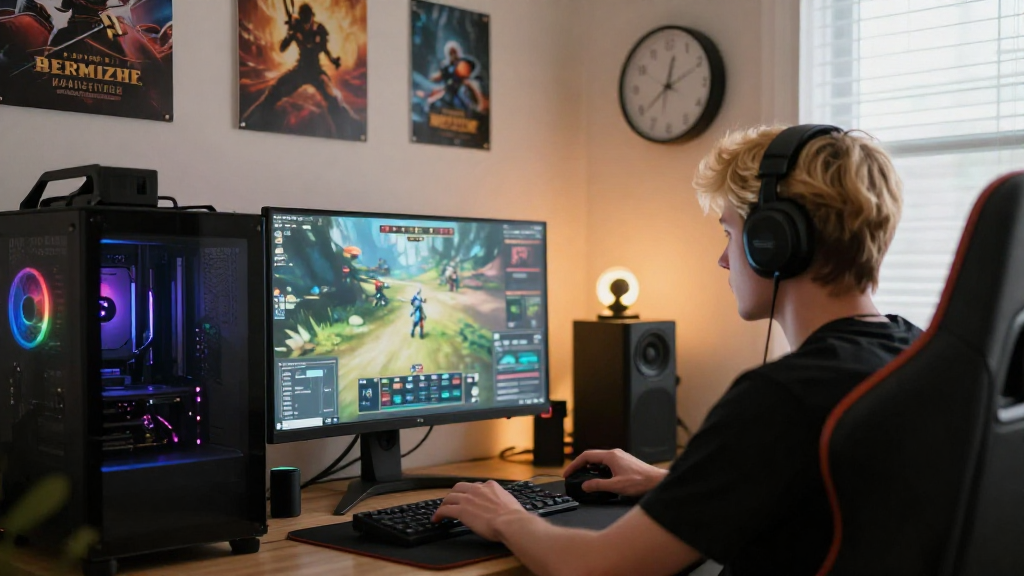
In the world of gaming, enthusiasts often wonder how gamers build habits that enhance their gameplay and overall experience.
This article explores the methods and strategies that gamers employ to cultivate long-lasting habits, ultimately leading to improved performance and personal satisfaction.
What are the Key Elements of Habit Formation in Gaming?
Understanding how gamers build habits hinges on the core principles of habit formation. Gamers often utilize these elements to create routines and practices that benefit their performance:
-
Cue: This is the trigger that initiates the habit. For gamers, it might be the moment they turn on their console or log into a gaming platform.
-
Routine: Once the cue is activated, the routine follows. This could involve engaging in specific gameplay styles, strategies, or even social interactions.
-
Reward: After completing the routine, achieving a certain goal provides satisfaction, reinforcing the habit. In gaming, rewards can range from leveling up to unlocking achievements.
By ingraining these elements into their gaming lifestyle, players develop disciplined habits that extend beyond the screen.
How Do Gamers Choose What Habits to Build?
The first step in understanding how gamers build habits is realizing that they choose habits based on personal goals and preferences.
1. Assessing Goals
Gamers often start by defining what they want to achieve. This can include:
- Improving skills in a particular game
- Achieving a higher rank in competitive play
- Mastering specific in-game mechanics
2. Leveraging Community Insights
Another way gamers build habits is by tapping into communities through forums, social media, or live streams.
They observe how successful players operate, gaining insights into effective techniques and routines.
3. Experimentation
Trial and error shapes a gamer’s habits.
By testing different approaches, players discover what works best for them, gradually forming routines that align with their skill levels and gaming approaches.
Why are Consistency and Persistence Important?
A crucial factor in how gamers build habits is the importance of consistency and persistence.
Gamers understand that forming habits is not a one-time effort but requires dedication over time.
Benefits of Being Consistent
- Skill Mastery: Regular practice solidifies skills, leading to improved gameplay.
- Familiarity: Frequent engagement in specific habits makes players more comfortable with mechanics, contributing to better decisions and strategy execution.
- Increased Motivation: Seeing progress boosts a player’s motivation to stick with their habits.
Overcoming Challenges
Gamers also face obstacles that may interrupt their routine—
recognizing these challenges and employing strategies to overcome them is key.
- Time Management: Balancing gaming with real-life responsibilities can be tough.
- Fixed gaming schedules can help.
-
Setting manageable goal frames ensures progress doesn’t overwhelm other responsibilities.
-
Burnout: Repetitive gaming can lead to fatigue and loss of interest.
- Taking breaks and varying gaming experiences helps prevent burnout.
- Players often diversify the types of games they play—switching between genres or trying single-player vs. multiplayer games.
What Strategies Help Gamers Build Long-Term Habits?
Gamers utilize various strategies to establish long-lasting habits that contribute to their effectiveness and enjoyment of the game.
1. Setting SMART Goals
SMART goals are Specific, Measurable, Achievable, Relevant, and Time-bound.
By defining clear objectives, gamers can focus their efforts effectively. For example:
- Specific: “I want to reach rank Platinum.”
- Measurable: “I will track my wins per session.”
- Achievable: “I will set aside 5 hours a week dedicated to practice.”
- Relevant: “This goal aligns with my long-term aspiration to be a top player.”
- Time-bound: “I plan to achieve this within three months.”
2. Creating a Ritual or Routine
Many gamers adhere to pre-gaming rituals that mentally prepare them for gameplay. This could involve:
- Warming up with less intense games or practice modes.
- Engaging in physical or mental exercises to enhance focus.
Having a ritual shapes the gaming session’s context and mentally cues them to shift into the right mindset.
3. Utilizing Technology
Gamers often harness technology to assist in building habits. Some popular tools include:
- Gaming Apps: Applications that help track progress, set goals, and measure time spent.
- Streaming Platforms: Viewing others play can spark enthusiasm and provide insights into new techniques.
- Forums and Social Media: Engaging in communities allows for shared knowledge and motivation.
How Do Successful Gamers Reinforce Their Habits?
For many successful gamers, reinforcing established habits is essential in beyond just gameplay.
1. Reflection and Evaluation
Gamers frequently take the time to assess their gameplay. They ask questions like:
- “What went well this session?”
- “Where did I struggle?”
Evaluating progress enables them to adapt their methods and focus on areas that need improvement.
2. Celebrating Milestones
Rewarding oneself is a motivational technique common among gamers.
After achieving a significant goal, they might:
- Treat themselves to a new game
- Share their accomplishments with their community
- Reward themselves with gaming time or a special in-game reward
3. Social Accountability
Many gamers find strength in community.
Joining teams or squads fosters a sense of belonging and accountability.
Players know their teammates rely on them, motivating them to stay committed to their habits.
Conclusion: What Are the Results of Building Good Habits?
Ultimately, understanding how gamers build habits leads to numerous benefits. Not only do these habits improve gaming skills, but they also enhance life management skills such as discipline, focus, and persistence.
By utilizing various strategies, gamers can cultivate healthy routines that positively impact their gaming experiences.
In summary, the journey to establish effective habits is an evolving process driven by personal goals, community engagement, and self-awareness.
As gamers continue to refine their approaches, the potential for both in-game success and personal growth remains limitless.