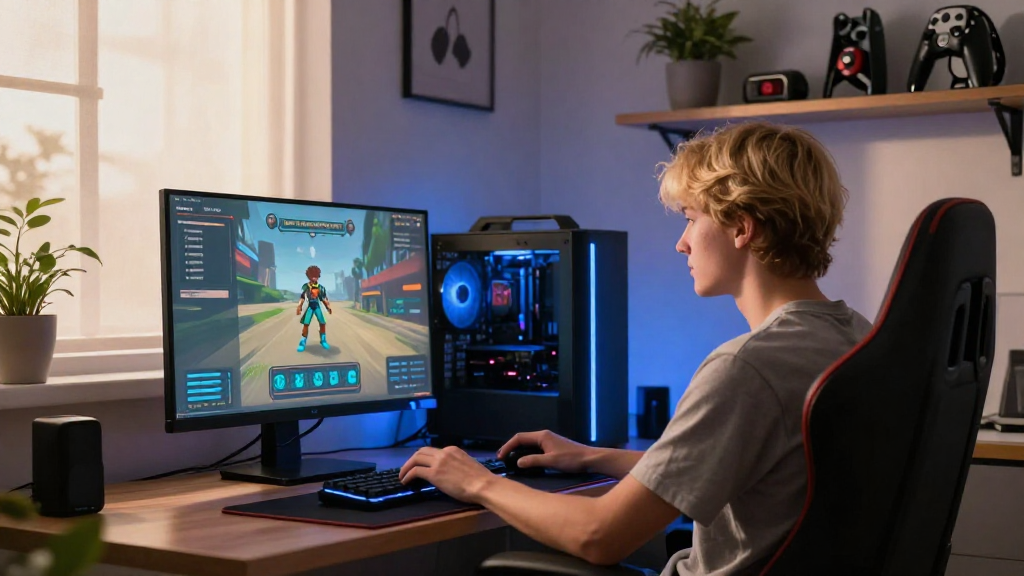
Gamers and non-gamers alike often wonder about the benefits that gaming can bring to various aspects of life.
One intriguing area is how gaming and self-assessment intersect.
In this article, we will explore how gaming may enhance self-awareness and personal development.
What Is Self-Assessment, and Why Is It Important?
Self-assessment is the process of evaluating one’s own skills, abilities, and performance.
This reflective activity is crucial for personal growth in various domains, including education, career, and emotional well-being.
Benefits of self-assessment include:
- Increased self-awareness: Knowing your strengths and weaknesses fosters growth.
- Goal setting: Identifying areas that need improvement can help set realistic, achievable goals.
- Enhanced problem-solving: Reflecting on past experiences leads to better decision-making in the future.
As we delve into how gaming can facilitate this process, we will focus on various gaming environments and experiences that provide tools and frameworks for effective self-assessment.
How Can Gaming Foster Self-Awareness?
The connection between gaming and self-assessment lies largely in the immersive experiences that games can provide.
Many games require players to engage in critical thinking and problem-solving, which can indirectly promote self-assessment.
Interactive Environments
Games often create interactive environments where players:
- Encounter challenges that test their abilities and persistence.
- Receive immediate feedback on their performance, allowing them to adjust their strategies in real-time.
This process mirrors traditional self-assessment methods, which focus on analyzing one’s performance critically.
Emotional Exploration
Many narrative-driven games include deep stories that allow players to explore complex emotions and moral dilemmas.
Such scenarios encourage players to reflect on their own feelings and decisions.
For example, through character choices in games like Life is Strange or The Last of Us, players often assess their values and ethics, which enhances self-awareness.
In these situations, gaming and self-assessment unite seamlessly.
Can Gaming Improve Problem-Solving Skills?
Self-assessment isn’t just about recognizing one’s current state; it also involves improving upon it.
Certain video games can sharpen problem-solving skills, which directly impacts the ability to assess oneself critically.
Puzzle and Strategy Games
Games that focus on puzzles or strategy, such as Portal and Civilization, often require high-level analytical thinking.
Engaging with these types of games can:
- Enhance cognitive flexibility: Players learn to adapt their strategies based on evolving challenges.
- Boost creativity: Problem-solving in gaming often requires thinking outside the box.
Real-Time Decision Making
In competitive games like League of Legends or Dota 2, players face real-time decisions.
The fast-paced nature of these games forces players to:
- Evaluate their skills under pressure.
- Reflect on outcomes to refine their strategies in future games.
This ongoing cycle of evaluation and adjustment strengthens one’s ability to self-assess more effectively.
Are There Risks to Using Gaming for Self-Assessment?
While there are numerous advantages to using gaming as a tool for self-assessment, it’s essential to acknowledge potential concerns as well.
Addiction and Escapism
Some players may use gaming as a means to escape real-life problems rather than to engage in constructive self-assessment.
Signs of unhealthy gaming include:
- Neglecting personal responsibilities.
- Using gaming as a primary coping mechanism for stress or anxiety.
Misleading Feedback
The feedback from games can sometimes be misleading.
For instance, a player may excel in a game environment due to factors like:
- Inaccurate representation of real-life skills.
- Influence of game mechanics that do not translate to everyday decision-making or problem-solving abilities.
Being aware of these risks is essential for ensuring that gaming remains a productive tool for self-assessment.
How Can You Use Gaming for Effective Self-Assessment?
To harness the power of gaming and self-assessment, consider these strategies:
Choose the Right Games
Select games that align with your self-assessment goals. Look for titles that require:
- Critical thinking
- Emotional engagement
- Strategic planning
Reflect on Your Experiences
After playing, take time to reflect on your gameplay experience. Consider questions like:
- What skills did I learn or improve?
- How did I respond to challenges?
- What would I do differently next time?
Journal Your Insights
Maintain a gaming journal to document reflections from your gameplay.
This resource can serve as a valuable tool for later self-assessment.
Journaling can help one track changes in:
- Skills
- Emotional responses
- Strategic choices
Engage with Others
Share your gaming experiences and insights with friends or gaming communities.
Engaging in discussion can provide different perspectives, enriching your self-assessment process.
What Are Some Games That Encourage Self-Assessment?
A selection of recommended games that can aid in this journey includes:
- Journey: Ideal for emotional exploration and self-reflection.
- Undertale: Offers moral dilemmas that challenge personal values.
- Shadow of the Colossus: Focuses on strategic planning and critical thinking.
- Celeste: Valuable for resilience and understanding personal limits.
These titles create an experience where gaming and self-assessment go hand in hand, cultivating an environment for growth.
Conclusion: Is Gaming a Good Avenue for Self-Assessment?
The effects of gaming on self-assessment can be significant, offering players opportunities to enhance their self-awareness and problem-solving skills.
By choosing the right games, reflecting on experiences, and documenting insights, players can use gaming as a powerful tool in their personal development toolbox.
Ultimately, gaming is just one avenue among many for self-assessment.
When balanced appropriately, it can provide unique perspectives and experiences that may aid in personal growth journeys.
So the next time you pick up a controller, consider how your gaming adventures might help you navigate the intricate world of self-assessment.