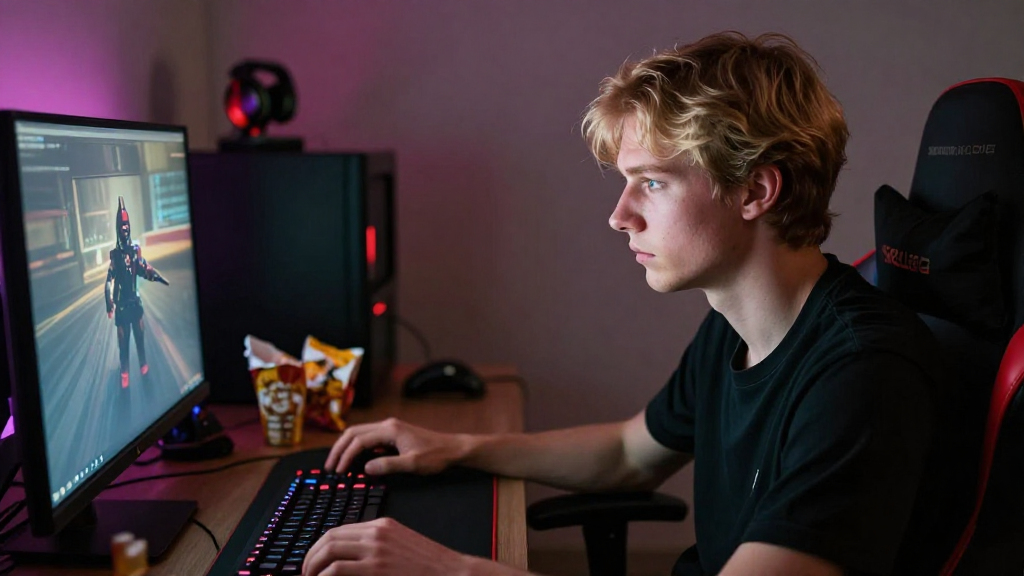
Does gaming cause performance anxiety?
This question has been at the forefront of discussions regarding the mental health implications of video gaming.
Understanding the relationship between gaming and performance anxiety is essential for gamers, parents, and mental health professionals alike.
What is Performance Anxiety?
Performance anxiety refers to the intense apprehension or trepidation that individuals feel before or during an event where they expect to perform.
This can manifest in various settings, including public speaking, sports, and even video gaming.
Symptoms of performance anxiety may include:
- Sweating
- Trembling
- Rapid heartbeat
- Difficulty focusing
- Self-doubt
While performance anxiety is often discussed in relation to live performances or competitive activities, it increasingly affects gamers—especially during competitive gaming or high-stakes matches.
How Does Gaming Impact Performance Anxiety?
There is a nuanced connection between gaming and performance anxiety.
For many, gaming serves as an escape and a source of entertainment.
However, competitive gaming, such as eSports, can incite stress and anxiety, particularly among young players.
The expectations placed on gamers can contribute to heightened anxiety levels. Players often feel pressure to perform at their best to achieve high rankings or win tournaments.
Is Competition a Major Factor?
Competition is a significant factor in understanding how gaming and performance anxiety relate to one another.
As players strive to improve their skills and climb the ranks, the following aspects may contribute to performance anxiety:
- Expectations from peers or family
- Self-imposed pressure to succeed
- Desire for recognition or rewards
- Fear of failure
In competitive environments, this pressure can trigger intense anxiety.
Players may become overly concerned about making mistakes, which can hinder their performance even further.
Are Certain Games More Likely to Induce Anxiety?
Not all gaming experiences trigger performance anxiety to the same extent.
Certain genres and game modes can exacerbate stress levels.
Here are some categories that may heighten anxiety:
- Competitive Multiplayer Games (like League of Legends or Counter-Strike)
These games require quick reflexes, strategic thinking, and teamwork. The need to outperform others can create significant anxiety.
- Skill-Based Games (like Dark Souls or Sekiro: Shadows Die Twice)
Players are often tested on their skill level, leading to frustration and pressure to improve.
- Survival Horror Games (like Resident Evil or Outlast)
The fear and immersion in these games can induce anxiety, especially when gamers fear losing their progress.
How Can Gaming Lead to Anxiety Disorders?
Consistency in experiencing performance anxiety during gaming may lead to more severe anxiety disorders.
Gamers may develop a cycle of anxiety, causing them to avoid playing altogether or becoming overly reliant on gaming as a coping mechanism.
Some potential pathways include:
-
Constant Exposure to Stress:
Continuous engagement in competitive gaming can lead to chronic stress. -
Fear of Judgment:
Gamers often fear being judged by peers based on their performance, magnifying anxiety. -
Social Isolation:
Excessive gaming can lead to neglect of social activities, reinforcing feelings of loneliness and anxiety. -
Negative Self-Talk:
Gamers may develop an internal dialogue filled with self-criticism, further exacerbating anxiety.
What Are the Signs of Gaming-Related Performance Anxiety?
Recognizing the signs of gaming and performance anxiety is crucial for early intervention.
Some indicators of performance anxiety may include:
- Avoidance of gaming altogether
- Increased irritability or mood swings
- Difficulty focusing on gameplay
- Obsessive thoughts about past mistakes
- Physical symptoms like headaches or stomachaches
If these symptoms are evident, it may be time to address the root of the stress and anxiety.
How Can Gamers Manage Performance Anxiety?
Managing performance anxiety related to gaming is essential for maintaining mental well-being.
Here are some effective strategies:
1. Take Breaks
Frequent breaks while gaming can help reset your mental state.
Consider implementing the following:
- 5-10 minute break for every hour of play
- Engage in physical activities or relax with mindfulness exercises
2. Focus on Enjoyment Over Competition
Shift your mindset to prioritize enjoyment rather than winning.
Seek out single-player modes or casual games to reduce pressure:
- Explore narrative-driven games
- Engage in creative gaming experiences, like building in Minecraft
3. Set Realistic Goals
Setting manageable gaming goals can reduce anxiety.
Instead of aiming for the top rank, focus on gradual improvements.
4. Practice Mindfulness and Relaxation Techniques
Incorporating mindfulness practices can help:
- Meditation
- Deep breathing exercises
- Progressive muscle relaxation
5. Seek Social Support
Talking to friends or online communities about gaming-related anxiety can alleviate some pressure.
Sharing experiences helps normalize these feelings, emphasizing that others face similar challenges.
6. Professional Help
If anxiety becomes overwhelming, consider seeking professional counseling.
Cognitive-behavioral therapy (CBT) can be particularly effective in treating performance anxiety.
Therapists can provide tools to manage your anxiety and improve coping strategies.
Conclusion: Navigating Gaming and Performance Anxiety
In summary, gaming can indeed lead to performance anxiety, particularly within competitive environments.
Recognizing the signs and developing healthy coping strategies can make a significant difference in how anxiety affects your gaming experience.
By understanding the relationship between gaming and performance anxiety, players can find balance and enjoy the positive aspects of gaming without being hindered by stress.
Embrace gaming as a fun and engaging activity, while remaining mindful of the psychological impact it can have.
Taking proactive steps to manage anxiety will ensure that both casual and competitive gamers can enjoy the best of what the gaming world has to offer.