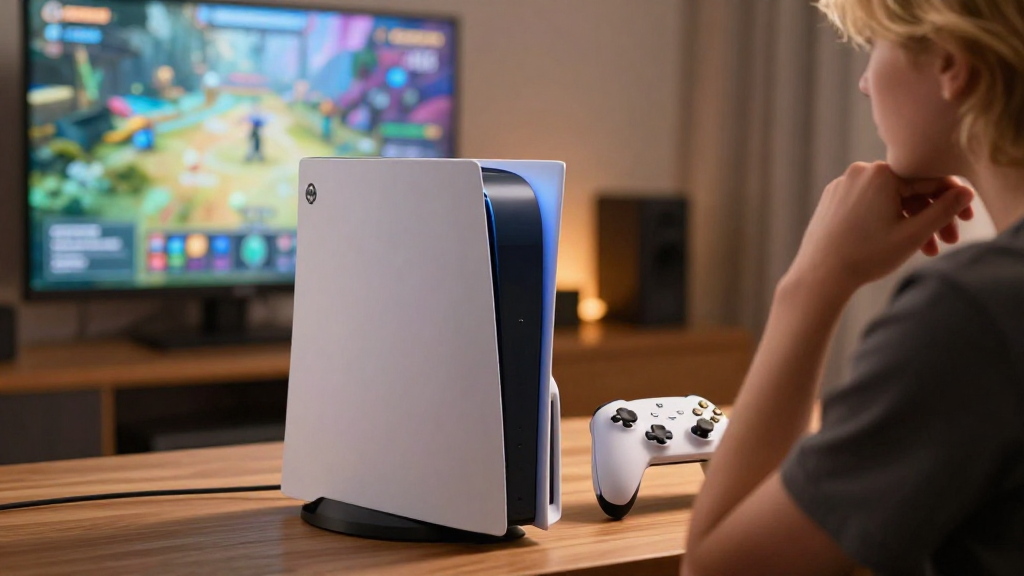
In today’s digital age, the intersection of gaming and learning feedback has become a focal point for educators and developers alike.
As we explore this fascinating relationship, we’ll uncover how games serve as powerful tools for delivering feedback that enhances the learning process.
What is Feedback Learning in Gaming?
Feedback learning is the process through which players receive critical information about their performance, enabling them to make adjustments and improve their skills.
In the realm of gaming and learning feedback, this mechanism is at the core of many educational and skill-building games.
Why is Feedback Important in Games?
-
Immediate Responses: One of the most compelling aspects of games is the instant feedback they provide.
– Players receive real-time evaluations of their actions, which helps them understand what works and what doesn’t. -
Motivation and Engagement: Feedback keeps players engaged.
– Understood as a dynamic loop, positive feedback can motivate players to continue progressing through a game, while constructive criticism can encourage improvement. -
Skill Development: Games are designed to challenge players and push their limits.
– Feedback enables learners to develop skills in a structured manner, allowing them to gradually progress from novice to expert.
How Do Games Provide Feedback?
What Types of Feedback are Found in Games?
Games commonly utilize several types of feedback to enhance learning.
Some of these include:
- Visual Feedback:
-
Achievements like points, levels, or visual changes in the game’s environment signal player success.
-
Auditory Feedback:
-
Sounds, music, or voiceovers can offer immediate confirmation of a player’s actions.
-
Textual Feedback:
- Messages or prompts inform players about the consequences of their actions, offering guidance for improvement.
Each type plays a critical role in maintaining engagement and driving learning outcomes in gaming and learning feedback environments.
How is Feedback Incorporated into Gameplay?
Feedback isn’t just a byproduct of gaming; it’s intricately woven into the fabric of gameplay mechanics.
Here’s how:
-
Progressive Difficulty Levels:
– Many games adapt to the player’s skill level, ensuring that the challenges remain engaging.
– Feedback about performance encourages players to elevate their skills to conquer harder levels. -
Challenge and Achievements:
– Completing tasks or challenges often leads to recognition in the form of badges or scores.
– This acknowledgment acts as constructive feedback, showing players they are progressing. -
Real-time Statistics and Analytics:
– Many educational games provide stats on player performance, such as accuracy rates and completion times.
– This information can be used to adjust learning strategies.
How Can Gaming and Learning Feedback Enhance Education?
What are the Benefits of Using Games in Education?
Incorporating games into educational settings yields numerous benefits.
Here are some vital advantages:
- Boosts Retention Rates:
-
The interactive nature of games enhances retention levels, helping students to internalize knowledge more effectively.
-
Encourages Collaborative Learning:
-
Multiplayer games can foster teamwork and communication among learners, enhancing cognitive and social skills.
-
Develops Critical Thinking Skills:
- Many games require strategic planning and problem-solving, engaging learners in higher-order thinking.
What are Popular Games that Utilize Feedback Learning?
There are a multitude of games designed specifically to incorporate feedback learning principles.
Popular examples include:
- Duolingo:
-
This language-learning app utilizes point systems and immediate corrections to reinforce learning.
-
Kahoot!:
-
An interactive quiz platform that provides instant feedback, stimulating healthy competition and engagement.
-
Minecraft: Education Edition:
- Uses a sandbox approach to learning, where feedback about building and exploration helps learners grow creatively.
How to Implement Games for Effective Feedback Learning?
-
Identify Learning Goals:
– Understand what skills or knowledge the game should reinforce. -
Select Appropriate Games:
– Choose games that align with learning objectives and provide structured feedback mechanisms. -
Create an Engaging Learning Environment:
– Incorporate technology and tools that enhance game-based learning opportunities. -
Monitor Progress:
– Use feedback data to assess each learner’s progress. Adjust instructional methods as needed to support individual growth. -
Encourage Reflection:
– Prompt learners to reflect on their gameplay experiences.
– Encourage them to consider feedback received and how it can enhance their understanding or skills.
How to Measure the Impact of Gaming and Learning Feedback?
What Metrics Should Be Considered?
When evaluating the effectiveness of games in providing gaming and learning feedback, consider the following metrics:
- Engagement Levels:
-
Monitor the time learners spend on educational games; higher engagement often correlates with better learning outcomes.
-
Skill Improvements:
-
Measure changes in learners’ skills or knowledge over time. Use pre-and post-assessments to gather data.
-
User Feedback:
- Collect direct feedback from players on their learning experiences and the usefulness of the feedback they received.
Conclusion: The Future of Gaming and Learning Feedback
As we dive deeper into the world of gaming and learning feedback, it becomes evident that the potential for education is limitless.
Games provide unique opportunities for learners to receive instant and relevant feedback, fostering an environment where skills can be developed efficiently.
Embracing gaming as a viable educational tool not only enhances student engagement but also promotes a culture of ongoing learning.
With each new game developed, we step closer to a future where gaming and learning feedback are seamlessly integrated into our educational systems, shaping the way we learn and grow.