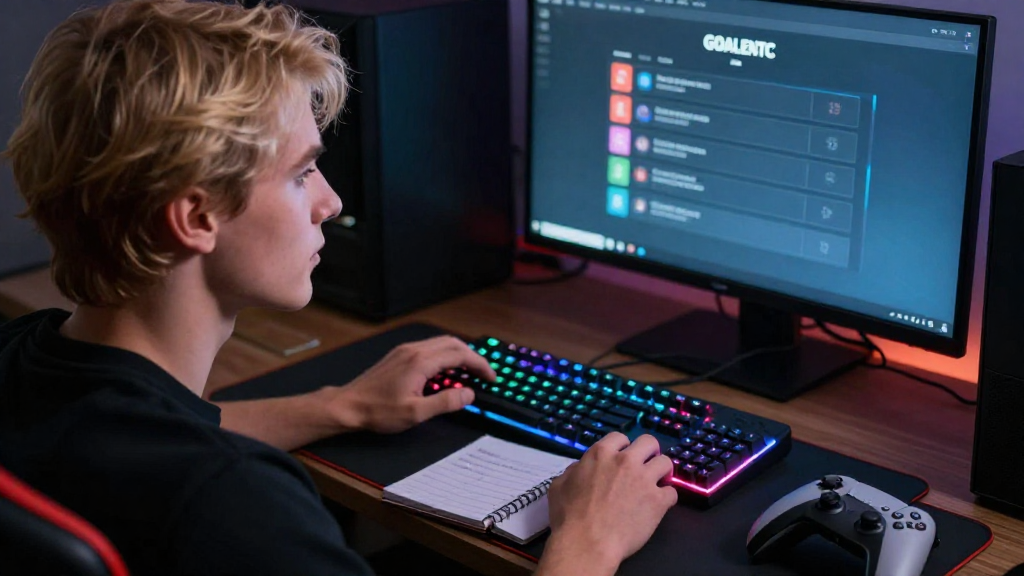
In today’s digital age, the intersection of gaming and goal setting is becoming increasingly significant.
As more individuals engage with video games, they inadvertently cultivate skills that are essential for effective goal setting in real life. But how exactly does this happen?
How Does Gaming Promote Goal Setting Skills?
At its core, gaming requires players to constantly adapt, strategize, and pursue objectives, which can directly enhance their ability to set and achieve personal goals.
Here are several ways in which gaming can contribute to improved goal setting skills:
-
Clear Objectives:
– Most games have well-defined goals that players must achieve, such as completing a level or defeating a boss.
– This clarity can help players understand the importance of having specific, measurable goals in real life. -
Progress Tracking:
– Many games utilize progress bars, skill trees, and achievements to show players how far they’ve come.
– This mirrors the process of tracking personal goals, reinforcing the idea that progress can be monitored and celebrated. -
Instant Feedback:
– In gaming, players often receive immediate feedback on their decisions, allowing them to learn from mistakes quickly.
– This element of instant feedback teaches individuals the importance of reflection and adjustment in goal setting. -
Challenge and Reward System:
– Games frequently include a challenge-reward dynamic where players are incentivized to complete difficult tasks in order to earn rewards.
– This motivates players to push their boundaries in real life, leading to enhanced goal-setting behavior. -
Strategic Planning:
– Many games require players to develop a strategy to reach their objectives effectively.
– This strategic planning can transfer to real-world scenarios, promoting critical thinking and foresight when setting personal goals.
Can Different Types of Games Impact Goal Setting Skills Differently?
The type of game played may largely influence how effectively a player develops their goal-setting skills. Here’s a brief breakdown of various game genres:
- Role-Playing Games (RPGs):
- RPGs often involve character progression and storyline arcs that require players to set and complete personal objectives.
-
This promotes long-term planning and project management skills.
-
Puzzle Games:
- These require problem-solving abilities and often involve setting immediate and short-term goals to progress through challenges.
-
Players learn to break down larger objectives into smaller, actionable tasks.
-
Simulation Games:
- Simulation games like “The Sims” or “Cities: Skylines” allow for managing resources and making long-range plans.
-
This mirrors real-life scenarios where planning and resource management are key to achieving goals.
-
Action and Adventure Games:
- Many of these games demand quick thinking and rapid goal adjustments based on game situations.
- Players become adept at setting flexible goals, making them more resilient in real-life goal setting.
What Skills Can Be Developed Through Gaming and Goal Setting?
Engaging with games can develop a variety of skills that enhance goal setting. Here are some key skills players can improve:
- Time Management:
-
Players often have limited time to achieve objectives, teaching them how to prioritize tasks effectively.
-
Decision-Making:
-
Games require players to make strategic choices, which translates well into real-world situations that demand judgment.
-
Teamwork and Collaboration:
-
Multiplayer games teach players how to set collective goals and work towards them in teams.
-
Adaptability:
- Players frequently face changing variables within games, fostering their ability to adapt goals as circumstances evolve.
Can Gaming Help in Professional Goal Setting?
Absolutely! The skills developed through gaming and goal setting are transferable to professional environments.
Here’s how:
-
Project Management:
– Many roles require clear objectives and timelines. Gaming experience can help professionals implement these structures. -
Performance Metrics:
– Just as games track player performance, professionals can set KPI (Key Performance Indicator) metrics in their work.
– Gaming teaches the fundamental principles of measuring success and making adjustments. -
Work-life Balance:
– Through careful goal setting, gamers learn the importance of balance and can apply these lessons to their professional lives. -
Motivation and Inspiration:
– Individuals who game may find inspiration in their gameplay to seek personal growth in their careers.
– The desire to achieve in-game rewards can mirror the desire for professional accolades.
Are There Any Drawbacks to Relying on Gaming for Goal Setting?
While gaming offers numerous benefits for goal setting skills, it’s essential to recognize potential drawbacks:
- Overemphasis on Rewards:
-
Players might become accustomed to instant gratification, which may not translate well to the longer pursuit of real-life goals.
-
Escapism:
-
Some individuals may use gaming as a way to escape real-life challenges rather than addressing them.
-
Time Management Issues:
- If not managed correctly, excessive gaming can detract from time spent on real-world goal achievement.
How Can Players Apply Gaming Lessons to Real-World Goals?
To maximize the benefits from gaming and goal setting, here are some actionable steps:
-
Set Realistic Goals:
– Start with goals that are achievable but challenging, just like in games. -
Track Your Progress:
– Use apps or journals to monitor advancement towards your goals, similar to how games track performance. -
Learn from Setbacks:
– Reflect on failures and adjust your strategy accordingly, just as a gamer would after losing a level. -
Celebrate Victory:
– Acknowledge milestones and achievements along the way, reinforcing positive behaviors. -
Collaborate with Others:
– Seek out support from friends or colleagues. Teamwork can amplify goal achievement much like in multiplayer games.
Conclusion: Is Gaming a Viable Tool for Enhancing Goal Setting Skills?
In summary, gaming and goal setting share a complementary relationship that can significantly boost an individual’s ability to set and achieve their goals.
Through clear objectives, instant feedback, and the scrum of strategic planning, players cultivate skills that are essential in the real world.
While it’s essential to be mindful of potential drawbacks, when approached wisely, gaming can be a powerful ally in the journey of personal development and goal achievement.
So grab your controller or mouse, and remember, every game you play is another opportunity to refine those goal-setting skills!