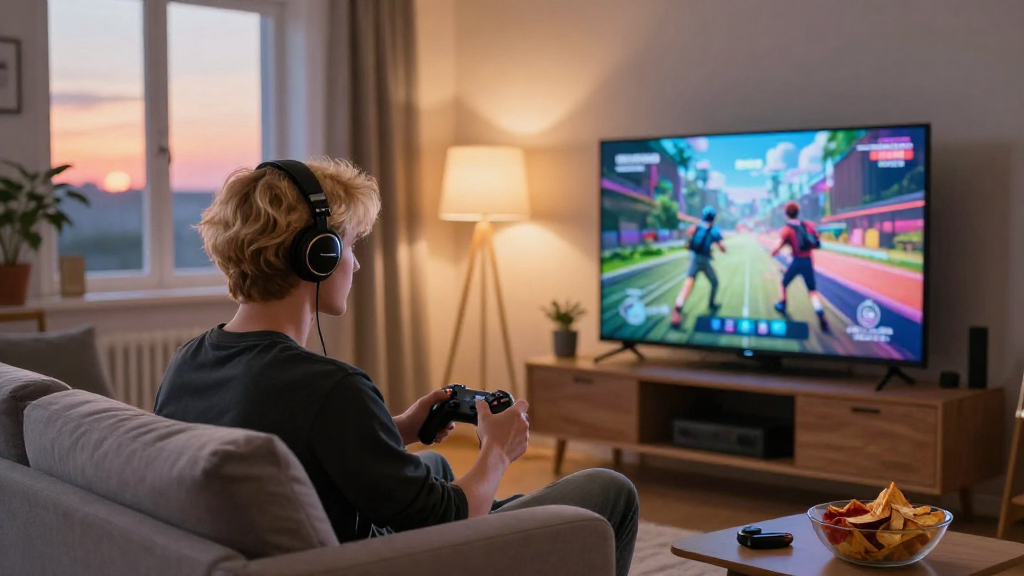
Gaming and behavioral adaptation are intertwined, exhibiting how video games can contribute significantly to our ability to adjust to new situations and challenges.
What is Gaming and Behavioral Adaptation?
At its core, gaming and behavioral adaptation refers to the ability to modify our responses based on various gaming scenarios.
In simple terms, when players engage in video games, they frequently encounter obstacles—ranging from enemies to puzzles—that require quick thinking and strategic planning.
Here are a few ways gaming promotes behavioral adaptation:
- Problem Solving: Players learn to approach problems from multiple angles.
- Flexibility: Adjusting strategies based on game scenarios builds flexibility in thinking.
- Decision Making: Quick decisions based on in-game situations enhance overall decision-making skills.
How Does Gaming Foster Problem-Solving Skills?
One essential aspect of gaming and behavioral adaptation is the emphasis on problem-solving.
Whether it’s solving an intricate puzzle in a role-playing game (RPG) or figuring out how to navigate a challenging platforming level, players must think critically.
The steps involved in this process often include:
- Analyzing the Problem: Players identify the core challenge.
- Exploring Solutions: They brainstorm and test various methods to tackle the obstacle.
- Learning from Mistakes: Failure is common in gaming. Each setback provides valuable lessons.
This iterative process of engaging with challenges encourages players to become more resilient, both in and outside the gaming environment.
Can Gaming Improve Flexibility in Thinking?
Absolutely. Gaming encourages behavioral adaptation by promoting cognitive flexibility.
Cognitive flexibility is the ability to switch between different concepts and viewpoints easily.
This flexibility is fostered through various gaming experiences:
- Multiple Strategies: Many games require players to adapt their strategies based on opponents’ actions.
- Dynamic Environments: Open-world games, for example, present ever-changing scenarios that demand quick adjustments.
- Group Dynamics: Multiplayer and co-op games necessitate adapting to the playstyles and strengths of teammates.
Real-Life Examples:
Consider games like “Overwatch” or “League of Legends.”
Players routinely change their tactics during matches, adapting to the evolving battlefield.
Such experiences can be translated into real-world scenarios, enabling individuals to handle unpredictability with greater ease.
What Role Does Decision Making Play in Gaming?
Decision-making is a central theme in both gaming and behavioral adaptation.
In video games, players often face split-second decisions that can significantly affect the outcome of the game.
These decisions can help enhance the following skills:
- Critical Thinking: Players learn to assess situations quickly.
- Evaluating Consequences: Available choices and potential outcomes are weighed against one another.
- Risk Assessment: Players become adept at evaluating risk versus reward.
Illustrated Benefits:
Take a game like “The Witcher 3.”
Players can make choices that affect character outcomes and the game world.
This aspect of gameplay encourages players to think critically about their decisions and the impacts they will have, thereby honing real-life decision-making skills.
How Does Teamwork in Gaming Enhance Adaptation Skills?
Team-based games introduce another layer to gaming and behavioral adaptation.
Collaborative gameplay requires players to adapt their skills to work with others effectively.
Here’s how:
- Role Assignment: Team members often dedicate themselves to specific roles, necessitating adaptation to fit their team’s strategy.
- Communication Skills: Clear communication is vital for effective coordination, prompting players to adjust their dialogue and responses.
- Conflict Resolution: Disagreements can arise during gameplay, offering opportunities to practice conflict resolution skills.
Collaborative Learning:
From a societal perspective, players engaging in team-based games learn to adapt not just their gameplay, but also their interpersonal skills.
These interactions can translate into improved teamwork abilities in professional settings, education, and personal relationships.
Can Gaming Help in Handling Stress and Pressure?
Indeed, gaming and behavioral adaptation contribute to developing coping mechanisms for stress and high-pressure scenarios.
Many games are designed to challenge players, requiring them to manage stress effectively. Here are some ways gaming assists in this area:
- Time Management: Players often face time constraints that require quick yet thoughtful actions.
- Stress Management: Games can simulate stressful environments where players develop strategies to deal with anxiety.
- Emotional Regulation: Frequent gaming scenarios help players learn how to calm their nerves and maintain focus.
Useful Insights:
In games such as “Dark Souls,” players encounter situations that are designed to challenge their patience and resilience.
Through repeated attempts, players cultivate a mindset that enhances their ability to manage stress in real life.
Can Gaming Foster Creativity?
Gaming and behavioral adaptation can also foster creativity.
Players are often tasked with finding unique solutions to challenges, which encourages innovative thinking.
Here’s how gaming stimulates creativity:
- Environment Interaction: Players interact with diverse game environments, which prompts creative problem-solving.
- Storytelling: Many games involve rich narratives that inspire players to think creatively about storytelling and character development.
- Sandbox Gameplay: Open-ended games provide freedom for self-expression, allowing players to experiment with ideas without constraints.
Examples of Creative Games:
Games such as “Minecraft” or “LittleBigPlanet” empower players to create their worlds and challenge the status quo, leading to immense creative development.
Conclusion: Is Gaming a Viable Tool for Behavioral Adaptation?
In conclusion, gaming and behavioral adaptation is more than an exciting pastime; it is a robust platform for developing vital life skills.
From enhancing problem-solving and decision-making abilities to fostering teamwork and creativity, the advantages of gaming extend beyond the screen.
The skills acquired through gaming can lead to significant improvements in real-life situations, empowering individuals to navigate the complexities of the modern world more effectively.
So the next time you pick up a controller or start a new game, remember that you are not just having fun—you are also honing vital skills that aid in your overall adaptation to life’s challenges.