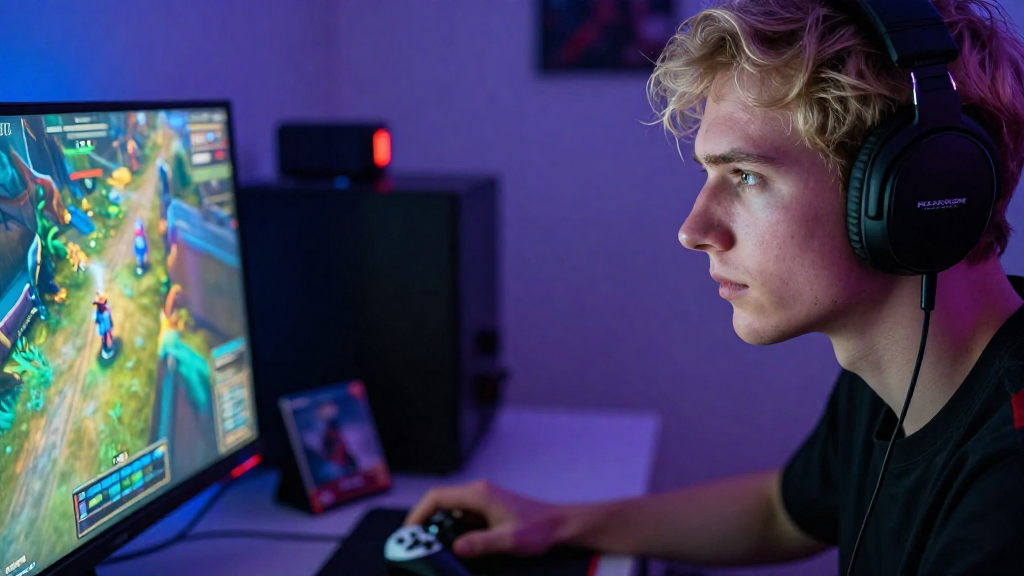
As gaming becomes increasingly popular, many parents, educators, and psychologists are asking: how does gaming affect attention span? This article dives deep into the relationship between gaming and attention span, examining both positive and negative aspects of gaming on our ability to focus.
What Is Attention Span, and Why Does It Matter?
Attention span refers to the length of time a person can concentrate on a task without becoming distracted.
In our fast-paced world, attention span is crucial as it influences productivity, learning, and even relationships.
Factors Affecting Attention Span
Several factors can impact our attention span:
-
Age: Children typically have shorter attention spans, which can expand with age and experience.
-
Environment: A noisy or chaotic environment can make it harder to focus.
-
Mental Health: Conditions like ADHD or anxiety can significantly affect attention span.
-
Digital Consumption: The nature of digital engagement, particularly through screens, can either hinder or enhance focusing ability.
Understanding these factors can illuminate how gaming might interact with other influences on attention span.
How Does Gaming Affect Attention Span?
When discussing gaming and attention span, it’s essential to recognize that not all gaming is created equal.
Different types of games can produce varied effects on our ability to focus.
Positive Effects of Gaming on Attention Span
Research has shown that certain types of gaming can have a positive influence on attention span:
- Improved Cognitive Flexibility:
– Games requiring players to switch between tasks, such as role-playing games (RPGs) or strategy games, can enhance cognitive flexibility.
- This ability to shift focus may extend to real-life tasks.
- Increased Visual Attention:
– Action games often require players to track multiple moving objects simultaneously.
- This can lead to improved visual attention – the capacity to concentrate on one aspect of the environment while screening out distractions.
- Enhanced Problem-Solving Skills:
– Many video games involve puzzles or strategic challenges.
- Engaging with these activities can foster critical thinking and problem-solving capabilities, indirectly affecting how players approach attention-demanding tasks.
How Can Gaming Lead to Decreased Attention Span?
On the flip side, there are substantial concerns when it comes to gaming and attention span:
- Shortened Attention Span:
– Fast-paced games can condition players to expect quick stimuli and resolutions.
- Over time, this can lead to difficulties in maintaining focus on slower, less stimulating tasks.
- Increased Distractibility:
– The ability to instantaneously switch between games, apps, or social media can make it harder for individuals to engage deeply with longer, uninterrupted tasks.
- This constant toggling can hinder attention sustainability.
- Potential for Addiction:
– Gaming can be addictive, and excessive playing can interfere with daily responsibilities and focus.
- When gaming consumes an individual’s free time, it can lead to neglecting other activities that require sustained attention.
Is There a Balance Between Gaming and Attention Span?
Finding a balance is key when it comes to gaming and attention span.
Here are some strategies to achieve that:
-
Set Time Limits: Designate specific hours or time slots for gaming to manage the amount of time spent on screens.
-
Choose Meaningful Games: Opt for games that require more strategic thinking and focus rather than those that promote impulsive behavior.
-
Engage in Mindfulness: Encourage practices such as mindfulness or meditation, which can enhance concentration skills and counteract negative effects.
-
Take Breaks: Regular breaks while gaming can help to reset attention levels, making it easier to refocus afterward.
-
Incorporate Physical Activity: Balance gaming with physical activities or hobbies that require prolonged focus, such as reading or sports.
Are There Age-Specific Effects on Attention Span?
Gaming and attention span effects can vary significantly across different age groups.
Children and Adolescents
For younger players, the concerns about attention span are particularly pronounced.
-
Observational Studies: Many studies indicate that high levels of gaming can correlate with increased risk of developing attention issues in children.
-
Behavioral Issues: Children exposed to excessive gaming often exhibit increased impulsivity and distractibility.
Adults
Conversely, adults may experience both positive and negative impacts from gaming:
-
Cognitive Benefits: Some adults may find that gaming helps to enhance their focus and problem-solving capabilities, especially in genres that require strategic planning.
-
Work-Life Balance: For busy adults, gaming can also serve as a major distraction from responsibilities, leading to procrastination and reduced productivity.
Conclusion: The Ongoing Conversation About Gaming and Attention Span
As we continue to explore the landscape of gaming and attention span, communication is vital.
Engaging in dialogue about the nature of gaming, its effects on attention, and how we can prompt healthier habits will ensure that players can reap the benefits without compromising their ability to focus.
Understanding the implications of gaming on attention spans will not only help gamers enjoy this popular pastime responsibly but also enable parents and educators to foster environments that promote healthy gaming habits.
Ultimately, although gaming can negatively impact attention spans, utilizing it thoughtfully can also nurture skills that enhance concentration.
As research develops and our understanding deepens, we’ll be better equipped to harness the power of gaming while maintaining a healthy attention span.