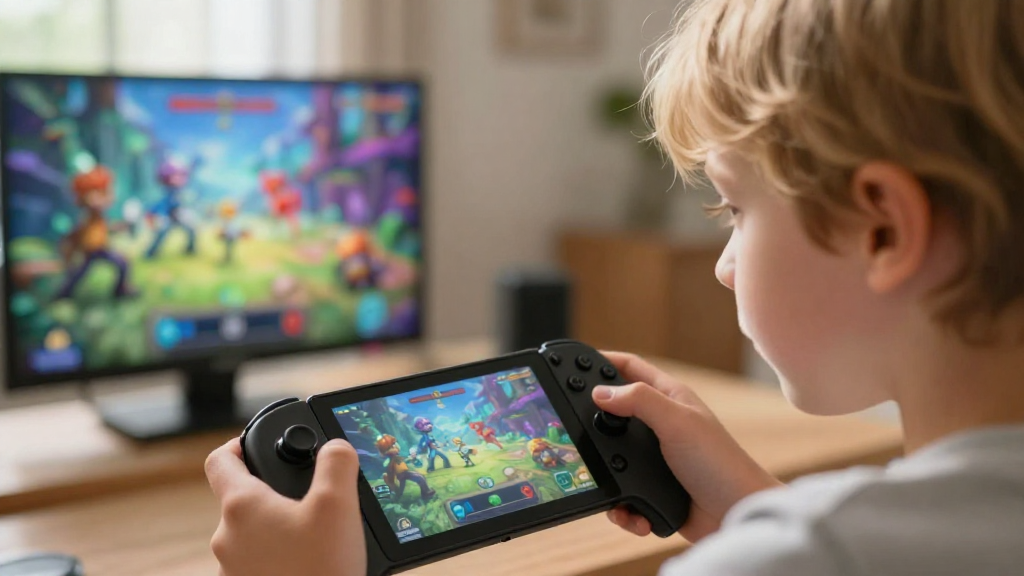
The intriguing question, do games teach cause and effect, has garnered significant interest among educators, parents, and gamers alike.
As the gaming industry continues to evolve, it has become essential to understand the educational potential of games beyond mere entertainment.
How Do Games Encourage Critical Thinking?
Games often place players in dynamic environments where their choices lead to direct outcomes.
This interaction fosters critical thinking skills by requiring players to evaluate their decisions and anticipate consequences.
For instance, in strategy-based games, users must:
- Analyze resources
- Formulate plans
- Adjust strategies
These activities iterate the cause and effect relationship as players witness how their decisions impact game progression.
Are There Specific Games That Illustrate This Concept?
Absolutely! Certain genres and titles stand out in their ability to teach players about cause and effect.
- Puzzle Games:
- Portal: Players manipulate portals to solve challenges, clearly demonstrating that specific actions lead to outcomes.
- Tetris: Decisions made regarding block placements directly influence game success.
- Simulation Games:
- SimCity: Players must manage urban development, showing how infrastructure and citizen happiness are interconnected.
- The Sims: Life simulations that highlight choices like career paths, relationships, and even daily activities and their outcomes.
- Role-Playing Games (RPGs):
- The Witcher Series: Players’ choices can lead to vastly different story outcomes, demonstrating the impact of their decisions.
- Mass Effect: The player’s choices affect relationships, story arcs, and game endings, showcasing long-term cause and effect.
Each of these games effectively illustrates how actions lead to particular responses within the game world, making them powerful tools for teaching this concept.
What Are the Educational Benefits of Understanding Cause and Effect Through Games?
Understanding cause and effect is crucial for decision-making within various aspects of life.
When games illustrate this relationship, they offer numerous educational benefits:
-
Enhanced Problem-Solving Skills: Players learn to assess situations critically and make informed decisions based on potential outcomes.
-
Improved Planning Abilities: Games requiring strategy encourage players to plan ahead, weighing options and anticipating results.
-
Real-World Applications: Skills learned in games can translate to real-life situations, teaching players how their actions can influence their environment or social interactions.
Additionally, this understanding can spark curiosity and deep comprehension in various subjects, such as:
- Physics: Understanding the effects of forces in physics-based games.
- History: Grasping historical decisions through strategy games revolving around significant events.
Do Games Teach Cause and Effect Across Different Age Groups?
Yes! Games cater to various age demographics, and the principles of cause and effect apply broadly.
- Children:
- Games designed for younger audiences, such as Minecraft or Animal Crossing, introduce players to consequences related to their actions, promoting foundational thinking skills.
- Teenagers:
- Teen-centric games often require deeper thinking and strategic planning, reinforcing the cause and effect principle significantly in complex settings.
- Adults:
- Strategy and simulation games help reinforce planning and critical thinking skills, providing lessons that can be applied to professional and personal life situations.
How Can Parents and Educators Use Games for Teaching?
Parents and educators can capitalize on the power of games to teach cause and effect in several ways:
-
Selection of Appropriate Games:
-
Choose games that emphasize decision-making and consequences.
-
Ensure the complexity of games matches the age and cognitive level of the players.
-
Encouraging Discussion:
-
After gameplay, prompt discussions about decisions made and their outcomes.
-
Ask players to reflect on how different choices might change the game’s direction.
-
Integrated Learning:
-
Combine gameplay with traditional learning resources.
- Use scenarios within games to develop lessons on critical thinking, history, or science.
Are There Risks When Relying on Games for Education?
While the benefits are substantial, it’s essential to manage certain risks when considering games as educational tools:
-
Excessive Screen Time:
-
Balancing gameplay with traditional educational methods is crucial to avoid screen addiction.
-
Misinterpretation:
-
Players may not always grasp the intended lesson. Ensure that there’s structure in how games are introduced and discussed.
-
Overemphasis on Fun:
-
Focus solely on entertainment can lead to a missed opportunity for learning. Ensure that educational objectives are transparent and structured.
Can Non-Game Activities Teach Cause and Effect?
Certainly! While games are effective, various non-game activities also teach the cause-and-effect relationship:
-
Science Experiments: Hands-on activities involving hypotheses and results exemplify cause and effect directly.
-
Storytelling: Utilizing narratives can illustrate how characters’ choices influence outcomes.
-
Board Games: Traditional games like Monopoly or Chess require strategic thinking, reflecting cause and effect in gameplay.
Incorporating a variety of methods complements game-based learning, ensuring a well-rounded educational experience.
What Research Says About Games and Learning?
Various studies have explored how games teach cause and effect, revealing various positive correlations.
- Cognitive Benefits: Research indicates that players develop improved cognitive skills through interactive gaming experiences.
- Engagement Levels: Studies show that students are often more motivated to learn when they can apply skills in a game setting.
- Transfer of Knowledge: Research suggests that skills learned in games can be transferred to real-world scenarios, reinforcing the importance of cause and effect.
Conclusion: Do Games Teach Cause and Effect?
In conclusion, the answer to do games teach cause and effect is a resounding yes!
Games provide engaging, interactive, and dynamic platforms for learning complex skills.
By understanding the impact of their choices, players not only develop critical thinking and decision-making skills but also prepare for real-life situations where cause and effect play a significant role.
To harness the educational potential of games:
- Select appropriate titles
- Encourage reflective discussions
- Integrate lessons from gaming into broader life skills.
Ultimately, when used correctly, games can be a powerful addition to the toolkit for learning and teaching vital concepts like cause and effect.