Built-in phone microphones are convenient, but they often capture distracting room noise, wind, and uneven speech. The best wireless microphones for smartphones put the mic closer to the speaker, helping videos, interviews, livestreams, and social clips sound clearer with less setup.
This roundup compares 10 wireless options for iPhone and Android users, including lightweight single-transmitter kits, two-mic packages, USB-C receivers, and models with noise reduction. Use the guide below to match features, compatibility, and recording needs to the right system.
Best 10 Wireless Microphones for Smartphones Picks for 2026
Best Long-Range Pick

- 9g transmitter and up to 1,000-foot line-of-sight range
- 48kHz/24-bit audio with adjustable noise cancellation
- Up to 30 hours with the charging case
Best For: Mobile creators who need range, compact size, and long battery life
Best for Automatic Audio Control
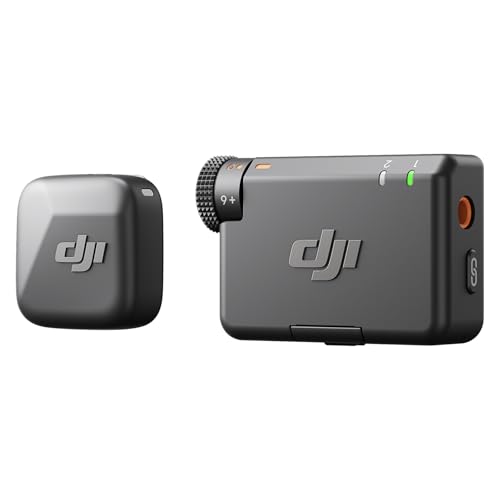
- 10g transmitter with 400m maximum transmission range
- Two-level noise cancellation and automatic limiting
- About 10 hours of transmitter and receiver operation
Best For: Vloggers and DJI users who want lightweight, protected audio
Best Two-Person Setup

- Two transmitters with a USB-C smartphone receiver
- Pre-paired operation with no app required
- Up to 21 hours via the charging case
Best For: Interviews and co-hosted videos on USB-C phones
Best Budget-Friendly Starter Kit

- Two clip-on microphones with Lightning and USB-C support
- Plug-and-play setup without an app
- Includes windscreens, clips, receiver, and charging cable
Best For: Beginners recording social content across different devices
Best Studio-Style Value

- 48kHz/24-bit audio with 120dB SPL handling
- Three-level noise cancellation and furry windshields
- Two transmitters with up to 200m stated range
Best For: Interviews, livestreams, and two-person smartphone videos
Best Plug-and-Play Kit

- Includes USB-C and Lightning adapters
- Two lavalier microphones with wind protection
- Up to six hours per charge with device charging support
Best For: Everyday creators using iPhone and Android devices
Best for Lightweight Control

- 5g transmitters with 48kHz/24-bit audio
- AI noise cancellation and app-based controls
- Up to 30 hours with case and 328ft stated range
Best For: USB-C mobile creators wanting discreet mics and safety features
Best Overall

- 48kHz/24-bit audio with adjustable noise cancellation
- Up to 40 hours with the charging case
- Works with phones, cameras, tablets, and computers
Best For: Creators wanting premium sound and flexible connectivity
Best USB-C Value

- Active denoise with original-sound and mute modes
- Two transmitters with useful wind-protection accessories
- 6–12 hours of transmitter use per charge
Best For: USB-C creators making vlogs, podcasts, and livestreams
Best Simple Two-Person Kit

- Automatic plug-and-play pairing without Bluetooth or apps
- Two microphones for interviews and dual-speaker videos
- Noise reduction, mute, and reverb modes
Best For: Beginners recording two-person smartphone content
Best Long-Range Pick – Hollyland Lark M2
The Hollyland Lark M2 is a strong option for creators seeking wireless microphones for smartphones with extended range, high-resolution audio, and a very small transmitter. Its USB-C receiver works with newer iPhones, Android phones, computers, and some cameras.
Best For: Filmmakers, vloggers, podcasters, and smartphone creators who need long transmission range and extended battery life.
Pros:
- Lightweight 9g transmitter with a claimed 1,000-foot line-of-sight range.
- 48kHz/24-bit audio, 70dB signal-to-noise ratio, and support for up to 115dB SPL.
- Up to 30 hours of total use with the charging case.
- One-click noise cancellation, automatic pairing, and app-based controls.
Cons:
- This listing uses a USB-C receiver, so Lightning-only iPhones require a different version or adapter.
- Noise cancellation and remote recording controls may require compatible phone behavior or the HollyAudio app.
Choose the Lark M2 when range, portability, and detailed recording matter most. Its feature set is particularly useful for mobile shoots where the speaker may move far from the phone.
Best for Automatic Audio Control – DJI Mic Mini
The DJI Mic Mini is a compact choice among wireless microphones for smartphones, combining a 10g transmitter with noise cancellation and automatic limiting. Its USB-C mobile adapter supports smartphone recording, while DJI OsmoAudio adds direct compatibility with select DJI devices.
Best For: Vloggers, interviewers, and DJI users who want lightweight equipment with safeguards against overly loud audio.
Pros:
- Small 10g transmitter designed to be discreet and comfortable on camera.
- 400m maximum transmission range and 48kHz audio capture.
- Two noise-cancellation levels for quieter or busier environments.
- Automatic limiting helps reduce clipping when input volume is too high.
Cons:
- This package includes one transmitter, making it less suited to two-person recordings.
- Some ecosystem features depend on compatible DJI devices.
The Mic Mini is a practical fit when reliable voice levels and simple noise control are more important than multi-person recording. Its included USB-C adapter makes it ready for compatible smartphones.
Best Two-Person Setup – RØDE Wireless Micro
The RØDE Wireless Micro is designed for creators who need wireless microphones for smartphones and want two transmitters in one compact kit. Its USB-C receiver connects directly to iPhone 15 and later models and Android USB-C devices, with no app or pairing process required.
Best For: Interviews, co-hosted videos, and two-person smartphone content recorded on USB-C phones.
Pros:
- Includes two microphones and a two-channel receiver for shared recordings.
- Pre-paired setup connects when the receiver is docked, with no app required.
- GainAssist automatically helps keep voice levels consistent.
- Charging case provides up to 21 hours of combined use and includes windshields.
Cons:
- USB-C phones only; it is not compatible with Lightning iPhones without the separate Lightning version.
- The compact system is intended for smartphone content rather than a broad range of connector types.
For two-speaker recordings, the Wireless Micro offers a straightforward setup and useful automatic level management. Confirm that your phone has USB-C before choosing this version.
Best Budget-Friendly Starter Kit – MAYBESTA Wireless Mini Mic
The MAYBESTA Wireless Mini Mic is an accessible starter option for wireless microphones for smartphones, with two clip-on microphones and receiver support for Lightning and USB-C devices. Its plug-and-play design is aimed at quick recording for social content, teaching, interviews, and livestreams.
Best For: Beginners and casual creators who need a simple two-microphone kit for multiple phone types.
Pros:
- Supports Android phones, iPhones, iPads, laptops, and tablets through Lightning or USB-C connections.
- Includes two lavalier microphones, a receiver, clips, windscreens, and a charging cable.
- No app or adapter setup is required when the appropriate receiver connector is used.
- Noise-reduction circuitry and windscreen accessories support clearer speech recording.
Cons:
- The supplied notes do not specify a wireless transmission distance or exact battery runtime.
- It has a 120-day refund policy and 18-month free replacement period rather than a longer stated warranty.
The MAYBESTA kit makes sense for first-time creators who value broad phone compatibility and a low-complexity setup. It is a practical choice for everyday clips, calls, and casual interviews.
Best Studio-Style Value – Hollyland Lark A1
The Hollyland Lark A1 is a strong pick among wireless microphones for smartphones when you want detailed audio, flexible noise control, and two transmitters for interviews or dual-person recordings. Its USB-C receiver connects directly to compatible phones without Bluetooth.
Best For: Creators recording interviews, livestreams, and videos in changing environments.
Pros:
- 48kHz/24-bit recording with support for loud sounds up to 120dB SPL.
- Three noise-cancellation levels plus included furry windshields.
- Two 8g magnetic transmitters and up to 200m of stated transmission range.
- Up to 18 hours using alternating transmitters, with longer total runtime from the charging-case model.
Cons:
- This listed version includes a USB-C receiver, so iPhone connector compatibility should be checked before buying.
- The receiver is powered by the connected mobile device.
Choose the Lark A1 if audio quality and two-person recording matter more than having the smallest possible setup. Its gain controls, limiter protection, EQ, and reverb adjustments add useful flexibility for creators who want more control over their sound.
Best Plug-and-Play Kit – Mini Mic Pro
The Mini Mic Pro is designed for shoppers who want wireless microphones for smartphones with a simple setup. It includes USB-C and Lightning adapters, two lavalier microphones, and a charging case, making it suitable for recording with different mobile devices.
Best For: TikTok creators, interviewers, and users switching between iPhone and Android devices.
Pros:
- USB-C and Lightning adapters support a broad range of phones, tablets, and laptops.
- Two microphones are included for interviews or two-person recordings.
- Noise reduction and included foam and deadcat wind protection help with outdoor use.
- Each charge provides up to six hours of recording, and the phone can be charged while using the mic.
Cons:
- The supplied specifications list a single channel.
- Its warranty and replacement coverage are shorter than some competing options.
This is a practical all-in-one choice when compatibility and convenience are priorities. It does not emphasize advanced audio controls, but the included adapters, dual lavalier mics, and protective accessories make it ready for everyday content creation.
Best for Lightweight Control – BOYA mini 2
The BOYA mini 2 is a compelling option among wireless microphones for smartphones if you want a discreet mic with app-based controls and long battery life. Its USB-C receiver is aimed at compatible Android and USB-C devices, while the 5g transmitters are designed to stay unobtrusive on clothing.
Best For: Vloggers, interviewers, and mobile creators who want lightweight microphones and adjustable recording safeguards.
Pros:
- 5g transmitters offer a compact, low-profile design.
- 48kHz/24-bit audio, 80dB signal-to-noise ratio, and 120dB SPL handling.
- Two-level AI noise cancellation, app control, EQ presets, and six-level gain adjustment.
- Up to 30 hours with the charging case and a stated 328ft transmission range.
Cons:
- This version uses a USB-C receiver and is not intended for Lightning devices.
- The notes list compatibility limitations with several action cameras and OnePlus devices.
- Wireless performance may be interrupted by walls, buildings, or other obstacles.
The BOYA mini 2 stands out for creators who value a barely noticeable mic and detailed control from a companion app. Its limiter and -12dB safety track are particularly useful when recording unpredictable voices or environments, provided your device is compatible.
Best Overall – Hollyland Lark M2
The Hollyland Lark M2 is a strong all-around choice among wireless microphones for smartphones, especially for creators who want high-fidelity audio, long battery life, and broad device compatibility. Its two transmitters, multiple receivers, and charging case support interviews, vlogs, podcasts, and camera-based recording.
Best For: Creators who need premium audio features and flexible smartphone, camera, and computer connectivity.
Pros:
- 48kHz/24-bit audio, 70dB signal-to-noise ratio, and support for sound levels up to 115dB.
- Noise cancellation can be activated directly from the transmitter.
- Up to 40 hours of camera-version battery life with the charging case.
- Factory-paired system with mono and stereo modes for camera recording.
Cons:
- The listed 300m range is a line-of-sight maximum and may vary in use.
- Mono/stereo switching applies when the receiver is connected to a camera through the 3.5mm jack.
Choose the Lark M2 if sound quality, range, and multi-device support matter more than keeping the setup as simple and minimal as possible. Its compact 9g transmitters and charging case make it practical for frequent mobile production.
Best USB-C Value – GoorDik Wireless Lavalier Mic
The GoorDik USB-C lavalier system is a practical option for Android and USB-C devices, combining plug-and-play operation with active denoise modes. It is a useful pick among wireless microphones for smartphones when you want two transmitters, included wind protection, and straightforward controls for vlogs, podcasts, and livestreams.
Best For: USB-C phone and tablet users who want an affordable two-microphone kit for everyday content creation.
Pros:
- Offers noise-reduction and original-sound modes, plus a mute function.
- Includes two transmitters, magnetic clips, furry windscreens, foam covers, and adapters.
- Each transmitter provides approximately 6–12 hours of use per charge.
- Supports USB-C devices and includes a USB-C-to-USB adapter for computers.
Cons:
- Some Android phones may require OTG activation.
- Computer users may need to select the microphone as the default input device.
- Its stated wireless range is 30 meters, shorter than the Hollyland system’s listed maximum.
This kit makes the most sense for creators using USB-C phones who value included accessories and simple operation. The charging passthrough on the receiver can also help during longer recording sessions.
Best Simple Two-Person Kit – CZOCPOS Wireless Lavalier Mic
The CZOCPOS two-pack focuses on easy setup: plug in the receiver, switch on the microphones, and let them pair automatically. For shoppers comparing wireless microphones for smartphones, it offers two-user recording, noise reduction, and compatibility with iOS and USB-C devices without requiring Bluetooth or an app.
Best For: Beginners recording interviews, TikToks, YouTube videos, podcasts, and short-form content with two speakers.
Pros:
- Plug-and-play pairing requires no Bluetooth, adapters, or apps.
- Two microphones support simultaneous recording for interviews and conversations.
- Includes noise reduction, mute, and reverb modes.
- Offers up to 98 feet of wireless transmission and phone charging while recording.
Cons:
- Battery life is listed at up to five hours, less than the other options here.
- Android users may need to enable OTG.
- The supplied details identify the USB-C connector and iOS adapter, but do not specify a charging-case capacity.
The CZOCPOS is a sensible entry-level choice when convenience and two-person recording are the priorities. Its short setup process and phone-charging feature are particularly useful for casual mobile shoots.
How We Picked the Best Wireless Microphones for Smartphones
We focused on practical features that affect everyday mobile recording: phone compatibility, connection method, microphone count, portability, audio quality, noise control, operating range, battery life, and included charging accessories. We also considered whether each kit suits solo creators, interviews, presentations, livestreams, or casual recordings.
Because product packages and phone ports vary, verify the exact transmitter and receiver configuration before buying. A USB-C model may work with many newer Android phones and USB-C iPhones, while Lightning-equipped iPhones may require a compatible receiver or adapter.
Quick Comparison
| Best for | Look for | Why it matters |
|---|---|---|
| Solo videos | One transmitter, compact receiver | Faster setup and less equipment to carry |
| Interviews | Two transmitters | Lets two people speak naturally without sharing one mic |
| Travel creators | Charging case and long battery life | Makes packing and recharging easier |
| Noisy locations | Noise reduction and close clip placement | Can reduce distracting background sound |
| Multi-device recording | USB-C, camera, or computer support | Provides more flexibility beyond a single phone |
Key Buying Factors for Wireless Microphones for Smartphones
Compatibility and Connection
Start with your phone’s port and operating system. USB-C receivers are convenient for compatible devices, but check whether the receiver blocks another port or works with your preferred phone case. Plug-and-play systems are generally easier for quick recordings than Bluetooth microphones that require pairing and may introduce app or connection complications.
One Mic or Two
A single transmitter is usually enough for solo commentary, tutorials, and product videos. Choose a two-transmitter kit for interviews, collaborative content, or situations where speakers need to move around independently.
Audio Performance and Noise Control
Look for clear speech capture, stable wireless transmission, and adjustable or switchable noise reduction. Noise cancellation can help in busy environments, but microphone placement still matters: clip the mic securely near the speaker’s chest and protect it from clothing friction and wind.
Range, Battery, and Storage
Long range is useful for movement-heavy videos, but most phone creators benefit more from dependable connection and battery life that covers a normal recording session. A charging case adds convenience and helps keep small transmitters together.
Who Should Buy Which Wireless Microphones for Smartphones?
Solo creators: Choose a lightweight one-transmitter kit with simple USB-C or phone-specific plug-in setup. It is typically the fastest option for reels, tutorials, and talking-head videos.
Interviewers and two-person teams: Select a two-transmitter system so both speakers receive consistent audio. A charging case and independent mute controls are especially useful for field work.
Travel and event creators: Prioritize compact storage, reliable range, strong battery life, and wind or noise reduction. These features reduce interruptions when recording away from a controlled room.
Advanced creators: Consider a system that also supports cameras, computers, or higher-resolution recording. Extra connectivity can justify the higher cost if the microphones will be used across multiple workflows.