If you’re looking to ignite your child’s interest in coding while having fun, you’ve come to the right place. The right games can introduce essential programming concepts without the need for screens. From engaging challenges to hands-on experiences, there are options for all ages and skill levels. Curious about which games can foster creativity and critical thinking? Let’s explore the top choices that can transform playtime into valuable learning moments.
Think Fun Hacker Cybersecurity Coding Game and STEM Toy for Ages 10 and Up

If you’re looking for an engaging way to introduce your child to programming concepts, the Think Fun Hacker Cybersecurity Coding Game is a fantastic choice for kids aged 10 and up. This STEM toy combines fun gameplay with essential coding principles, developing critical skills like reasoning and planning. With a variety of components including a game grid, control panel, and challenge booklet, your child will enjoy hands-on learning. Plus, the clear instruction manual makes it easy to jump in. Trusted by millions, Think Fun guarantees that your child not only plays but also enhances cognitive abilities while having a blast.
Best For: Children aged 10 and up who are interested in learning programming concepts through engaging gameplay.
Pros:
- Educational Value: Enhances critical skills such as reasoning, planning, and core programming concepts.
- User-Friendly: Clear instruction manual allows for easy setup and immediate gameplay.
- Trusted Brand: Produced by Think Fun, a reputable company with over 50 million games sold globally.
Cons:
- Age Limit: May not be suitable for younger children due to complexity.
- Limited Player Count: Designed for a small group, which may not accommodate larger families or parties.
- Potential Learning Curve: Some players may find the programming concepts challenging initially.
Game for AI Learners! Board Game for Boys and Girls Age 6

Coder Mindz stands out as the perfect choice for kids aged 6 and up who are enthusiastic to plunge into the world of Artificial Intelligence and coding. This innovative board game teaches essential AI concepts like Image Recognition and Adaptive Learning through fun, engaging gameplay. You’ll explore coding fundamentals such as Loops and Functions while maneuvering through a thrilling robot adventure. Created by 9-year-old Samaira, it’s gained recognition worldwide, being used in over 600 schools. Whether at home or in a coding club, Coder Mindz supports STEM education and inspires young learners, making it an exciting addition to any game collection!
Best For: Coder Mindz is best for children aged 6 and up who are eager to learn about Artificial Intelligence and coding through interactive gameplay.
Pros:
- Engaging educational content that introduces AI concepts and programming fundamentals.
- Developed by a young creator, making it relatable and inspiring for kids.
- Versatile use in various settings, including homes, schools, and clubs, promoting STEM education.
Cons:
- May require adult supervision to guide younger players through the concepts.
- Limited appeal for older children or those with advanced knowledge of coding.
- Potentially complex rules that might need clarification for some players.
Snap Circuits Jr. SC-100 Electronics Exploration Kit

The Snap Circuits Jr. SC-100 Electronics Exploration Kit is perfect for kids ages 8 and up. With 28 parts and a colorful project manual, you can build over 100 fun electronic projects. Imagine creating a flying saucer that takes off and sounds an alarm! No extra tools are needed, as all pieces snap easily onto a plastic grid, thanks to color-coded and numbered components. This kit promotes STEM learning, encouraging critical thinking and problem-solving skills. It’s also compatible with other Snap Circuits kits, expanding your project possibilities. Get ready to explore the exciting world of electronics!
Best For: The Snap Circuits Jr. SC-100 Electronics Exploration Kit is best for children ages 8 and up who are interested in learning about electronics and engineering through hands-on projects.
Pros:
- Encourages STEM learning and fosters critical thinking skills.
- Easy to use with snap-together components and no additional tools required.
- Offers a wide variety of projects, providing hours of educational fun.
Cons:
- Requires batteries for operation, which are not included in the kit.
- Limited to electronic projects, which may not appeal to all children.
- May have a steep learning curve for younger children without adult supervision.
Game for Space and AI Learners Board Game for Kids Age 6
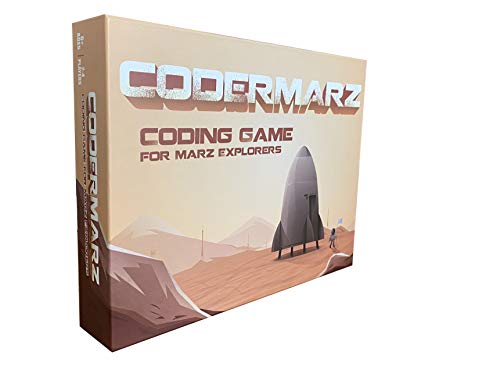
Designed for curious minds aged 6 and up, CoderMarz stands out as an exciting board game that introduces kids to the wonders of Mars and the fundamentals of AI. You’ll explore fascinating facts about Mars while diving into essential coding concepts like loops, functions, and algorithms. This high-quality STEM toy encourages both boys and girls to engage in educational play. Perfect for various settings—home, schools, or clubs—CoderMarz sparks creativity and lays a foundation for understanding artificial intelligence. Created by 11-year-old inventor Samaira, it’s already making waves in over 750 schools worldwide, preparing young learners for the future.
Best For: CoderMarz is best for curious kids aged 6 and up who are interested in space, artificial intelligence, and learning coding concepts through play.
Pros:
- Educational: Introduces essential topics like Mars exploration, AI, and coding in an engaging way.
- Versatile Usage: Suitable for various environments including homes, schools, and clubs, making it a great tool for group learning.
- Inventive Origin: Created by an 11-year-old, which inspires children to pursue their own ideas and innovations.
Cons:
- Age Limitation: Primarily designed for kids aged 6 and up, which may exclude younger children.
- Complexity: Some coding concepts may still be challenging for younger players without adult guidance.
- Availability: While popular, it may not be readily available in all regions or stores, limiting access for some interested buyers.
ThinkFun Circuit Maze Game – Brain-Boosting STEM Toy
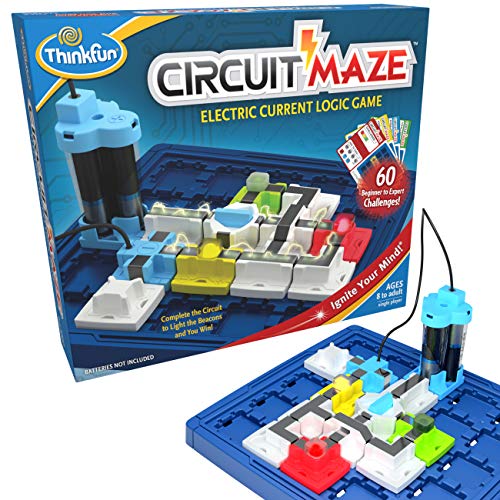
If you’re looking for an engaging way to teach kids about circuitry, the ThinkFun Circuit Maze Game is an excellent choice for children ages 8 and up. This brain-boosting STEM toy features real circuits and pieces, making learning fun and interactive. With 60 challenges that ramp up from beginner to expert, your child will enhance their logical reasoning and planning skills while gaining a solid understanding of electrical currents. The clear instruction manual guarantees they can dive right into gameplay. Plus, with over 50 million units sold, ThinkFun is a trusted name in educational toys, perfect for sparking creativity and learning.
Best For: Children ages 8 and up who are interested in learning about circuitry in a fun and interactive way.
Pros:
- Engaging gameplay that combines fun with educational value.
- Develops critical skills such as logical reasoning and planning.
- Offers 60 challenges of varying difficulty, keeping players motivated and challenged.
Cons:
- Requires 3 AAA batteries which are not included.
- May be too challenging for younger children or those without prior experience in circuitry.
- The complexity of some challenges might lead to frustration for some players.
STEM Coding Board Game for Computer Programming

For families looking to introduce coding concepts to children as young as four, CoderBunnyz stands out as an engaging and educational choice. This extensive STEM coding board game lets players program Bunnyz using Code Cards to navigate mazes and munch on carrots. With its recognition from over 100 media outlets and use in 600 schools worldwide, CoderBunnyz effectively teaches programming fundamentals, from loops to algorithm writing. It’s perfect for diverse settings—homes, schools, or camps—requiring no prior coding experience. Plus, a free curriculum is available for a limited time, making it easier than ever to spark creativity and learning!
Best For: Families and educators looking to introduce coding concepts to children aged 4 to 104 in an engaging and hands-on manner.
Pros:
- Engaging gameplay that combines fun with educational coding concepts.
- Suitable for diverse settings such as homes, schools, and camps without requiring prior coding experience.
- Offers a free curriculum for a limited time, enhancing learning opportunities.
Cons:
- May require adult supervision for younger children to fully understand the concepts.
- Limited appeal for older kids or adults who may prefer more advanced coding resources.
- Requires physical space for setup and play, which might be a constraint in smaller environments.
Learning Resources Code & Go Robot Mouse Board Game

The Learning Resources Code & Go Robot Mouse Board Game is an excellent choice for parents seeking engaging and educational activities for children ages 5 and up. This STEM-focused game teaches coding basics through tactile play, encouraging critical thinking and problem-solving skills without any screens. You’ll enjoy watching your kids draw coding cards to navigate their mice toward cheese wedges while avoiding barriers and utilizing warp tunnels. With 2 to 4 players, it promotes teamwork and friendly competition. Overall, it enhances cognitive skills and provides an interactive gaming experience that sparks creativity and fosters a love for learning.
Best For: Parents looking for an engaging and educational game that teaches coding basics to children ages 5 and up.
Pros:
- Encourages critical thinking and problem-solving skills through hands-on play.
- Promotes teamwork and friendly competition among 2 to 4 players.
- Provides a screen-free learning experience that fosters creativity and a love for learning.
Cons:
- May require adult supervision to facilitate gameplay for younger players.
- Limited replayability as children may memorize the coding card sequences.
- The game may not engage children who are not interested in coding or STEM topics.
Pressman The Original Mastermind Strategy Game for 2 Players
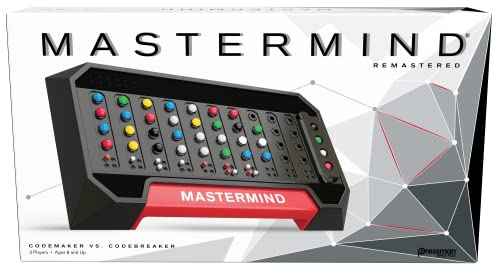
Pressman The Original Mastermind Strategy Game is an ideal choice for kids aged 8 and up who love engaging challenges that stimulate critical thinking and logic skills. In this two-player game, you’ll take turns as the codemaker and codebreaker, creating and guessing secret codes with colorful pegs. With over 2,000 possible combinations, each game offers a unique experience that keeps players on their toes. The built-in storage tray and easy-to-follow instructions make setup a breeze. Rated 4.6 out of 5 stars by over 7,600 customers, it’s a favorite for families wanting to sharpen their problem-solving skills while having fun.
Best For: Kids aged 8 and up who enjoy engaging challenges that stimulate critical thinking and logic skills.
Pros:
- Encourages strategic thinking and problem-solving skills in players.
- Offers a wide variety of game combinations, ensuring each game is unique and challenging.
- Easy setup with built-in storage for components, making it convenient for play and storage.
Cons:
- Limited to 2 players, which may exclude larger groups.
- Requires a basic understanding of logic and deduction, which may be challenging for younger players.
- The game may become repetitive for those who play it frequently.
Learning Resources Code & Go Robot Mouse STEM Toy
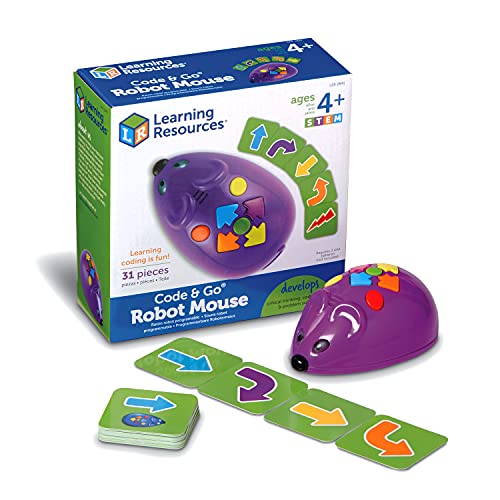
If you’re looking for an engaging way to introduce young children to the world of coding, the Learning Resources Code & Go Robot Mouse STEM Toy is an excellent choice. This 31-piece set lets kids program a cute mouse using pictorial coding cards, promoting critical thinking and problem-solving skills. With easy push-button controls and adjustable speeds, your child can watch their commands come to life on tabletops or floors. It’s perfect for ages 4 and up, making it a great gift for holidays or special occasions. Plus, it encourages hands-on STEM learning without screens, making it an ideal educational tool.
Best For: The Learning Resources Code & Go Robot Mouse STEM Toy is best for children aged 4 and up who are interested in hands-on learning and coding skills.
Pros:
- Promotes critical thinking and problem-solving skills through interactive play.
- Screen-free coding experience encourages creativity and imagination.
- Adjustable speeds and easy controls make it accessible for young children.
Cons:
- Requires 3 AAA batteries which are not included in the package.
- Limited to a specific age range, may not engage older children.
- The coding cards might be easily misplaced due to their small size.
Pressman Mastermind for Kids – Codebreaking Game

Aimed at children aged 6 and up, Mastermind for Kids offers an engaging introduction to codebreaking that’s perfect for budding problem solvers. In this exciting game, you and a friend take turns setting and solving secret codes. With three levels of play, it’s accessible and fun for beginners. The colorful jungle animal pieces add a playful touch that keeps kids entertained. As you play, you’ll enhance your deductive reasoning and logic skills, aligning with STEM and STEAM principles. This two-player game promotes interaction and strategic thinking, making it a fantastic choice for educational playtime.
Best For: Children aged 6 and up who are interested in developing their problem-solving and logic skills through play.
Pros:
- Encourages critical thinking and deductive reasoning skills.
- Features colorful and engaging jungle animal pieces that appeal to kids.
- Offers three levels of play, making it accessible for beginners and allowing for skill progression.
Cons:
- Limited to two players, which may not accommodate larger groups.
- Gameplay may become repetitive after multiple sessions.
- Requires adult supervision for younger players to understand the rules fully.
Factors to Consider When Choosing Kids Coding Board Games
When you’re picking out kids coding board games, it’s crucial to contemplate a few key factors. Think about age appropriateness, educational value, and gameplay mechanics to guarantee the game suits your child’s needs. Don’t forget to check the game’s versatility and the brand’s reputation for quality, as these can greatly influence your choice.
Age Appropriateness
Choosing the right coding board game for kids requires careful consideration of age appropriateness, as each game is designed with specific developmental stages in mind. When selecting a game, check the recommended age range. Younger children, ages 4 to 6, usually engage with basic coding concepts, while those aged 8 and up tackle more complex programming principles. It’s essential to match the game’s difficulty with your child’s age and experience; games that are too challenging can cause frustration, while overly simplistic ones may lose their interest. Many coding games offer varying levels of play, allowing siblings or friends of different ages to learn together at their own pace, making the experience more inclusive and enjoyable for everyone involved.
Educational Value
While selecting a coding board game for kids, it is vital to take into account its educational value, as these games can greatly influence a child’s learning experience. Look for games that introduce fundamental programming concepts like loops, functions, and conditionals, which are important for developing computational thinking skills. Critical thinking and problem-solving are also key; choose games that challenge kids to engage in logical reasoning while they play. Opt for games with various difficulty levels, ensuring all players can find a suitable challenge. In addition, consider those that connect coding to real-world applications, enhancing kids’ understanding of its relevance. Finally, interactive gameplay encourages collaboration, helping children develop both social skills and technical knowledge.
Gameplay Mechanics
Selecting a coding board game for kids goes beyond just educational value; the gameplay mechanics play a significant role in shaping the overall experience. Look for turn-based actions that use cards or tokens to navigate challenges, which enhance engagement and boost strategic thinking. Games that incorporate coding concepts like loops and conditionals allow kids to apply logic and reasoning to solve puzzles, making learning fun. Additionally, choose games with varying difficulty levels to cater to both beginners and advanced players. Interaction among players fosters social skills and teamwork as they collaborate to solve problems. Finally, consider games with tangible elements, like programmable robots, to provide a hands-on experience that reinforces coding principles through practical application.
Versatility and Usage
When considering kids coding board games, it’s essential to evaluate their versatility for different environments, such as homes, schools, and coding clubs. Look for games that fit seamlessly into various educational contexts, like STEM clubs, summer camps, and after-school programs. This flexibility enhances their usability and learning potential. Choose games designed for a wide age range, making them suitable for family play and multi-generational engagement. Additionally, consider games that offer downloadable curricula or resources, which can help educators integrate coding concepts into their lessons. Finally, opt for games that support initiatives targeting underrepresented groups in STEM, as this expands their appeal and impact within diverse learning communities, fostering a more inclusive environment for all players.
Brand Reputation
Trust in a brand’s reputation is essential when choosing kids coding board games, as it often reflects the quality and educational value of the products. Established brands typically have a proven track record of creating engaging games that effectively teach coding concepts. Consider awards and recognitions the brand has received, as these often highlight the game’s effectiveness in promoting STEM education. Additionally, consumer reviews and ratings can provide valuable insights; higher average ratings usually indicate a positive reception among users. Brands that have sold millions of units are often seen as leaders in the industry, reassuring you about the product’s popularity and acceptance. Overall, a strong brand reputation can guide you toward the best choices for your child’s learning experience.