The best desktop AV receivers give you a practical control center for speakers, streaming devices, televisions, and game consoles without requiring a complicated installation. The right choice depends on whether you need simple stereo playback, immersive surround sound, modern HDMI features, or flexible connectivity for a mixed setup.
This roundup compares 10 desktop-friendly receivers across those use cases, from compact two-channel models to networked 7.2-channel systems with 8K and Dolby Atmos support.
Best 10 Desktop Av Receivers Picks for 2026
Best 5.2-Channel Value

- 5.2-channel surround sound
- 4K HDR pass-through
- Bluetooth and four HDMI inputs
Best For: Straightforward 4K home-theater systems
Best Simple Stereo Receiver
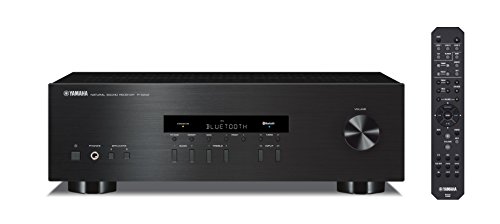
- Two-channel stereo design
- Bluetooth and AM/FM radio
- Speaker selector for two systems
Best For: Simple music-focused setups
Best Feature-Rich Home Theater

- 7.2-channel THX-certified design
- Dolby Atmos and DTS:X playback
- 8K HDMI 2.1 and network streaming
Best For: Expandable immersive home theaters
Best for Karaoke and Multi-Speaker Use

- Four independently controlled channels
- Dual microphone inputs with Talk Over
- Bluetooth 5.3, optical, coaxial, and USB
Best For: Karaoke and flexible multi-speaker audio
Flexible Atmos Upgrade
Pioneer VSX935 7.2-Channel AV Receiver
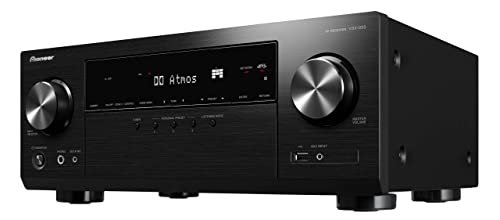
- 7.2-channel surround with Dolby Atmos and DTS:X
- Eight HDMI ports plus Wi-Fi and Bluetooth
- Supports voice control, USB, ARC, and TuneIn
Best For: Expandable home-theater systems
Vinyl-Friendly Stereo Value
Sony STRDH190 2-Channel Receiver

- Phono input and four stereo RCA inputs
- Bluetooth streaming and FM radio included
- A/B speaker switching supports up to four speakers
Best For: Turntable-based stereo listening
8K Gaming Ready
Denon AVR-S570BT 5.2-Channel Receiver

- Four HDMI 2.1 inputs with 8K and eARC support
- VRR and QFT features for compatible gaming setups
- Bluetooth, app control, and guided on-screen setup
Best For: Modern TV and gaming systems
Best for Next-Gen Gaming

- 4K/120Hz HDR pass-through
- VRR, ALLM, and QFT gaming features
- 7.2-channel audio with eARC
Best For: Gamers building a responsive 4K home theater
Best Budget-Friendly Feature Set

- 5.2-channel surround sound
- 4K Ultra HD pass-through
- Bluetooth, USB/MP3, and DAC connectivity
Best For: Simple home audio and 4K entertainment setups
Best for Immersive Room-Filling Sound

- Dolby Atmos and DTS Virtual:X
- 4K/120 and 8K/60 HDMI support
- Automatic room calibration microphone
Best For: Modern 5.2-channel home theater systems
Best 5.2-Channel Value – Sony STR-DH590
The Sony STR-DH590 is a practical choice among desktop AV receivers when you want straightforward home-theater connectivity, Bluetooth streaming, and support for 4K HDR sources. Its 5.2-channel layout suits a conventional surround setup without requiring a more complex receiver.
Best For: Movie and TV setups needing 4K HDR pass-through, Bluetooth, and flexible HDMI connectivity.
Pros:
- Supports 5.2-channel surround sound and virtual front surround.
- 4K HDR pass-through with HDCP 2.2 support.
- Includes four HDMI inputs, Bluetooth, FM radio, and a headphone jack.
Cons:
- Does not include built-in Wi-Fi networking.
- Its feature set is aimed at traditional surround systems rather than advanced immersive formats.
The STR-DH590 is a sensible all-around option for a compact or moderately sized home theater. Choose it when essential video pass-through and easy Bluetooth use matter more than extensive network features.
Best Simple Stereo Receiver – Yamaha R-S202BL
YAMAHA R-S202BL Stereo Receiver | Phono input, Subwoofer output, Bluetooth, AM FM Tuner
Check Price On AmazonThe Yamaha R-S202BL takes a simpler stereo approach than many desktop AV receivers, focusing on two-channel listening, Bluetooth streaming, and radio playback. It is a good fit when you want a clean, traditional receiver for music rather than multichannel home theater.
Best For: Two-channel music systems with Bluetooth, AM/FM radio, and support for two speaker systems.
Pros:
- Provides Bluetooth streaming from compatible devices.
- Speaker selector supports two systems.
- Includes AM/FM tuning with 40 station presets and a headphone terminal.
Cons:
- It is a stereo receiver, not a surround-sound AV receiver.
- Its supplied feature list emphasizes analog and wireless music use rather than HDMI-based home theater.
For listeners who prioritize uncomplicated stereo playback, the R-S202BL offers useful everyday controls and a straightforward design. It is less suitable if your system requires multichannel decoding or extensive HDMI switching.
Best Feature-Rich Home Theater – Onkyo TX-NR6100
The Onkyo TX-NR6100 is the most advanced home-theater option in this desktop AV receivers roundup, combining 7.2-channel amplification with Dolby Atmos and DTS:X playback, network streaming, and HDMI 2.1 support. It is designed for users building a more capable, expandable entertainment system.
Best For: Immersive home theaters needing 8K-capable HDMI 2.1 inputs, network audio, and zone support.
Pros:
- Supports 5.2.2-channel Dolby Atmos and DTS:X playback.
- Provides three HDMI 2.1 inputs with 40Gbps support and eight HDMI ports overall.
- Includes Wi-Fi, Bluetooth, multiple streaming services, and discrete Zone 2 audio and video.
Cons:
- Its larger feature set may be more than a basic stereo or compact setup needs.
- The receiver is relatively substantial, measuring 21 inches deep and 18.64 inches wide.
The TX-NR6100 is the strongest choice here for a modern, upgrade-friendly theater. Its connectivity and immersive audio support make it especially attractive when you plan to add speakers, sources, or a second zone.
Best for Karaoke and Multi-Speaker Use – Donner MAMP5
The Donner MAMP5 stands apart from conventional desktop AV receivers by emphasizing four-channel amplification, microphone inputs, and flexible source connections. Its Bluetooth 5.3, optical, coaxial, USB, and RCA inputs make it adaptable for home audio, karaoke, and event-style applications.
Best For: Karaoke, announcements, and multi-speaker stereo systems that need microphone mixing and independent channel control.
Pros:
- Offers four independently controlled channels and support for up to four speaker groups.
- Includes two 1/4-inch microphone inputs, echo, and Talk Over functions.
- Supports Bluetooth 5.3, USB, RCA, optical, coaxial, AUX, and FM inputs.
Cons:
- It has no HDMI input, so it is less convenient for HDMI-based theater systems.
- The listed 1000-watt figure is peak power; supplied notes specify 25 watts × 4 RMS.
- Its feature set is oriented toward stereo and karaoke use rather than surround decoding.
The MAMP5 is a specialized pick for users who need microphones, multiple speaker groups, and broad analog and digital input support. Select it for flexibility and karaoke features, not for a conventional HDMI surround receiver.
Flexible Atmos Upgrade – Pioneer VSX935 7.2-Channel AV Receiver
The Pioneer VSX935 is a strong option for shoppers comparing desktop av receivers for a full home-theater setup. Its 7.2-channel configuration, Dolby Atmos and DTS:X support, eight HDMI ports, Wi-Fi, Bluetooth, and voice control provide plenty of flexibility for movies, games, and connected entertainment.
Best For: Home-theater users who want immersive surround formats and broad connectivity.
Pros:
- Supports Dolby Atmos, DTS:X, and height virtualization.
- Offers eight HDMI ports for multiple source devices.
- Includes Wi-Fi, Bluetooth, USB, ARC, and TuneIn support.
- Provides 7.2-channel surround sound with up to 80 watts per channel under the listed FTC conditions.
Cons:
- Its 20.7-pound chassis may require a sturdy shelf.
- The listed 170-watt figure applies under a specific one-channel test condition, so it should not be treated as typical multichannel output.
Choose the VSX935 when surround immersion and connection capacity matter more than a compact footprint. It is particularly well suited to systems that may grow beyond a basic TV-and-speaker arrangement.
Vinyl-Friendly Stereo Value – Sony STRDH190 2-Channel Receiver
The Sony STRDH190 is a straightforward choice among desktop av receivers for two-channel listening. It combines a phono input, four stereo RCA inputs, Bluetooth, FM radio, and 100 watts per channel into a low-profile chassis designed for conventional AV cabinets.
Best For: Stereo listeners who want turntable connectivity, Bluetooth streaming, and flexible speaker switching.
Pros:
- Includes a dedicated phono input for connecting a turntable.
- Bluetooth supports wireless streaming from compatible devices.
- A/B speaker switching can play through up to four speakers.
- Provides a full-size headphone jack and FM radio with 30 presets.
Cons:
- It is a two-channel stereo receiver rather than a surround-sound AV receiver.
- Connectivity is primarily analog, with no HDMI listed in the supplied specifications.
The STRDH190 makes the most sense for music-first systems rather than home-theater installations. Its phono input and low-profile design are useful advantages when you want simple stereo playback with modern Bluetooth convenience.
8K Gaming Ready – Denon AVR-S570BT 5.2-Channel Receiver
The Denon AVR-S570BT is a practical pick for desktop av receivers when modern HDMI features and gaming support are priorities. It offers four HDMI 2.1 8K inputs, eARC, HDR compatibility, VRR, QFT, Bluetooth, and a guided setup assistant for a simpler connection process.
Best For: TV and gaming systems that need 8K-capable HDMI inputs and low-lag features.
Pros:
- Provides four HDMI 2.1 inputs with 8K support and eARC.
- Supports Dolby Vision, HDR10+, HLG, Dynamic HDR, VRR, and QFT.
- Includes Bluetooth streaming and support for Spotify, TIDAL, Pandora, Deezer, and TuneIn.
- On-screen setup assistance and app control simplify everyday use.
Cons:
- Its five-channel configuration is less expandable than a 7.2-channel receiver.
- It has fewer total HDMI ports than the Pioneer VSX935.
- The supplied dimensions list a 20.5-inch depth, so cabinet space should be checked carefully.
The AVR-S570BT is a compelling fit for a compact 5.2-channel theater centered on current TVs and game consoles. Its HDMI 2.1 feature set is the main attraction, while Bluetooth and streaming-service support add flexibility for music.
Best for Next-Gen Gaming – Onkyo TX-NR5100
The Onkyo TX-NR5100 is one of the more gaming-focused desktop av receivers in this group. Its HDMI 2.1 features support 4K/120Hz HDR pass-through, VRR, ALLM, and QFT, while eARC handles high-bitrate audio from compatible TV apps.
Best For: Gamers and home theater users who want responsive gameplay features, 7.2-channel surround sound, and support for Dolby Atmos and DTS:X.
Pros:
- Supports 4K/120Hz HDR pass-through for compatible gaming setups.
- VRR, ALLM, and QFT are designed to reduce lag, tearing, and stutter.
- eARC supports formats including Dolby Atmos, DTS:X, and Dolby TrueHD.
- Includes Chromecast built-in, AirPlay 2, DTS Play-Fi, and Bluetooth connectivity.
Cons:
- It has four HDMI ports, which may feel limiting in a larger system.
- The listed output is 80 watts, so speaker-matching remains important.
The TX-NR5100 is a practical choice when gaming performance is a priority. Its 7.2-channel layout and broad audio support also make it suitable for a flexible living-room theater, provided four HDMI inputs meet your connectivity needs.
Best Budget-Friendly Feature Set – Pyle PT865BT
The Pyle PT865BT is a straightforward option among desktop av receivers, combining 5.2-channel surround sound with 4K Ultra HD pass-through, Bluetooth streaming, USB/MP3 support, and a digital audio interface.
Best For: Shoppers seeking an accessible home audio receiver for basic surround sound, wireless music playback, and compatible 4K video systems.
Pros:
- Supports 5.2-channel stereo and surround sound configurations.
- Passes through compatible 4K Ultra HD content.
- Built-in Bluetooth supports wireless streaming from compatible devices.
- Includes overcurrent, short-circuit, and overvoltage protection.
Cons:
- It lacks the more advanced gaming and immersive-audio features listed for the other receivers.
- The supplied specifications identify four HDMI ports, so expansion may be limited.
The PT865BT makes the most sense for a simple entertainment setup where Bluetooth, 4K pass-through, and basic surround sound matter more than premium calibration or next-generation gaming functions.
Best for Immersive Room-Filling Sound – Yamaha RX300A
The Yamaha RX300A stands out among desktop av receivers for pairing Dolby Atmos and DTS Virtual:X with 4K/120 and 8K/60 HDMI support. Its included setup microphone also enables automatic room correction for easier system tuning.
Best For: Home theater users who want immersive sound, flexible speaker layouts, modern video support, and a guided setup experience.
Pros:
- Supports Dolby Atmos, DTS Virtual:X, and a 3.1.2-channel speaker layout.
- Handles 4K/120 and 8K/60 video with Dolby Vision and HDR10+ support.
- Includes automatic room calibration with a setup microphone.
- Bluetooth Multipoint allows pairing two source devices and switching between them.
Cons:
- Its 5.2-channel design is less expandable than a larger multichannel receiver.
- The listed output is 70 watts, so demanding speakers may require careful matching.
The RX300A is a well-rounded pick for a modern home theater. It combines immersive processing, current HDMI features, automatic calibration, and convenient Bluetooth Multipoint without moving beyond a manageable 5.2-channel platform.
How We Picked These Desktop Av Receivers
We selected models that cover the main ways people use desktop and compact home audio systems: two-channel music listening, television audio, gaming, movie playback, and multi-speaker theater setups. We considered channel count, HDMI support, wireless connectivity, network features, phono input availability, power flexibility, and ease of integrating the receiver with existing equipment.
The list includes both traditional stereo receivers and full AV receivers. That distinction matters: a stereo model may be the better fit for music and a pair of bookshelf speakers, while a multichannel receiver is designed to manage surround speakers, subwoofers, televisions, and multiple source devices.
Quick Comparison
| Best For | What to Prioritize |
|---|---|
| Desktop music setup | Two-channel output, Bluetooth, and a compact footprint |
| Vinyl listening | Dedicated phono input and suitable stereo speaker connections |
| Gaming and 4K displays | HDMI 2.1 features, 4K/120 support, and low-latency compatibility |
| Home theater | At least 5.2 channels, room correction, and surround-sound format support |
| Streaming and smart homes | Wi-Fi or Ethernet networking, app control, and compatible streaming platforms |
Key Buying Factors for Desktop Av Receivers
Channel Count and Speaker Plans
Two-channel receivers are intended for left and right speakers and are usually simpler to operate. A 5.2-channel receiver can support a center channel, surround speakers, and one or two subwoofers. Seven-channel models provide more flexibility for larger surround layouts or additional speaker zones, but they also require more space and wiring.
HDMI, Resolution, and Gaming Support
Check the number of HDMI inputs and outputs, along with support for 4K, 8K, HDR, eARC, and high-refresh-rate signals. If you use a PlayStation 5, Xbox Series console, or gaming PC, confirm that the receiver supports the resolution and refresh rate you actually plan to use. A television with eARC can also simplify connections when the receiver is handling audio rather than every source device.
Music and Wireless Connectivity
Bluetooth is useful for quick playback from a phone, but network receivers generally offer broader streaming options and more dependable whole-home integration. Vinyl users should look for a phono input; otherwise, an external phono preamp may be required. Also verify whether the receiver’s speaker terminals, impedance guidance, and available power suit your speakers.
Size, Ventilation, and Controls
Even compact Desktop Av Receivers need airflow. Leave clearance above and around the chassis, especially in an enclosed cabinet. Front-panel controls can be valuable for everyday use, while a clear on-screen setup menu makes configuring surround speakers and HDMI devices easier.
Who Should Buy Which Desktop Av Receivers?
Choose a two-channel Yamaha or Sony receiver if your priority is straightforward stereo music, Bluetooth playback, or vinyl listening with a pair of speakers. Consider the Sony STR-DH590 or Denon AVR-S570BT for a compact 5.2-channel television and surround setup. Buyers building a more advanced theater or gaming system should look toward the networked Onkyo, Pioneer, or Yamaha models, particularly when 8K, Dolby Atmos, multi-room streaming, or higher-refresh-rate HDMI is important.
The Donner and Pyle options are better suited to buyers who value extra convenience features, microphone inputs, or high advertised peak-power figures for casual setups. Before buying, compare the receiver’s real connectivity and speaker compatibility with your equipment rather than relying on wattage alone.