Choosing the best FPV drone with 4K video means balancing immersive flight controls, image quality, safety features, battery life, and portability. The models in this roundup range from dedicated headset-based FPV drones to compact camera drones designed for easier everyday flying.
Use the guide below to compare the features that matter most, then match your budget and skill level to the right type of drone and package.
Best 10 Fpv Drone with 4K Picks for 2026
Best Immersive FPV Pick
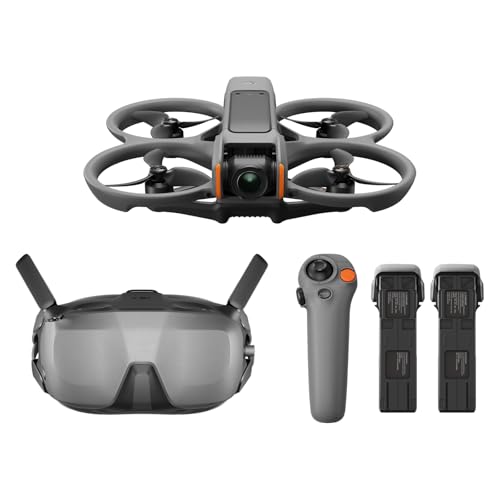
- 4K/60fps video with a 155-degree field of view
- Includes Goggles N3, Motion 3, and three batteries
- Built-in propeller guards suit beginner FPV flying
Best For: Immersive FPV flying and wide-angle 4K content
Best Lightweight Camera Drone
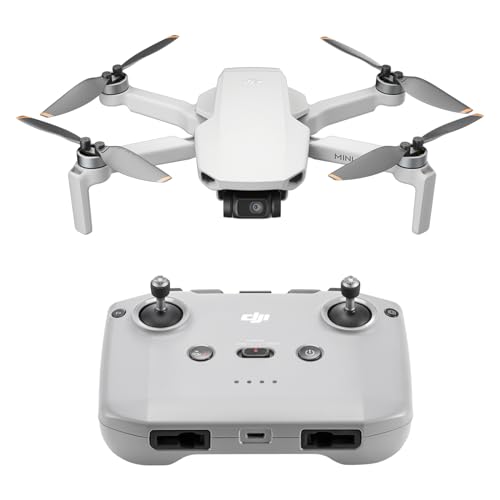
- 240 g design with 4K video and a 3-axis gimbal
- GPS Return to Home and one-tap controls aid beginners
- Wind resistance and QuickShots support easy outdoor filming
Best For: Portable, stabilized 4K aerial photography
Best Beginner FPV Combo

- Lightweight 151 g aircraft with full propeller guards
- Includes goggles, motion controller, three batteries, and hub
- 4K imaging plus gesture control and ActiveTrack
Best For: Hands-free beginner flying and quick FPV content
Best Budget Screen-Remote Option

- Built-in controller screen enables device-free FPV viewing
- GPS, return-home, altitude hold, and obstacle avoidance
- Supplied specifications list 1080p, not 4K capture
Best For: Casual flying with an integrated-screen controller
Best for Easy Setup

- Ultra-wide 4K/60fps camera with stabilization
- Includes Goggles N3 and RC Motion 3
- Built-in propeller guards and acrobatic modes
Best For: Immersive FPV flying and dynamic POV footage
Beginner-Friendly Value Pick
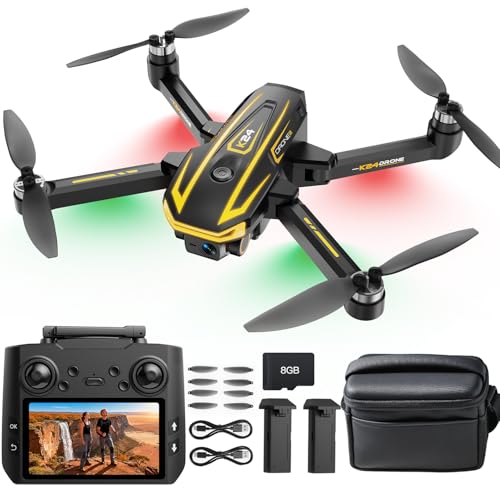
- Optical Flow Positioning for steadier hovering
- Built-in 4.5-inch controller display
- Two batteries, SD card, and carrying case included
Best For: New pilots who want simple live-view flying
Portable Follow-Me Pick

- 135g design with palm takeoff and landing
- 4K stabilized video with subject tracking
- Includes goggles, motion controller, and three batteries
Best For: Travel, vlogging, and accessible FPV experimentation
Feature-Packed Value Pick

- Adjustable 4K camera with 5GHz FPV transmission
- GPS return, optical-flow hover, and creative flight modes
- Two batteries provide up to 32 minutes of stated flight time
Best For: Beginners and travelers seeking automated flying features in a lightweight, foldable drone
Best Heavy-Duty Pick

- 4K/60fps video with a wide 155-degree field of view
- Includes Goggles 3, RC Motion 3, and three batteries
- Built-in propeller guards and stabilization support confident flying
Best For: Users wanting a complete, goggles-based FPV setup for immersive POV footage
Travel-Friendly Camera Pick

- 4K video with 3-axis gimbal stabilization
- Under 249g with GPS Return to Home and beginner controls
- Three batteries offer up to 93 minutes of stated total flight time
Best For: Travelers and beginners seeking compact, stabilized 4K aerial video
Best Immersive FPV Pick – DJI Avata 2 Fly Smart Combo
The DJI Avata 2 is a strong choice if you want an fpv drone with 4k video and a cockpit-style flying experience. Its goggles, motion controller, built-in propeller guards, and three batteries make this combo especially practical for beginners who want to fly and record without assembling a separate setup.
Best For: Beginners seeking immersive FPV flight, simple motion control, and wide-angle 4K/60fps footage.
Pros:
- Includes DJI Goggles N3 and RC Motion 3 for an immersive FPV experience.
- Captures 4K/60fps video with a 155-degree field of view and a 1/1.3-inch sensor.
- Three intelligent batteries support longer flying sessions.
- Integrated propeller guards add durability and confidence during flight.
Cons:
- At 1.56 kg, it is substantially heavier than DJI’s Mini and Neo options.
- Its FPV goggles-and-motion-controller setup may be more specialized than a conventional camera drone.
Choose the Avata 2 when the flight experience matters as much as the footage. It offers the most complete immersive package here, though travelers focused on minimum weight may prefer another model.
Best Lightweight Camera Drone – DJI Mini 4K
The DJI Mini 4K is a practical pick for shoppers comparing an fpv drone with 4k against a lightweight camera drone. At 240 g, it is easy to carry, while its 3-axis gimbal, GPS features, wind resistance, and automated QuickShots make it approachable for beginners focused on stable aerial footage.
Best For: Travelers and beginners who prioritize portable 4K recording, stabilized footage, and simple flight assistance.
Pros:
- Under 249 g, with regulation-friendly characteristics for recreational use where applicable.
- 4K video and a 3-axis gimbal support smooth, cinematic-looking footage.
- GPS Return to Home, hovering, and one-tap takeoff and landing help new pilots.
- Level 5 wind resistance and brushless motors support stable outdoor flights.
Cons:
- This is a conventional camera drone rather than a goggles-based FPV package.
- The supplied configuration includes one battery, while additional-battery options are separate choices.
- Android users may need to download DJI Fly from DJI’s official website.
The Mini 4K is the better fit when portability and stabilized camera work outrank acrobatic FPV flight. Its lightweight design and beginner aids make it a sensible everyday aerial camera.
Best Beginner FPV Combo – DJI Neo 2 Motion Fly More
The DJI Neo 2 Motion Fly More Combo combines an fpv drone with 4k imaging and beginner-friendly hands-free features. Its 151 g aircraft, full-coverage propeller guards, palm takeoff and landing, gesture controls, goggles, motion controller, and three batteries create a flexible package for casual pilots and creators.
Best For: Beginners who want a lightweight FPV setup with gesture control, subject tracking, and included goggles.
Pros:
- Includes Goggles N3, RC Motion 3, three batteries, and a charging hub.
- Lightweight 151 g design and full-coverage propeller guards improve portability.
- 4K imaging, ActiveTrack, and SelfieShot support quick content capture.
- Palm takeoff, palm landing, and gesture controls simplify operation.
Cons:
- The product notes do not specify 4K frame rate or gimbal stabilization.
- Some app users may need to download DJI Fly from DJI’s official website.
- Its compact design is oriented toward easy, casual flying rather than the Avata 2’s stated wide-angle FPV performance.
The Neo 2 is compelling for social clips, selfies, and approachable FPV practice. It offers more hands-free convenience than the other DJI choices, while the Avata 2 may suit pilots seeking a more dedicated immersive experience.
Best Budget Screen-Remote Option – V168 Pro Max GPS Drone
The V168 Pro Max is marketed as an fpv drone with 4k, but its supplied specifications list 1080p video capture rather than 4K. It may still appeal to beginners who want a foldable GPS quadcopter with a built-in screen remote, obstacle avoidance, altitude hold, and basic return-home features at a more accessible level.
Best For: Beginners wanting a foldable recreational drone with an integrated-screen controller and basic flight assistance.
Pros:
- Built-in screen remote supports real-time FPV viewing without an additional device.
- GPS positioning, altitude hold, and return-home functions support easier flying.
- Four-way obstacle avoidance and adjustable lighting add practical flight assistance.
- Includes an 8G memory card, spare propellers, and a foldable design.
Cons:
- Despite the listing title, the supplied details specify 1080p rather than 4K video.
- Only one battery is included.
- The details list a professional skill level, which may not match every first-time pilot.
This model is worth considering for screen-based monitoring and casual outdoor practice, not for shoppers who specifically require verified 4K footage. Treat the 4K wording cautiously and prioritize the stated 1080p specification.
Best for Easy Setup – DJI Avata 2 Fly Smart Combo
The DJI Avata 2 is a premium fpv drone with 4k video for pilots who want an immersive cockpit-style experience. Its Goggles N3, RC Motion 3 controller, ultra-wide camera, stabilization, and built-in propeller guards make it especially appealing for dynamic low-altitude footage and approachable FPV flying.
Best For: Immersive FPV flying, acrobatics, and stabilized 4K/60fps POV content.
Pros:
- Captures ultra-wide 4K/60fps footage with a 1/1.3-inch sensor.
- Includes DJI Goggles N3 and RC Motion 3 for an out-of-the-box FPV setup.
- Supports easy flips, rolls, and 180-degree drifts.
- Built-in propeller guards add durability and confidence while flying.
Cons:
- This single-battery combo offers less flight time between charging sessions than a multi-battery kit.
- The premium FPV setup may be more than casual camera-drone users need.
Choose the Avata 2 if the main goal is the sensation of flying from the drone’s perspective rather than simple point-and-shoot aerial photography. Its included goggles and motion controller make the package convenient, while the stabilized ultra-wide camera helps turn fast flights into usable footage.
Beginner-Friendly Value Pick – KINGULL K24 4K FPV Drone
The KINGULL K24 is an accessible fpv drone with 4k capability for beginners who want live viewing without relying on a phone. Optical Flow Positioning supports steadier hovering, while the built-in 4.5-inch controller screen, two batteries, carrying case, and included SD card make this a practical starter package.
Best For: Beginners seeking an easy-to-fly camera drone with an integrated controller display.
Pros:
- Optical Flow Positioning helps maintain a steady hover.
- Built-in 4.5-inch HD screen provides live video without a smartphone.
- Includes a 4K adjustable camera, SD card, two batteries, and carrying case.
- Under-249g design is suited to travel and avoids FAA registration according to the supplied details.
Cons:
- Its 4K camera is paired with an 8.3MP still-resolution specification, so it is less focused on premium image quality than higher-end models.
- The plastic construction and beginner-oriented controls may not satisfy advanced FPV pilots.
The K24 emphasizes convenience over sophisticated FPV immersion. It is a sensible choice for first-time flyers who value simple setup, a dedicated live-view screen, extra battery capacity, and a portable case for outdoor practice.
Portable Follow-Me Pick – DJI Neo Motion Fly More Combo
The DJI Neo Motion Fly More Combo combines a lightweight camera drone with FPV accessories, making it a versatile fpv drone with 4k for travel, vlogging, and casual immersive flying. At 135g, it supports palm takeoff and landing, subject tracking, QuickShots, and multiple control options, while the included Goggles N3 and RC Motion 3 enable FPV-style control.
Best For: Travelers, vloggers, and families wanting easy 4K capture with optional FPV control.
Pros:
- Lightweight 135g design is easy to carry and regulation-friendly according to the supplied details.
- Offers palm takeoff, subject tracking, and eight QuickShots modes.
- Includes Goggles N3, RC Motion 3, three batteries, and a two-way charging hub.
- Supports controller-free, voice, mobile-app, and remote-control operation.
Cons:
- Its compact design and self-flying focus may be less suitable for demanding manual FPV work.
- The combo is built around convenience and tracking rather than the Avata 2’s ultra-wide 155-degree FPV camera experience.
Neo is the flexible option for users who want more than traditional FPV flying. Its lightweight body and automated capture tools simplify everyday video, while the included motion controller and goggles let you explore immersive flight when you want it.
Feature-Packed Value Pick – GPS 4K FPV Drone Under 250g
If you want an fpv drone with 4k for casual aerial photography and guided flying, this foldable model combines GPS positioning, optical-flow hovering, and 5GHz transmission in a lightweight package. Its automated flight modes and beginner controls make it approachable while still offering creative shooting options.
Best For: Beginners and travelers who want GPS safety features, hands-free shooting modes, and a compact drone for outdoor adventures.
Pros:
- 4K camera with a 90-degree adjustable angle and 5GHz FPV transmission
- GPS auto return helps when the signal is lost, the drone goes out of range, or power is low
- Follow Me, Waypoint Flight, Point of Interest, and Gesture Selfie modes support creative filming
- Two modular batteries provide up to 32 minutes of stated flight time
Cons:
- Its supplied details do not specify advanced gimbal stabilization
- Actual flight time and transmission performance can vary with conditions
This is a practical choice for buyers prioritizing portability, automated flight assistance, and a broad feature set over specialized racing performance. The foldable design and included storage case also suit hiking, camping, and travel.
Best Heavy-Duty Pick – DJI Avata 2 Fly More Combo
For buyers seeking an fpv drone with 4k that emphasizes cockpit-style immersion, the DJI Avata 2 Fly More Combo pairs the drone with Goggles 3, RC Motion 3, and three batteries. Its wide field of view, stabilization, and integrated propeller guards are designed for engaging POV footage and accessible FPV control.
Best For: Experienced users and FPV newcomers who want immersive goggles-based flying, motion control, and extended sessions with a complete bundle.
Pros:
- Captures 4K/60fps footage with a 155-degree field of view and 1/1.3-inch sensor
- Includes Goggles 3 and RC Motion 3 for an immersive, intuitive control setup
- Built-in propeller guards add durability for varied flying scenarios
- Three intelligent batteries are included for more time between charging sessions
Cons:
- At 377g, it is not an under-250g regulation-friendly option
- The supplied details list up to 23 minutes of flight time, so individual flights are relatively limited
- It is positioned for advanced users rather than simple point-and-shoot flying
The Avata 2 stands out when the priority is the FPV experience itself. The included goggles, motion controller, stabilization, and propeller protection make this a more complete immersive system than a conventional camera drone.
Travel-Friendly Camera Pick – DJI Mini 4K Fly More Combo
The DJI Mini 4K Fly More Combo is a strong option if you want an fpv drone with 4k for stabilized aerial video without carrying a heavier aircraft. Its under-249g design, 3-axis gimbal, GPS return-to-home, and three-battery bundle make it especially practical for beginners and extended outings.
Best For: New pilots, travelers, and content creators who want stabilized 4K footage, long total battery coverage, and a regulation-friendly compact design.
Pros:
- 4K UHD video benefits from 3-axis gimbal stabilization
- Under 249g and designed for regulation-friendly recreational use according to the supplied notes
- Three batteries provide up to 93 minutes of stated maximum total flight time
- GPS Return to Home, stable hovering, and QuickShots support beginner-friendly operation
Cons:
- The DJI Fly app must be downloaded from DJI’s official website rather than Google Play due to the noted compatibility issue
- The supplied details do not include goggles or a dedicated immersive FPV control system
This combo is better suited to stabilized aerial photography than goggles-first FPV flying. Choose it for a compact camera platform with strong travel convenience, extended battery coverage, and straightforward automated shooting modes.
How We Picked the Best Fpv Drone with 4K Video
We focused on drones that offer 4K recording or are clearly positioned for 4K aerial video, while comparing flight control, stabilization, transmission range, safety functions, portability, and included accessories. We also separated true FPV systems from conventional camera drones: FPV models prioritize an immersive goggles-based experience, while standard camera drones are generally easier for beginners and better suited to steady cinematic footage.
Combo contents matter as well. Packages with multiple batteries, charging equipment, goggles, or motion controllers can provide better value than basic kits, but only if those accessories match how you plan to fly.
Quick Comparison
| Best For | What to Prioritize | Recommended Type |
|---|---|---|
| Immersive racing-style flight | Low-latency goggles, responsive controls, durable design | Dedicated FPV drone |
| Travel and casual video | Foldable body, low weight, gimbal stabilization | Compact camera drone |
| Longer flying sessions | Multiple batteries and efficient charging | Fly More or three-battery bundle |
| First-time pilots | Hover stability, return-to-home, obstacle sensing | GPS camera drone |
Key Buying Factors for an Fpv Drone with 4K
Video Quality and Stabilization
Check whether 4K recording is available at the frame rates you need, and look for a mechanical gimbal or effective electronic stabilization. A gimbal-equipped drone typically produces smoother footage, while dedicated FPV cameras emphasize speed and a dynamic first-person view.
Flight Controls and Safety
FPV goggles and motion controllers can make flying more engaging, but they require a learning period. GPS, automatic return-to-home, obstacle avoidance, altitude hold, and beginner modes can reduce risk. Confirm which safety features operate in the specific flight mode you intend to use.
Battery Life and Package Contents
Advertised flight time is measured under controlled conditions, so real-world time is usually shorter. Extra batteries are valuable for filming and practice. Compare the total package carefully, including the charger, controller, goggles, spare propellers, and carrying case.
Weight, Portability, and Rules
Sub-249-gram models are especially convenient for travel, although local registration and operating rules still vary. Foldable drones pack more easily, while larger FPV systems may deliver stronger performance but require more space and preparation.
Who Should Buy Which Fpv Drone with 4K?
Choose a dedicated FPV bundle if your priority is an immersive, fast, hands-on flying experience and you are willing to learn its controls. Select a compact DJI Mini-style model if you want lightweight travel, stabilized 4K footage, and a gentler learning curve. A multi-battery Fly More package is the better choice for frequent filming or extended practice, while a single-battery kit can make sense for occasional pilots who already own compatible accessories.
For beginners who value automated flight, GPS positioning, and return-to-home features over headset immersion, a conventional camera drone may be the safer starting point. Before buying, verify local rules, available replacement batteries, controller compatibility, and whether the listed package includes every accessory you need.