Compact dynamics tools can make a big difference when you need tighter vocals, smoother instruments, or more controlled live levels without filling your rack.
These picks focus on useful features, practical size, and real-world value so you can choose the right compressor for your setup in 2026.
Best 10 Compact Audio Compressors Picks for 2026
Studio-Ready Dual-Channel Compressor
Compact 1U Rack Dynamics Control

- Dual-channel compression for flexible routing
- Overeasy and auto timing for smoother control
- Noise gate and sidechain insert included
Best For: Vocal tracking, streaming, and small studio racks
Budget Rack Workhorse
Behringer MDX2600 with De-esser

- 2-channel compressor/limiter/gate
- Includes de-esser for added control
- Compact rack format for studio use
Best For: Basic studio compression with extra vocal cleanup
Feature-Packed Vocal Rack Compressor
Dual-Channel Sidechain Control

- VCA-based dual-channel rack compressor
- Noise gate with LED gain-reduction feedback
- Sidechain insert for low-end ducking
Best For: Vocal processing and live or streaming racks
Pedalboard Favorite

- Phase 90-sized compressor pedal
- Constant headroom for clean performance
- Ten LEDs and true bypass
Best For: Guitarists needing compact pedalboard compression
Rack Dynamics Control
ART SCL2 Dual/Stereo Compressor/Limiter
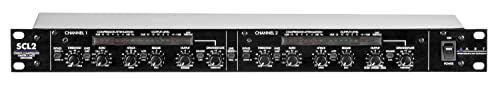
- Dual-channel or linked stereo operation
- Balanced TRS and XLR inputs
- Auto/manual attack and release options
Best For: rack-based stereo or dual-channel dynamics control
Pedalboard Optical Compression
UA LA2A Studio Compressor Pedal

- LA-2A optical tube compressor emulation
- Compact stompbox design
- Mix control for parallel compression
Best For: pedalboard players wanting classic optical compression
Inline Mic Leveling
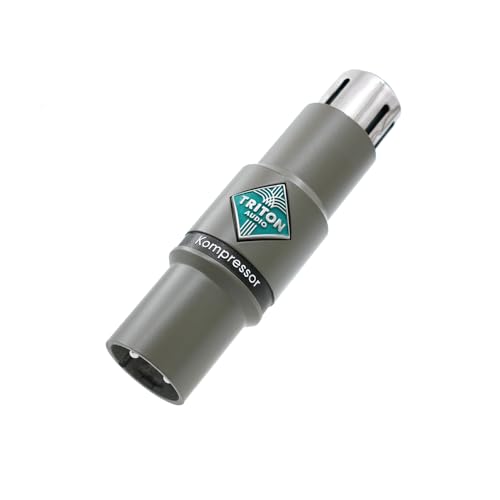
- In-line FET-OPTO compressor and preamp
- 25 dB gain boost for dynamic and ribbon mics
- One-knob control with phantom blocking
Best For: podcasters and recording users needing inline mic control
Compact Stompbox 1176 Tone
Universal Audio 1176 Compressor Limiter Pedal

- Authentic 1176LN emulation in a compact pedal
- Single, Dual, Sustain, and parallel modes
- Includes all-buttons-in ratio setting
Best For: Guitarists seeking classic 1176-style compression in pedal form
Rack-Style Classic FET
Warm Audio WA76 Single Channel Discrete Compressor

- Classic ’76-style design and performance
- Fully discrete signal path with CineMag transformers
- Includes all-buttons-in ratio setting
Best For: Studio users wanting a familiar FET compressor with transformer tone
Warm Tube Optical Control
Warm Audio WA-1B Optical Compressor

- 1-channel tube optical compressor
- Warm, balanced, versatile sound profile
- Portable design with rackmount chassis
Best For: Engineers wanting a smooth optical compressor with tube warmth
Studio-Ready Dual-Channel Compressor – Compact 1U Rack Dynamics Control
If you want compact audio compressors that can handle studio, live, or streaming duties, this 1U rackmount unit gives you dual-channel control, Overeasy compression, and auto attack/release settings in a space-saving format. It’s built for clean routing with XLR/TRS connectivity and adds practical tools like a noise gate and sidechain insert.
Best For: Vocal tracking, streamed performances, and small racks that need flexible dual-channel dynamics.
Pros:
- Dual-channel design suits two sources or stereo processing.
- Overeasy compression and auto attack/release aim for smooth, natural control.
- Built-in noise gate helps reduce unwanted background noise.
- Sidechain insert adds frequency-ducking flexibility for bass or kick drum work.
Cons:
- Rackmount form factor is less portable than pedal-style compressors.
- Best value depends on whether you actually need dual channels and sidechain routing.
This is a practical pick if you need a compact audio compressor with studio-style connectivity and a more feature-rich control set than a basic single-channel unit. It looks especially useful when you want one box that can cover vocals, instruments, and live signal cleanup.
Budget Rack Workhorse – Behringer MDX2600 with De-esser
Among compact audio compressors, this 2-channel rack unit stands out as a straightforward compressor/limiter/gate with an added de-esser. It’s designed for audio production, mixing, and mastering, making it a useful utility piece when you need dependable dynamics control without a lot of fuss.
Best For: General-purpose rack compression, gating, and de-essing in a modest studio setup.
Pros:
- Combines compressor, limiter, gate, and de-esser functions in one unit.
- Two channels make it useful for stereo or dual-source workflows.
- Compact rack format fits neatly into a studio chain.
- Backed by a 2-year warranty.
Cons:
- The supplied details are lighter on advanced control features than some alternatives.
- Rackmount design is not the most portable option.
This model is best viewed as a practical utility compressor for users who want a lot of basic processing in one compact box. If you need de-essing plus gating alongside compression, it covers the essentials cleanly.
Feature-Packed Vocal Rack Compressor – Dual-Channel Sidechain Control
If you’re comparing compact audio compressors for studio, live, or streaming use, this dual-channel rackmount model offers a strong feature set in a simple 1U design. It includes Overeasy compression, adjustable attack and release, a noise gate, LED metering, and a sidechain input for targeted low-end control.
Best For: Vocal processing, live sound, and compact racks that need detailed dynamics tools.
Pros:
- Dual-channel design supports multiple sources or stereo use.
- Classic VCA circuitry is aimed at clearer, warmer vocals.
- Noise gate and LED indicators make setup and monitoring easier.
- Sidechain insert is useful for bass and kick drum ducking.
Cons:
- Rackmount format may be more than casual users need.
- Feature set is focused on control, so simple plug-and-play buyers may not use everything.
This is a well-rounded choice if you want a compact rack compressor with more hands-on dynamics shaping than a basic pedal or utility unit. It’s especially appealing for users who value vocal presence and routing flexibility.
Pedalboard Favorite – MXR Studio Compressor M76
If you want compact audio compressors in the smallest practical format, this pedal-sized model is built for guitar players who need clean, consistent compression without taking up much board space. It uses constant headroom technology, offers ten gain-reduction LEDs, and keeps the signal path simple with true bypass.
Best For: Guitar pedalboards and players who want a small, studio-style compressor on the floor.
Pros:
- Phase 90-sized enclosure is easy to fit on crowded pedalboards.
- Constant headroom technology is designed for clear, clean performance.
- Ten gain-reduction LEDs provide useful visual feedback.
- True bypass helps preserve signal when the effect is off.
Cons:
- Single-pedal format is not meant for rack-style studio routing.
- Limited to 1/4-inch analog connections, so it’s focused on instrument use.
This is the most portable option in the group and makes sense if your priority is keeping compression compact and pedalboard-friendly. It’s a strong fit for players who want studio-style control in a straightforward guitar pedal.
Rack Dynamics Control – ART SCL2 Dual/Stereo Compressor/Limiter
If you’re shopping for compact audio compressors in a rack format, the ART SCL2 gives you dual-channel processing with linked stereo operation for straightforward control over a mix bus or paired sources. It also includes compression, limiting, expander, and gate functions, so it can handle both level control and cleanup in one unit.
Best For: Users who want a compact dual-channel or stereo compressor/limiter for rack-based studio or live signal control.
Pros:
- Dual-channel or linked stereo operation for flexible use
- Balanced 1/4-inch TRS and XLR inputs for common studio connections
- Selectable auto/manual attack and release for control over response
- Precise LED level meters for monitoring gain activity
Cons:
- Rack-style unit is less portable than pedal or in-line options
- Controls are more involved than a one-knob compressor
The SCL2 is a practical choice when you need a compact audio compressor that does more than basic leveling. Its stereo-linking, metering, and gate/expander tools make it a solid fit for users who want one processor to cover multiple dynamics tasks.
Pedalboard Optical Compression – UA LA2A Studio Compressor Pedal
For players looking at compact audio compressors in pedal form, the Universal Audio LA2A Studio Compressor Pedal brings an emulation of the classic LA-2A optical tube compressor into a small stompbox. It adds mix control for parallel compression, plus a Stock/Fast attack switch and true/buffered bypass for practical pedalboard use.
Best For: Guitarists and pedalboard users who want a compact LA-2A-style compressor with easy parallel control.
Pros:
- Authentic emulation of the Teletronix LA-2A optical tube compressor/limiter
- Compact stompbox format for pedalboards
- Mix control makes parallel compression easy to set
- Stock/Fast attack switch plus true/buffered bypass
Cons:
- Designed as a pedal, so it is not a rack studio compressor
- Requires 9V power, which may add pedalboard power planning
This is a strong option if you want the LA-2A style in a portable format without losing the core compression feel. The mix control and attack switch make it easier to tailor the response for different instruments and playing styles.
Inline Mic Leveling – Triton Audio Kompressor
If you need compact audio compressors for microphones, the Triton Audio Kompressor is an in-line XLR barrel that combines compression with a 25 dB gain boost. It is aimed at dynamic and ribbon microphones, and its one-knob control makes it easy to dial in more or less compression directly at the source.
Best For: Podcasters and recording users who need compact inline compression and extra gain for low-output mics.
Pros:
- In-line FET-OPTO compressor and microphone preamp in one compact unit
- 25 dB gain boost for low-output dynamic and ribbon microphones
- One-knob control simplifies setting compression
- Blocks phantom power from reaching the microphone for ribbon mic protection
Cons:
- Requires 48V phantom power to operate
- Single-knob design offers less detailed control than multi-control compressors
The Kompressor is a focused solution when you want clean gain and simple dynamics control right at the mic. Its combination of gain, compression, and ribbon-safe phantom blocking makes it especially practical for spoken-word and source-level leveling.
Compact Stompbox 1176 Tone – Universal Audio 1176 Compressor Limiter Pedal
For players comparing compact audio compressors, this pedal delivers an authentic emulation of the 1176LN Limiting Amplifier in a true stompbox format. It keeps the classic 1176 control layout with Input, Output, Attack, and Release, while adding Single, Dual, Sustain, and parallel compression options for a wide range of guitar compression textures.
Best For: Guitarists who want classic 1176-style compression in a compact pedal with flexible modes.
Pros:
- Authentic emulation of the 1176LN in a compact stompbox
- Single, Dual, and Sustain modes expand compression options
- Ratio knob includes “all buttons in” mode for gritty textures
- True/buffered bypass adds routing flexibility
Cons:
- Designed as a guitar pedal, not a rack compressor
- Requires 9V DC power and 250 mA
- Limited to 1/4-inch audio connectivity
This is a strong pick if you want the sound and workflow of a famous studio compressor in pedal form. It leans into classic character and compression variety rather than general-purpose studio utility.
Rack-Style Classic FET – Warm Audio WA76 Single Channel Discrete Compressor
Among compact audio compressors in rack form, the Warm Audio WA76 focuses on the classic ’76 compressor design and performance. It uses a fully discrete signal path, custom CineMag USA transformers, and the famous “all buttons in” ratio setting to deliver the familiar behavior people look for in a 1176-style compressor.
Best For: Studio users who want a classic discrete compressor with transformer color and fast, familiar operation.
Pros:
- True to the classic ’76 compressor design and performance
- Fully discrete signal path
- Custom CineMag USA transformers
- Supports the “all buttons in” ratio setting
Cons:
- Rack unit is not as portable as a pedal
- Heavier at 8.9 pounds
- Requires dedicated power supply setup
The WA76 is a straightforward choice if your priority is classic compressor character in a professional studio format. Its feature set stays focused on the vintage-inspired behavior users expect from this style of compressor.
Warm Tube Optical Control – Warm Audio WA-1B Optical Compressor
If you are shopping compact audio compressors for a smooth optical-style option, the Warm Audio WA-1B brings a 1-channel tube optical design in a portable package. Its warm, balanced, versatile sound profile makes it a practical fit when you want straightforward compression with a softer overall character.
Best For: Engineers and creators looking for a warm, versatile optical compressor with tube character.
Pros:
- 1-channel tube optical compressor design
- Warm, balanced, versatile sound profile
- Portable form factor with rackmount chassis included
Cons:
- Bulkier than a pedal-style compressor
- Listed with a large physical footprint
- Less specialized for aggressive compression textures
The WA-1B stands out as a smooth optical choice when you want compression that emphasizes warmth and balance. It is best suited to users who value musical control over hard-edged character.
How We Picked These Compact Audio Compressors
We focused on units that balance sound quality, size, and flexibility. That means looking at format, channel count, control range, noise performance, and how well each model fits common use cases like tracking, live sound, broadcast, and pedalboard-based signal chains. For Compact Audio Compressors, usability matters just as much as spec sheets.
Quick Comparison
Some options are best for rack-mounted studio and live processing, while others are designed for inline mic control or pedalboard use. Dual-channel models suit stereo sources and buses, single-channel units are better for focused vocal or instrument control, and optical or FET designs each bring a different compression feel. Choosing the right style depends on whether you want transparency, character, or simple set-and-forget control.
Key Buying Factors for Compact Audio Compressors
Format and Space
Start with the physical layout. Rack units work well in studios and live rigs, while pedals and inline processors make more sense for small spaces, mobile setups, and direct signal chains.
Channel Count
Single-channel compressors are ideal for vocals, bass, and lead instruments. Dual-channel or stereo units are better for stereo keyboards, drum overheads, mix buses, and paired sources that need matched control.
Compression Character
Optical compressors are often smoother and more musical, while FET-style designs tend to react faster and sound more forward. VCA-based units usually offer clean, flexible control for a wide range of jobs.
Extra Tools
Features like sidechain inserts, noise gates, de-essers, and limiter modes can make a compressor much more useful in real-world sessions. If you record vocals often, those extras may save time and cleanup later.
Connectivity and Gain Structure
Check for XLR, TRS, and insert options that match your gear. Make sure the unit has enough headroom and gain to work cleanly with your microphones, interfaces, or live console.
Who Should Buy Which Compact Audio Compressors?
If you want a transparent all-rounder, choose a flexible rack compressor with broad control options. If you want classic color and punch, a FET or optical design may be the better fit. For small studios, streamers, and mobile rigs, compact inline or pedal compressors are often the easiest way to get polished dynamics without extra hardware clutter. In short, the best Compact Audio Compressors are the ones that match your signal chain, workflow, and the amount of character you actually want to hear.