Need a fast way to clone, erase, or prepare multiple USB drives without tying up a computer? The best USB duplicators under 300 can save time for schools, offices, event teams, and resellers.
In this roundup, we focus on compact, standalone, and computer-connected options that balance speed, simplicity, and value for small-batch duplication jobs.
Best 10 USB Duplicators Under 300 Picks for 2026
Standalone USB Cloner/Eraser
StarTech 1:2 USB Flash Drive Duplicator Eraser

- No-PC 1-to-2 duplication and erase functions
- LCD menu with Copy & Compare verification
- Supports quick erase and 3-pass overwrite options
Best For: Technicians and IT pros handling small USB copy or wipe jobs
Multi-Target Standalone Cloner
USB131SA 1 to 31 Standalone USB Duplicator
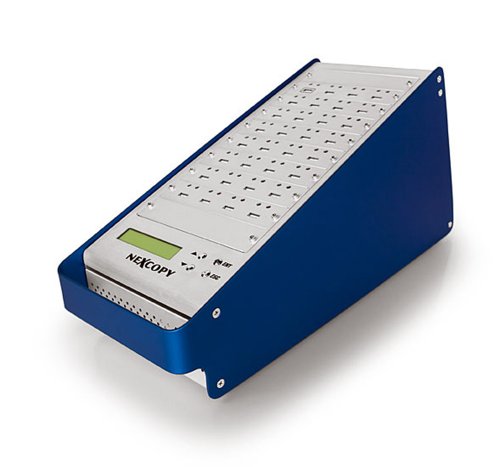
- Clones one master to as many as 31 targets
- No computer or software required
- LCD gives real-time status and performance feedback
Best For: High-volume USB duplication jobs that need many copies at once
Software-Based USB Copier
DupliM Mini 1 to 10 USB Duplicator

- Copies up to 10 drives at once
- Works with Windows and Mac software
- Supports image files, drives, and folders
Best For: Mac or PC users who want a compact connected duplicator
SATA Offline Clone Dock
WAVLINK Dual Bay Clone Station

- Offline cloning for two SATA drives
- Supports 2.5-inch and 3.5-inch HDDs/SSDs
- USB 3.0 with UASP and tool-free use
Best For: People who need a dual-bay offline clone dock for SATA drives
Standalone Cloner with Secure Erase
Vinpower 1-to-3 USB Duplicator
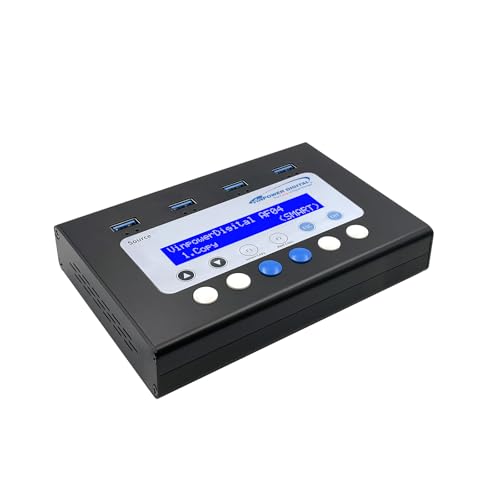
- No-PC standalone USB duplication
- Smart Copy and Raw Copy modes
- DoD secure erase and Read Error Skip
Best For: IT, office, and business USB drive duplication
Portable Batch Copier
EZ Dupe Mini USB Plus MK II 1-to-4
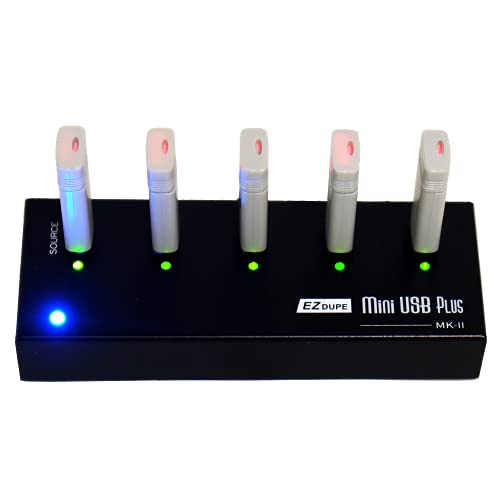
- Copies 4 drives at once in standalone mode
- Updated version with faster claimed speed
- Supports USB 1.0/2.0/3.0 flash media
Best For: Portable batch duplication of multiple thumb drives
Powered Multi-Port USB Hub
SUNGOOYUE 16-Port USB Hub Tester

- Turns one USB port into 16 ports
- Powered 5V 3A desktop design
- LED indicators and short-circuit protection
Best For: Multi-device testing and USB port expansion
Dual-Bay SATA Cloning Dock
StarTech SDOCK2U313R dual-bay SATA duplicator dock
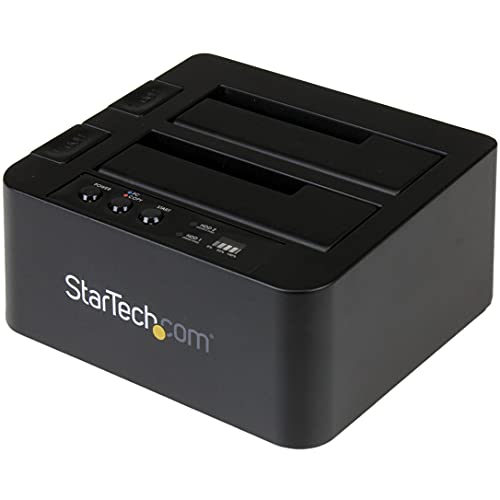
- Standalone cloning, no computer required
- Works with 2.5/3.5" SATA HDDs and SSDs
- Also acts as a USB-to-SATA dock
Best For: IT pros needing a flexible SATA duplicator and dock
Portable 1:2 Flash Duplicator
BestDuplicator UB300 1-to-2 USB flash drive copier

- Copies one USB flash drive to two targets
- Quick Copy and Whole Media Copy modes
- Includes erase and media test tools
Best For: Technicians who need portable flash drive duplication
Seven-Bay USB Sanitizer
Systor SYS-USBD-7 1-to-7 USB duplicator and sanitizer

- Copies one source to up to seven targets
- Standalone with no software required
- Supports synchronous and asynchronous modes
Best For: Organizations that need multi-drive USB duplication
Standalone USB Cloner/Eraser – StarTech 1:2 USB Flash Drive Duplicator Eraser
If you need usb duplicators under 300 for small-batch drive copying or secure wipe jobs, this StarTech standalone unit is built for practical IT work. It handles both duplication and erasing without a computer, and the LCD/menu controls make it easy to monitor status, check drive info, and verify copies.
Best For: Technicians and IT pros who need a no-PC USB cloner/eraser for small quantities.
Pros:
- Standalone 1-to-2 duplication and erasing, so no computer is required.
- Supports USB 3.0/2.0 flash media and external USB storage.
- Offers system/file copy, sector-by-sector copy, quick erase, and multi-pass overwrite options.
- Copy & Compare verification helps confirm cloned drives match the source.
Cons:
- Copies to only two drives at a time.
- Asynchronous mode is limited to source content under 64 MB.
- Best suited to flash drives and USB storage, not a broad all-purpose duplicator.
This is a solid pick when reliability and drive wiping matter more than high-volume throughput. The combo of standalone operation, verification, and erase tools makes it especially useful for office, lab, and field deployments.
Multi-Target Standalone Cloner – USB131SA 1 to 31 Standalone USB Duplicator
For usb duplicators under 300 focused on volume, this standalone 1-to-31 unit is aimed at faster multi-drive distribution without needing a PC or software. It’s designed for masters up to 256 MB and gives real-time LCD feedback, which is useful when you need to monitor a larger cloning run.
Best For: Users who need to copy one USB master to many targets at once in a standalone setup.
Pros:
- Copies from 1 master to up to 31 target drives.
- Standalone operation requires no computer or software.
- Asynchronous duplication supports masters up to 256 MB.
- LCD status and performance feedback help track the process.
Cons:
- Heavy 18-pound design is less portable than smaller units.
- Asynchronous mode is limited to smaller master files.
- Specific drive-format support details are not provided in the notes.
This model makes sense when scale matters more than size. If your workflow centers on distributing the same small master image to many flash drives, the 1-to-31 layout is the standout feature.
Software-Based USB Copier – DupliM Mini 1 to 10 USB Duplicator
If you want usb duplicators under 300 and prefer a software-driven workflow, this compact DupliM unit duplicates up to 10 drives at once from files, folders, image files, or a source flash drive. It connects to Windows or Mac and uses USB 3.0 to keep the process straightforward for office or lab use.
Best For: Windows and Mac users who want a compact, computer-connected duplicator for up to 10 drives.
Pros:
- Duplicates up to 10 USB 3.0/2.0 drives simultaneously.
- Works with Windows and Mac using the included DupliM software suite.
- Can duplicate from image files, flash drives, or selected files/folders.
- Includes USB 3.0 cable, power adapter, and U.S.-based tech support.
Cons:
- Requires a connected computer, so it is not standalone.
- Needs compatible Windows or Mac system requirements to run the software.
- It’s a specialized copier, so it’s less suited to offline workflows.
This is a practical choice when you want flexibility and a smaller footprint rather than a standalone kiosk-style duplicator. The ability to copy from several source types makes it useful for varied desktop workflows.
SATA Offline Clone Dock – WAVLINK Dual Bay Clone Station
For buyers comparing usb duplicators under 300, this WAVLINK dual-bay dock is a useful alternative when your duplication task is really about SATA drives rather than flash media. It supports offline cloning between two 2.5-inch or 3.5-inch drives, and the USB 3.0/UASP design makes it practical for backup and transfer work.
Best For: Users who need an offline clone dock for two SATA hard drives or SSDs.
Pros:
- Offline clone function works with no computer involved.
- Supports 2.5" and 3.5" SATA HDDs and SSDs up to 2x20TB.
- USB 3.0 with UASP and up to 5 Gbps transfer rates.
- Tool-free, hot-swappable, and plug-and-play for easier everyday use.
Cons:
- It duplicates SATA drives, not USB flash drives.
- Only supports cloning between two drives at a time.
- Requires the target drive to be equal to or larger than the source.
This is the right pick if your goal is drive cloning and backup rather than thumb-drive duplication. The offline mode and broad OS support make it versatile for storage maintenance across different systems.
Standalone Cloner with Secure Erase – Vinpower 1-to-3 USB Duplicator
If you need usb duplicators under 300 for small-batch deployment, this Vinpower unit is built for standalone copying without a PC. It supports Smart Copy for faster file-level duplication, Raw Copy for bit-by-bit cloning, and even includes secure erase functions for handling drives that need to be wiped before reuse.
Best For: IT teams, offices, and organizations that need a compact standalone USB cloner with erase features.
Pros:
- Standalone operation means no computer is required.
- Smart Copy and Raw Copy give you flexibility for different duplication jobs.
- Includes DoD 5220.22-M secure erase support for sanitizing drives.
- Read Error Skip can help recover more readable data from damaged media.
Cons:
- Copies up to 3 drives at once, which is lower than some larger units.
- Designed for business use, so it may be more than casual users need.
This is a practical pick if you want a professional USB duplicator that also doubles as an eraser. The compact design and standalone workflow make it a strong fit for controlled environments where data handling matters.
Portable Batch Copier – EZ Dupe Mini USB Plus MK II 1-to-4
For buyers comparing usb duplicators under 300, this EZ Dupe model stands out for portable batch copying and a simple standalone setup. It can duplicate up to 4 USB flash drives at the same time, supports USB 1.0, 2.0, and 3.0 media, and is rated for faster copy speeds than the original version.
Best For: Users who want a compact standalone duplicator for copying multiple flash drives at once.
Pros:
- Copies up to 4 USB drives simultaneously.
- Standalone design means no computer is needed.
- Updated version claims 25% faster copy speed than the original.
- Supports USB flash drives and external USB storage with its own power source.
Cons:
- External USB devices must have their own power source.
- Copy speed depends on the read/write speed of the flash drives being used.
This is a flexible choice if you want a small, easy-to-deploy copier for multiple thumb drives. The asynchronous copying and portable design make it useful when you want efficiency without a full desktop setup.
Powered Multi-Port USB Hub – SUNGOOYUE 16-Port USB Hub Tester
If your version of usb duplicators under 300 leans more toward testing and multi-device handling, this SUNGOOYUE hub is aimed at large port expansion rather than dedicated cloning. It turns one USB connection into 16 USB 2.0 ports, includes LED status indicators, and adds short-circuit protection for safer device handling.
Best For: Workbenches and office setups that need a powered multi-port USB hub for testing or transfer tasks.
Pros:
- Expands a single USB port into 16 USB 2.0 ports.
- Powered desktop design provides stable 5V 3A operation.
- LED indicators show port status and short-circuit alerts.
- Plug-and-play compatibility with no driver installation required.
Cons:
- It is a hub/tester style device, not a dedicated standalone cloner.
- USB 2.0 performance is more limited than newer high-speed interfaces.
This is best viewed as a utility device for managing many USB connections at once. If you need a true drive duplicator, the other two options are a better fit, but this one can still be useful for multi-device workflows.
Dual-Bay SATA Cloning Dock – StarTech SDOCK2U313R dual-bay SATA duplicator dock
If you want a versatile option among usb duplicators under 300, this StarTech dock stands out because it can clone two SATA drives without a computer and also work as a USB-to-SATA docking station. It is built for 2.5″ and 3.5″ SATA HDDs and SSDs, so it fits both quick drive access and standalone sector-by-sector duplication jobs.
Best For: IT pros who need a no-PC SATA duplicator and dock in one unit.
Pros:
- Standalone sector-by-sector cloning with no computer required.
- Supports 2.5/3.5″ SATA HDDs and SSDs, including 4Kn drives.
- Also functions as a USB to SATA adapter for drive access over USB.
- Tool-less, tray-less top-loading design with eject buttons.
Cons:
- Target disk must be equal to or larger than the source disk.
- IDE drives need a separate adapter sold separately.
For SATA cloning and dock duties in one package, this is a practical pick for technicians who value standalone operation and broad drive compatibility. Its faster USB 3.2 Gen 2 connection is a bonus for host-based access, but the main strength is its no-software duplication workflow.
Portable 1:2 Flash Duplicator – BestDuplicator UB300 1-to-2 USB flash drive copier
For buyers comparing usb duplicators under 300, the BestDuplicator UB300 is a simple standalone 1-to-2 flash drive copier that can duplicate one source to two target USB drives at the same time. It focuses on USB 1.1 and USB 2.0 media, making it a straightforward choice when you need reliable flash drive cloning without a computer.
Best For: Small teams and technicians duplicating USB flash drives in the field.
Pros:
- Duplicates one USB flash drive to two targets simultaneously.
- Supports Quick Copy and Whole Media Copy modes.
- Includes capacity check, device info, speed test, and erase functions.
- Compact standalone design with LCD display and port indicators.
Cons:
- Designed for USB 1.1 and USB 2.0 media, not newer high-speed flash drives.
- Best results come from source and target media of similar capacity.
This is a practical, portable duplicator if your workflow centers on basic USB flash media and simple operational controls. The extra testing and erase tools add value for deployment and verification tasks, even though its media support is limited to older USB generations.
Seven-Bay USB Sanitizer – Systor SYS-USBD-7 1-to-7 USB duplicator and sanitizer
If you need a higher-capacity option in the usb duplicators under 300 category, the Systor SYS-USBD-7 is built to copy one USB source to as many as seven drives at once. It is a complete standalone unit with synchronous and asynchronous copy modes, plus sanitizing capability for users who need both duplication and drive cleanup.
Best For: Businesses and IT teams that need multi-target USB duplication and sanitizing.
Pros:
- Copies one source USB drive to up to seven targets.
- Standalone operation with no computer or software required.
- Supports synchronous and asynchronous copy modes.
- Rated up to 2GB per minute, with the speed staying consistent as loads increase.
Cons:
- Desktop unit is large and heavy compared with portable duplicators.
- USB drive focus may not fit users looking for a general-purpose docking solution.
This model makes sense when throughput and batch size matter more than portability. Its 1-to-7 layout is especially useful for organizations that need repeated, hands-off USB duplication or sanitizing in one dedicated workstation.
How We Picked These USB Duplicators Under 300
We prioritized units that fit real-world small-volume workflows: standalone operation, straightforward controls, clear status indicators, and enough throughput to make batch jobs practical. We also considered whether a model is better suited for flash media duplication, sanitizing, or broader storage-dock use.
Because USB Duplicators Under 300 vary widely in design, we gave extra weight to reliability, support for common thumb drives, and the ease of learning the workflow without special software.
Quick Comparison
At this price point, the main tradeoff is capacity versus convenience. 1:2 and 1:4 units are ideal for simple, repeatable jobs. Larger standalone stacks are better for higher output, while dock-style products make sense if you also need SATA drive handling alongside USB tasks.
Key Buying Factors for USB Duplicators Under 300
Target Media
Make sure the unit is built for flash drives if that is your main use case. Some products in this range are designed for HDDs and SSDs instead, so check compatibility before buying.
Standalone Vs. Computer-Connected
Standalone units are usually the best choice for speed and simplicity. Computer-connected models can be useful when you want more control, but they add setup steps and depend on a host system.
Copy Speed and Workflow
Look for realistic throughput, not just headline numbers. Fast cloning matters most when you run repeated jobs, while erase and test functions are important for resellers, IT teams, and media prep.
Port Count and Expansion
A 1:2 unit works well for occasional duplication, while 1:4 or 1:7 models can improve efficiency for larger batches. High-port-count units are useful only if you regularly need to process many drives at once.
Who Should Buy Which USB Duplicators Under 300?
Choose a compact 1:2 or 1:3 model if you need portability, low complexity, and occasional duplication. Go with a 1:4 to 1:7 unit if you handle frequent bulk jobs and want better throughput per session. If your workflow includes both USB media and SATA drives, a dock-style solution may be the smarter value even if duplication is only one part of the job.
For most buyers comparing USB Duplicators Under 300, the best choice is the model that matches your drive type, daily volume, and need for standalone operation. That way you avoid overpaying for capacity you will not use.