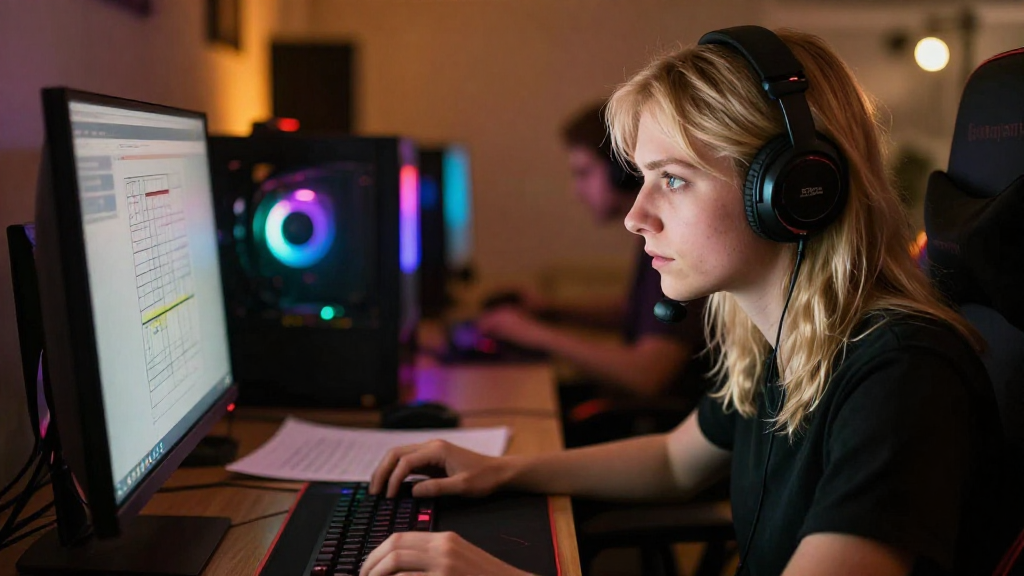
In the world of gaming, the ability to solve problems is not just a skill; it’s a necessity. Understanding how gamers break down problems is essential for appreciating their unique approach to challenges and decision-making.
What Techniques Do Gamers Use to Solve Problems?
Gamers utilize a diverse array of techniques to tackle challenges in their games. These skills extend far beyond the digital realm and can be applicable in real-life scenarios. Here are some of the main strategies:
-
Analytical Thinking
Gamers are trained to analyze situations rapidly.
They assess the strengths and weaknesses of their options, enabling them to decide strategically. -
Pattern Recognition
Many games present similar challenges repeatedly.
Gamers become experts at recognizing patterns, allowing them to predict outcomes and make informed decisions. -
Trial and Error
Failure is a common occurrence in gaming.
Gamers often experiment with various strategies, learning from their mistakes until they find the right solution. -
Resource Management
In many games, managing resources such as time, health, and in-game currency is vital.
Gamers excel at optimizing these elements to achieve their goals effectively. -
Collaboration and Communication
Multiplayer games often require teamwork.
Gamers learn to communicate effectively and work together to solve problems that would be difficult to tackle alone.
How Do Gamers Identify Problems?
Identifying problems is the first step in how gamers break down problems. They often employ several methods:
- Observation
- Gamers are keen observers.
-
They notice details in the game environment, which can signal an impending challenge or obstacle.
-
Critical Thinking
- They question the status quo.
-
Instead of accepting things as they are, gamers analyze situations critically and ask themselves why certain things happen.
-
Feedback Analysis
- In countless games, feedback is given through scores, health bars, or visual cues.
- Gamers continually assess this feedback to identify when problems arise.
What Makes Gamers So Efficient at Problem Solving?
Gamers often exhibit remarkable efficiency in their problem-solving skills. Here are some unique aspects that set them apart:
High Levels of Engagement
- Immersion: Gamers become deeply immersed in their virtual worlds, fostering a strong emotional connection to the challenges they face.
- Motivation: The desire to achieve success in the game motivates gamers to persist through difficult problems.
Mental Flexibility
- Adaptability: Gamers frequently switch between different strategies and tactics, adapting to new problems as they arise.
- Creativity: They think outside the box, often employing unconventional methods to solve challenges.
Time Management
- Prioritization: Gamers quickly learn to prioritize tasks based on urgency and importance, allowing them to focus on solving critical problems first.
- Pacing: In many games, time is a significant factor. Gamers become adept at making quick decisions without sacrificing quality.
How Do Gamers Apply Their Problem-Solving Skills in Real Life?
The skills developed through gaming can translate effectively into everyday life situations. Here’s how:
Effective Decision-Making
- Weighing Pros and Cons: In both gaming and life, the ability to assess the pros and cons of different choices helps gamers make informed decisions.
Improved Social Skills
-
Collaboration: Team-based games cultivate a spirit of cooperation and collaboration, important in personal and professional settings.
-
Communication: Gamers develop strong verbal and non-verbal communication skills, essential for effective teamwork.
Resilience and Persistence
- Overcoming Challenges: Gamers are used to facing failure and learn to bounce back, demonstrating persistence in personal and professional challenges.
Analytical Skills
- Data Utilization: Gamers often use data and statistics to inform their decisions, a skill that serves them well in data-driven environments.
How Do Gamers Stay Calm Under Pressure?
One of the standout qualities in how gamers break down problems is their ability to maintain composure under pressure. Here are some strategies they employ:
-
Focus on Breathing: Many gamers consciously manage their breathing to maintain calmness during high-pressure moments.
-
Practice Makes Perfect: Repeated exposure to stressful situations in games equips them with the experience needed to handle real-life pressures.
-
Mindfulness Techniques: Some gamers engage in mindfulness practices, which help them stay grounded and focused.
What Are the Long-Term Benefits of Problem-Solving Skills in Gaming?
The skills honed through gaming can result in long-term advantages for individuals. These include:
-
Career Opportunities: Companies are increasingly recognizing the value of problem-solving skills, and gamers often excel in roles that require analytical thinking.
-
Lifelong Learning: Gamers often have a growth mindset, continuously seeking new challenges that promote personal and professional development.
Conclusion: Transforming Challenges into Opportunities
In conclusion, understanding how gamers break down problems reveals valuable insights into their mindset and experiences. Their unique strategies, from analytical thinking to collaboration, not only help them succeed in the gaming world but also offer excellent skills for tackling real-life challenges.
As gaming continues to evolve, so too will these problem-solving techniques.
Embracing these approaches can lead to enhanced critical thinking, improved decision-making, and greater success in various aspects of life.
By examining and adopting these strategies, anyone can harness the power of problem-solving skills—proving that gamers have much to teach us all in today’s complex, fast-paced world.