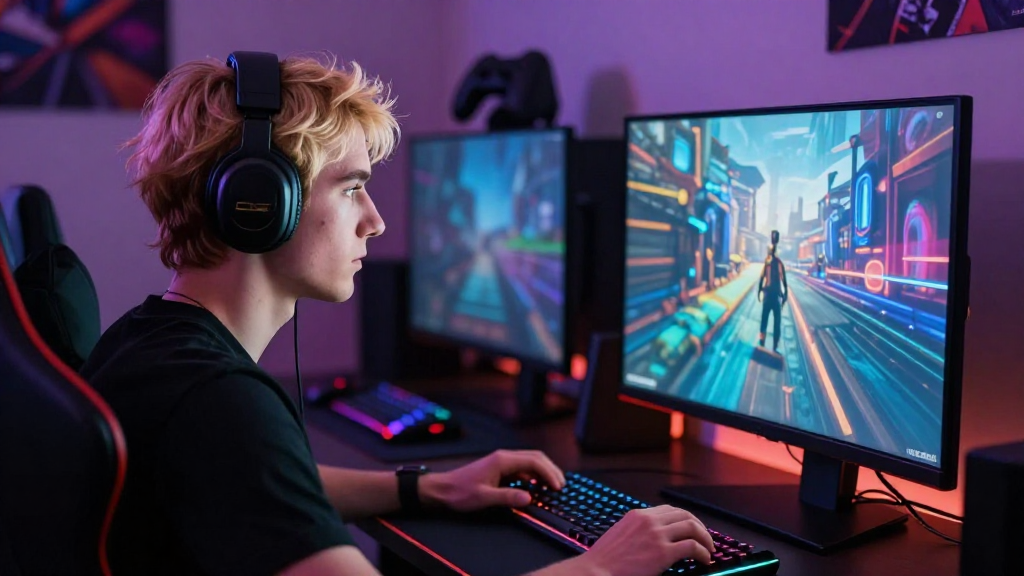
In the realm of gaming and adjustment learning, players evolve, adapt, and refine their strategies to enhance their experience. But what exactly does this mean, and how does it impact gameplay?
What Is Adjustment Learning in Gaming?
Adjustment learning refers to the process by which players modify their strategies based on in-game experiences.
This process can be influenced by:
- Game mechanics
- Player interactions
- Environmental variables
As gamers face challenges, they learn to adjust their approaches to achieve better outcomes. This dynamic element is crucial in various game genres, including role-playing, strategy, and simulation games.
How Does Adjustment Learning Work in Gaming?
At its core, adjustment learning in gaming entails a few critical components:
-
Feedback Mechanism: Players receive constant feedback from their actions, whether through score changes, visual cues, or verbal responses from non-player characters (NPCs).
-
Cognitive Processing: Gamers analyze the received feedback to identify what’s working or what needs improvement.
-
Strategy Modification: Based on cognitive processing, players alter their strategies and techniques to overcome obstacles or enhance performance.
-
Repetition and Reinforcement: Through practice, the learned adjustments become instinctive, leading to improved gameplay over time.
Why Is Adjustment Learning Important in Gaming?
Is Adjustment Learning Essential for Success?
Absolutely! In gaming, adjustment learning is vital for several reasons:
-
Enhanced Problem-Solving Skills: Players develop critical thinking and adaptability as they learn to find solutions within the game.
-
Increased Engagement: Those who actively adjust their gameplay tend to become more invested in the experience, leading to prolonged play sessions.
-
Skill Development: Continuous adjustment allows gamers to refine their skills, making them more competitive in multiplayer settings.
-
Immersive Experiences: Games that encourage adjustment learning create environments where players feel challenged yet capable, contributing to a rich gaming experience.
What Games Use Adjustment Learning?
Which Genres Benefit the Most?
Gaming and adjustment learning thrive in various genres, particularly those that require strategy and quick thinking. Here’s a look at some prominent ones:
-
Strategy Games: Titles like StarCraft and Civilization rely heavily on players adjusting their tactics based on opponents’ moves and game mechanics.
-
Role-Playing Games (RPGs): Games like Dark Souls challenge players to adapt their strategies to defeat powerful enemies and navigate complex environments.
-
Simulation Games: In simulation titles such as The Sims and Cities: Skylines, players learn to manage resources and adapt to ever-changing scenarios.
-
Puzzle Games: Tetris and Portal require players to adjust their approaches to solve increasingly complex challenges.
How Can Players Improve Their Adjustment Learning Skills?
What Strategies Help in Adjustment Learning?
Players looking to enhance their adjustment learning abilities can adopt several strategies:
-
Active Learning: Focus on understanding game mechanics rather than memorizing patterns.
-
Experimentation: Try different playstyles to discover what works best in various situations.
-
Reflective Play: After each session, take the time to analyze what strategies were effective and which weren’t.
-
Community Engagement: Participate in forums or watch streams to learn from other players’ experiences and adjustments.
-
Adaptive Mindset: Cultivate a mindset that views challenges as opportunities to learn and improve rather than obstacles.
What Are the Benefits of Mastering Adjustment Learning?
How Does It Influence Gameplay?
Mastering adjustment learning can significantly enhance a player’s overall gaming experience. Here’s how:
-
Higher Success Rates: Adaptable players often find more success, overcoming challenges that less flexible gamers might struggle with.
-
Satisfaction and Enjoyment: Achieving a goal through adjustment learning leads to a satisfying sense of accomplishment and enjoyment.
-
Community Recognition: Skilled players who can adapt and learn are often respected within the gaming community, leading to collaborations and friendships.
What Are the Challenges of Adjustment Learning in Gaming?
What Barriers Might Players Face?
While adjustment learning is beneficial, several challenges can arise including:
-
Frustration Levels: Frequent failures can lead to frustration, making it harder for players to adjust successfully.
-
Game Design Limitations: Some games may not offer adequate feedback for effective adjustment learning, hindering player growth.
-
Cognitive Overload: Too many variables can overwhelm players, making it difficult to isolate which adjustments are necessary.
How Do Developers Facilitate Adjustment Learning?
What Tools Do Game Designers Use?
Game developers are increasingly recognizing the importance of adjustment learning in gaming. They employ various methods to facilitate this process:
-
Adaptive AI: Intelligent systems that adjust difficulty levels based on player performance encourage adjustments.
-
In-Game Tutorials: Tutorial systems that provide feedback help players learn the mechanics efficiently.
-
Dynamic Difficulty Adjustment: Some games change difficulty in real-time to maintain a balance between challenge and player skill level.
-
Feedback-Rich Environments: Games designed to provide clear and concise feedback help players understand their mistakes and learn from them.
Conclusion: The Future of Adjustment Learning in Gaming
As the gaming landscape continues to evolve, the role of gaming and adjustment learning will become even more prominent.
From artificial intelligence that adapts to player behavior to sophisticated mechanics that encourage innovative strategies, the future holds immense promise.
By understanding and mastering adjustment learning, players can elevate their gaming experience, achieving greater success and satisfaction.
In conclusion, adjustment learning plays a pivotal role in the gaming world, allowing players to enhance their skills, improve their strategies, and ultimately, enjoy the gaming experience to its fullest. Engaging in this continual learning process not only enriches the player’s experience but also fosters a vibrant and dynamic gaming community.