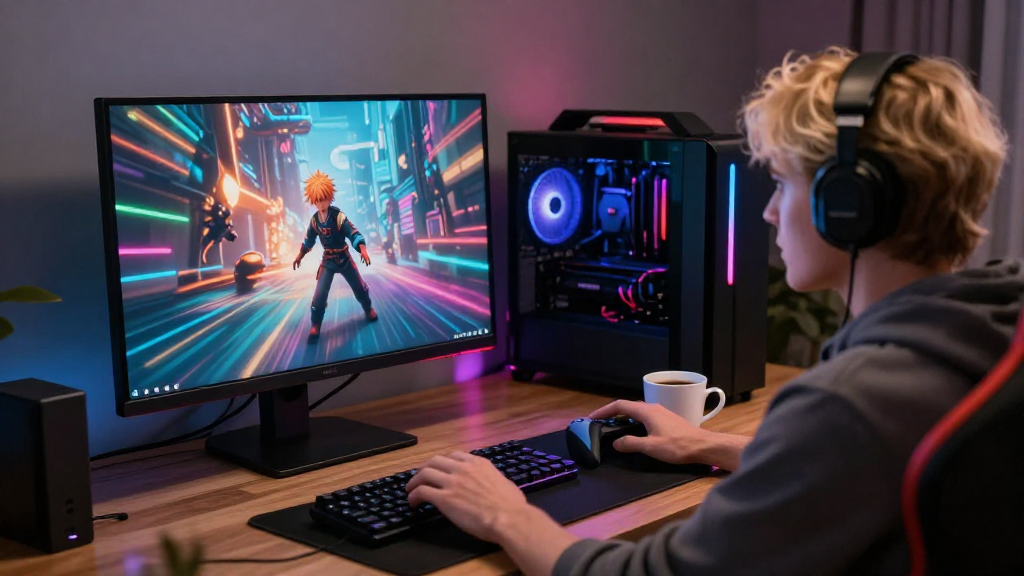
Gaming and motivation theory play a crucial role in understanding what keeps players engaged.
By exploring this concept, we can unlock insights that not only enhance game design but also enrich the player experience.
What Are the Key Components of Motivation Theory in Gaming?
Motivation theory in gaming revolves around several key components that explain why individuals are drawn to play games.
Understanding these components can help developers create more engaging experiences.
1. Intrinsic Motivation
Intrinsic motivation refers to the internal drive to engage in an activity for its inherent satisfaction.
In gaming, this can manifest through:
- Enjoyment: Players find pleasure in the act of gameplay itself.
- Challenge: Overcoming obstacles and achieving personal goals can be highly rewarding.
- Exploration: The desire to discover new worlds or narratives often keeps players hooked.
2. Extrinsic Motivation
Extrinsic motivation involves external rewards that encourage players to participate in gaming.
This may include:
- Achievements: Unlocking trophies or accomplishments can provide a sense of fulfillment.
- Leaderboards: Competing against others pushes players to elevate their skills.
- In-game rewards: Items or currency obtained through play can incentivize continued engagement.
3. Goal Setting
Setting goals can be a powerful motivator in gaming.
Players often strive towards:
- Short-term goals: Completing missions or collecting items.
- Long-term goals: Developing characters or reaching the maximum level.
How Does Gaming and Motivation Theory Affect Game Design?
The principles of gaming and motivation theory significantly impact how games are designed.
Integrating these concepts creates a more satisfying and engaging player experience.
1. Engagement Mechanics
For developers, integrating engagement mechanics based on motivation theory can be pivotal.
Consider these elements:
- Feedback Loops: Immediate rewards can increase player satisfaction.
- Progress Systems: Allowing players to see improvement encourages continued play.
- Diverse Challenges: Varying difficulty levels can cater to different skill sets, maintaining interest.
2. Narrative and Immersion
The storytelling aspect of games can create deep emotional connections.
Motivation theory emphasizes the importance of narrative immersion, such as:
- Relatable Characters: Players can feel more invested when they identify with game characters.
- Engaging Plotlines: A gripping story can keep players coming back for more.
3. Social Interaction
Multiplayer games capitalize on the social aspects of motivation theory.
Human interaction provides:
- Community Engagement: Players are motivated to play together, fostering social bonds.
- Collaborative Challenges: Team-based tasks can create a sense of camaraderie.
What Are Some Real-World Applications of Gaming and Motivation Theory?
Developers and researchers have applied gaming and motivation theory in various real-world scenarios.
Here are a few notable examples:
1. Educational Games
Many educational platforms use gaming principles to foster learning.
By implementing motivation strategies, they have:
- Enhanced Learning Outcomes: Students are more engaged and retain information better when game mechanics are involved.
- Adaptive Learning: Tailoring challenges meets individual learner needs, keeping students motivated.
2. Fitness Gaming
Fitness games leverage motivation theory to encourage physical activity.
They often use:
- Goal Tracking: Players see their progress in terms of fitness goals.
- Friendly Competition: Challenges against friends can enhance motivation to stay active.
3. Corporate Training
Companies are increasingly using gamification strategies in training programs.
Applying motivation theory in this context can result in:
- Increased Engagement: Employees are more likely to participate when they can earn rewards and compete.
- Skill Development: Game elements can make the acquisition of complex skills more enjoyable.
How Can Players Leverage Motivation Theory in Gaming?
Understanding gaming and motivation theory can empower players to enhance their gaming experiences.
Here are some ways to leverage these concepts:
1. Set Personal Goals
Players should consider what they want to achieve in their gaming journey.
Identifying specific goals can lead to a more satisfying experience.
- Short-term: Aim to complete a specific quest or challenge.
- Long-term: Work towards mastering a character’s skills.
2. Engage with the Community
Joining gaming communities can amplify enjoyment.
Social interaction provides:
- Support and Motivation: Engaging with others can push players to improve.
- Shared Experiences: Discussing strategies with fellow gamers can deepen understanding.
3. Experiment with Different Games
Trying various game genres can reveal personal preferences and unlock new enjoyment pathways.
This helps to maintain enthusiasm and freshness in the gaming experience.
What Role Does Feedback Play in Motivation Theory in Gaming?
Feedback is a critical element in gaming and motivation theory.
Here’s why:
1. Reinforcement
Timely feedback reinforces player actions.
Positive reinforcement, such as rewards or praise, encourages players to replicate those behaviors.
2. Skill Development
Constructive feedback allows players to identify areas for improvement.
By understanding their weaknesses, players can work on enhancing their skills.
3. Motivational Impact
Regular feedback can boost motivation levels.
Knowing that progress is being made keeps players engaged and focused on their goals.
Conclusion: Why Is Gaming and Motivation Theory Important?
Understanding gaming and motivation theory is vital for anyone involved in game design, development, or play.
By focusing on the intrinsic and extrinsic motivations of players, developers can create more engaging and satisfying experiences.
Furthermore, players who grasp these concepts can make the most of their gaming journey, setting goals and engaging with communities.
In doing so, we not only enhance our personal experiences but also contribute to a richer gaming culture.
Immerse yourself in the world of gaming, take control of your motivation, and discover how these theories can transform your gaming experience for the better!