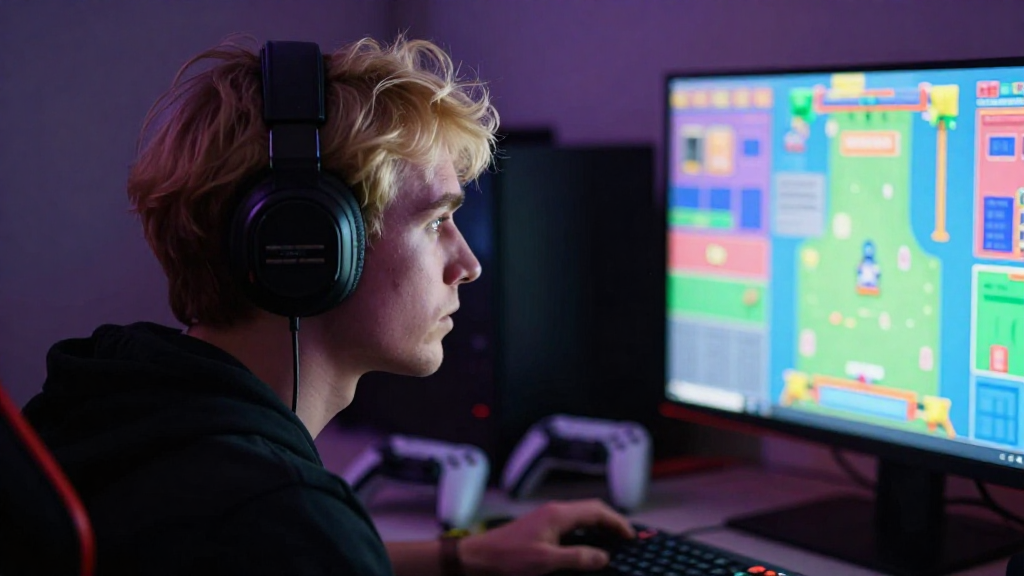
Why do gamers like repetition?
It might seem counterintuitive, but for many players, the act of engaging in repetitive tasks within video games can be incredibly satisfying and rewarding.
In this article, we will explore the reasons behind this phenomenon and delve into the psychology of gamers.
What Makes Repetition Appealing to Gamers?
Repetition is a core element of many beloved video games.
From farming resources in Stardew Valley to grinding for levels in World of Warcraft, players often find themselves engaged in tasks that require them to repeat actions over and over.
But why do gamers embrace this cycle of repetition? Here are some key factors:
1. Sense of Achievement
One of the main reasons why gamers like repetition is the sense of achievement that comes with mastery.
- Leveling Up: Players often feel a strong sense of accomplishment when they level up or achieve a specific goal after hours of grinding.
- Completionism: Collecting items or finishing quests gives players a tangible sense of progress.
- Skill Improvement: Each repetitive action improves a player’s skill level, transforming them from a novice to an expert over time.
2. Routine and Structure
For many players, video games provide a sense of routine and structure that may be absent in their everyday lives.
- Predictability: Engaging in repetitive tasks can create a comforting sense of predictability.
- Time Management: Players can easily set aside time to focus on their favorite repetitive activities, fitting them into busy schedules.
Repetition fosters a structured environment where goals can be repeatedly focused upon.
3. Psychological Reward
The brain loves rewards, and repetitive gaming tasks often trigger the release of dopamine, the brain’s feel-good chemical.
- Positive Reinforcement: Completing a challenging quest or achieving a milestone can trigger dopamine release, encouraging players to continue the cycle.
- Addictive Gameplay: Many games are designed with repetition in mind to keep players engaged and craving that next dopamine hit.
This psychological reward system is a significant factor in why gamers like repetition.
How Does Repetition Enhance Gameplay?
Repetition isn’t just a trivial aspect of gaming; it enhances the overall gameplay experience in various ways.
1. Skill Development
Through repetition, players can refine their skills in a game.
- Mastery of Mechanics: Practicing specific mechanics enables players to become more proficient.
- Combat Strategies: Repeating combat scenarios helps players learn which strategies work best.
2. Story Engagement
In many games, repetition serves to deepen the player’s engagement with the story.
- Lore Exploration: Revisiting certain quests or areas can reveal new lore or storylines.
- Character Development: Repetitive interactions with characters can enhance the emotional connection players feel towards them.
3. Achievement and Reward Systems
Modern games often incorporate achievement systems that are built on repetitive tasks.
- Trophies and Achievements: Completing repetitive challenges can lead to rewards such as trophies, badges, and in-game currency.
- Daily and Weekly Quests: Many games offer daily and weekly challenges encouraging players to repeat specific actions for rewards.
All of these aspects contribute to the question: why do gamers like repetition?
Aren’t Gamers Bored by Repetition?
While it may seem that repetition would lead to boredom, the opposite is often true.
1. Dynamic Challenges
Many games incorporate elements that prevent repetition from becoming stale.
- Adaptive Difficulty: Some games adjust the difficulty based on the player’s performance, keeping the experience fresh and engaging.
- New Content: Regular updates and expansions often introduce new content, including new challenges to explore over repeated gameplay sessions.
2. Social Interaction
For many gamers, repetition includes the opportunity for social interaction.
- Co-op Gameplay: Engaging in repetitive tasks with friends or other players can create community and shared experiences.
- Competition: Competing in leaderboards or against friends can spark motivation to repeat tasks for a better score.
These social elements further highlight why gamers like repetition, as they allow players to connect and engage in meaningful ways.
What Role Does Game Design Play in Repetition?
Game designers understand the appeal of repetition and often incorporate it as a design element.
1. Progression Systems
Progression systems are created to reward players for their repeated efforts.
- Level Caps: Players are motivated to level up to reach new content or abilities.
- Unlockables: Rewarding players with cosmetic items or gameplay advantages encourages them to engage in repetitive activities.
2. Engagement Loops
Developers design engagement loops to keep players returning.
- Start-Complete-Reward Designs: Most games feature a cycle where players start a task, complete it, and receive a reward.
- Feedback Mechanisms: Immediate feedback, such as points or visual effects, reinforces the cycle of repetition.
Thus, game design plays a pivotal role in explaining why gamers like repetition.
Is Repetition in Gaming Here to Stay?
As gaming technology continues to evolve, the use of repetition is likely to persist.
1. Expanding Genres
With the rise of new gaming genres, different forms of repetition are emerging.
- Roguelikes: These types of games utilize repetition in unique ways by resetting players and prompting them to learn from their past attempts.
- Open World Games: Activities in open world games often include elements of repetition to create vast worlds for players to explore and interact with repeatedly.
2. Future Game Development Trends
As developers experiment with storytelling and gameplay mechanics, they will continue to harness the power of repetition.
- Procedural Generation: This technique can create limitless gameplay options, encouraging repeated exploration.
- Community Features: Incorporating social elements that leverage repetition will keep players engaged well into the future.
As we look to the future, it’s clear that understanding why gamers like repetition is essential for anyone involved in the gaming industry.
In conclusion, repetition in gaming is more than a simple annoyance; it’s a complex and enriching aspect of the gaming experience.
From the sense of achievement to skill mastery and social interaction, repeated actions foster deeper engagement and enjoyment for millions of players worldwide.
So the next time you find yourself grinding through a repetitive task in your favorite game, remember: you’re not alone, and there’s a good reason why the act of repetition is so compelling!