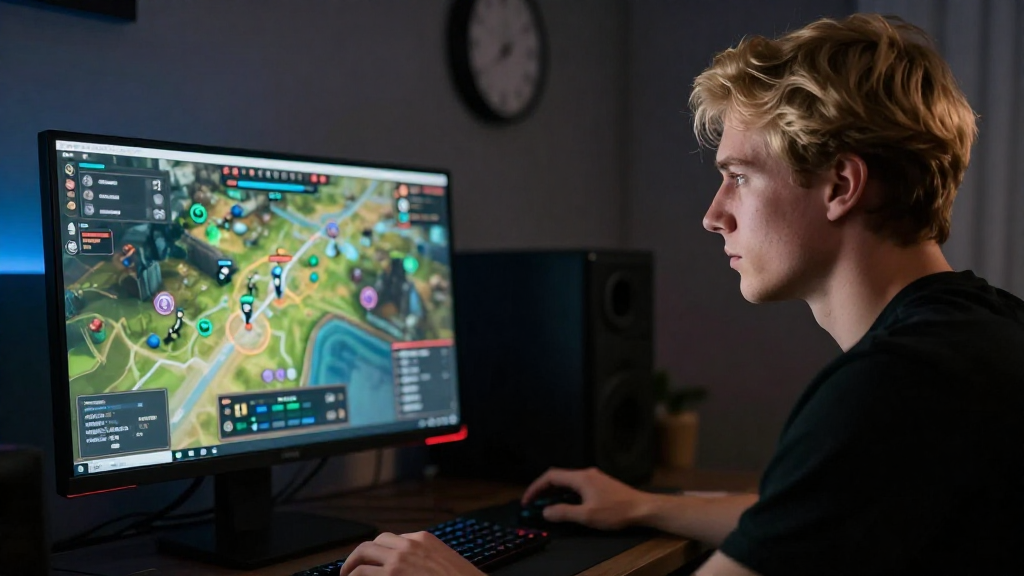
In recent years, the discussion around gaming and prioritization skills has gained significant traction.
Many experts argue that video games can enhance players’ ability to prioritize tasks and manage their time more efficiently.
But how true is this claim? Let’s explore the relationship between gaming and prioritization skills, and see how they intersect in everyday life.
How Do Games Encourage Prioritization?
Video games often present players with multiple objectives or tasks that need to be completed in order to achieve overall success.
This requires players to:
- Assess tasks quickly: Identify which objectives are most important.
- Make decisions: Choose which task to tackle first based on various factors, such as time constraints and resource availability.
- Adapt strategies: Change tactics based on the evolving game environment.
These skills are inherently connected to prioritization.
When players are faced with obstacles, their ability to prioritize tasks can mean the difference between completing a mission successfully or failing.
What Are Some Examples?
Let’s consider some popular game genres that showcase prioritization skills:
-
Real-Time Strategy Games (RTS):
– Games like StarCraft or Age of Empires require players to manage resources and make decisions on-the-fly.
– Players must prioritize building units or gathering resources based on immediate threats or long-term strategies. -
Role-Playing Games (RPGs):
– In games like The Witcher series, players often face multiple quests at once.
– Deciding which quest to pursue first based on difficulty, rewards, or time sensitivity fosters prioritization skills. -
Time Management Simulations:
– Titles such as Overcooked! require players to manage kitchen tasks efficiently under pressure.
– Players quickly learn to prioritize dish preparation, cooking times, and order delivery.
These examples illustrate how gaming naturally integrates prioritization skills into the gameplay mechanics.
Can Gaming Improve Real-Life Prioritization Skills?
So, does gaming translate into real-life skills?
There’s growing evidence to support this notion.
Cognitive Benefits of Gaming
Research suggests that playing video games can enhance various cognitive functions, including:
- Attention: Gamers often need to focus on multiple elements at once, enhancing their ability to manage distractions.
- Decision-Making: Quick thinking and instant decisions help players develop sharper decision-making skills.
- Multitasking: Many games require players to juggle several tasks, training them to prioritize effectively without becoming overwhelmed.
Real-Life Applications
The skills gained from gaming and prioritization skills can be beneficial in various real-life scenarios:
- In the Workplace: Employees who are adept at prioritization can manage their workloads more efficiently. This is particularly critical in high-pressure environments where deadlines are tight and choices must be made swiftly.
- In Education: Students who develop prioritization skills through gaming may find it easier to manage their study schedules and assignments, leading to better academic performance.
- In Daily Life: Whether planning a schedule or managing time for household chores, individuals can utilize prioritization skills learned from gaming to enhance their productivity.
Are There Any Downsides to Gaming?
While the benefits of gaming in developing prioritization skills are commendable, it’s essential to consider potential downsides.
Excessive gaming can lead to:
- Procrastination: Spending too much time gaming may lead to neglect of real-world responsibilities.
- Poor Time Management: Gamers may become absorbed in a virtual world, losing track of time and failing to prioritize effectively in real life.
Finding a balance is crucial, and moderation is key when enjoying gaming as a hobby.
How Can Players Maximize the Benefits of Gaming?
To effectively harness the power of gaming in developing prioritization skills, consider the following strategies:
-
Choose the Right Games:
– Opt for games that challenge your prioritization abilities.
– Engage with titles that require critical thinking and strategic planning. -
Set Goals in Gaming:
– Establish personal objectives before starting a gaming session.
– This can help reinforce prioritization as you focus on completing specific tasks. -
Reflect on Gameplay:
– After gaming, take time to analyze decisions made during play.
– Consider whether prioritization was effective and what could be improved. -
Limit Game Time:
– Set specific times for gaming to ensure a balanced lifestyle.
– This helps mitigate the potential downsides of excessive gaming.
Conclusion: Is Gaming a Go-To Tool for Prioritization?
In summary, gaming and prioritization skills share a profound and beneficial connection.
Players can hone their ability to prioritize tasks through immersive gaming experiences.
These skills can then manifest in various real-life situations, offering cognitive advantages that enhance both personal and professional capabilities.
However, moderation is key in balancing gaming with everyday responsibilities.
With conscious effort and the right approach, gaming can indeed serve as an effective tool for developing valuable prioritization skills that resonate beyond the screen.
Whether you’re a casual gamer or an avid enthusiast, take the time to reflect on how your gaming experiences shape your ability to prioritize—both in games and in life.