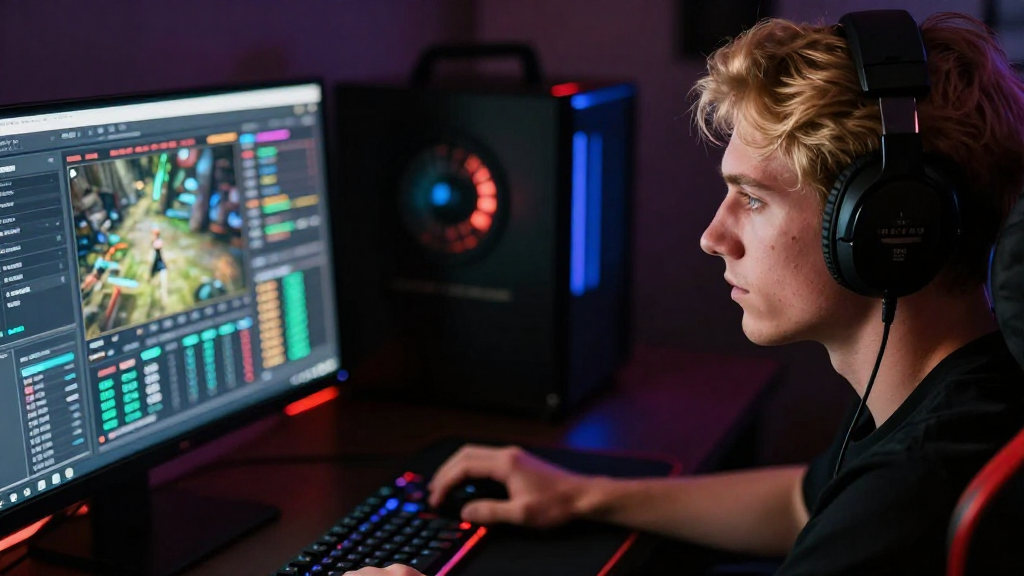
In the dynamic world of gaming, understanding how gamers measure improvement is crucial for achieving both personal and competitive goals.
What Tools Do Gamers Use to Track Their Progress?
Gamers utilize a variety of tools and platforms to gauge their advancement within a game.
These can include:
-
In-Game Metrics: Many modern games provide detailed statistics regarding playtime, completed missions, and overall performance.
-
Leaderboards: Competitive players often look to leaderboards to compare their scores against others.
-
Performance Tracking Software: Programs like Twitch and Discord have built-in features that allow gamers to monitor their stats and share them with friends.
-
Thrid-Party Websites: Sites such as Battlefy and OP.GG enable players to analyze data, view performances, and strategize accordingly.
The combination of these tools allows players to evaluate their skills more comprehensively.
Why is Tracking Progress Important for Gamers?
Understanding how gamers measure improvement is more than just checking numbers; it’s about personal development, competitiveness, and enjoyment.
Tracking progress carries several benefits:
-
Identifying Strengths and Weaknesses: By keeping track of various metrics, gamers can pinpoint areas that need improvement or skills they excel at.
-
Establishing Goals: Players can set realistic and achievable goals, whether it’s reaching a specific rank, completing a game 100%, or improving accuracy.
-
Encouraging Healthy Competition: Friendly competition motivates players to step up their game and strive for excellence.
-
Boosting Confidence: Monitoring progress can lead to improved confidence as players see tangible evidence of their growth.
How Do Gamers Set Goals for Improvement?
One of the crucial steps in understanding how gamers measure improvement is setting clear goals.
Here are some effective strategies for goal-setting:
-
SMART Goals: Setting goals that are Specific, Measurable, Achievable, Relevant, and Time-bound helps gamers create a roadmap for improvement. For instance, setting a goal to increase your average damage per game from 500 to 700 within two weeks.
-
Short-term vs. Long-term Goals: It’s essential to have both types of objectives. Short-term goals may focus on mastering a new character, while long-term goals might involve achieving a top tier in the game.
-
Creating Action Plans: Once goals are set, players should create actionable steps to achieve them, such as dedicating specific hours each week to practice certain skills.
How Do Gamers Utilize Feedback?
Feedback is vital to understanding how gamers measure improvement effectively.
Gamers receive feedback through:
-
Self-Reflection: After each gaming session, players should assess their performance. Did they make the right decisions? Did they stick to their strategy?
-
Peer Reviews: Engaging friends or team members to watch gameplay and provide insights can greatly enhance a player’s understanding of their strengths and weaknesses.
-
Coaching: Some players might hire professional coaches or utilize mentorship programs to receive personalized feedback.
What Metrics Matter Most?
When discussing how gamers measure improvement, it’s essential to focus on the metrics that truly matter.
Key metrics include:
-
Kill/Death Ratios (K/D): This is a popular stat in competitive games and can serve as an immediate indicator of combat effectiveness.
-
Win Rates: In team-based games, win rates can be a significant reflection of overall productivity and teamwork.
-
Ranking Points: Many games feature ranking systems where players can measure their standing against others.
-
Experience Points (XP): In role-playing games, the total XP earned can indicate progression and skill mastery.
By focusing on these metrics, gamers clarify their journey and target specific areas for improvement.
How Does Practice Influence Improvement?
Regular practice is universally acknowledged as a key factor in understanding how gamers measure improvement.
Consider these practice techniques:
-
Consistency: Playing regularly helps to reinforce skills and retains knowledge.
-
Focused Practice: Concentrating on specific aspects, such as aiming or map knowledge, can lead to significant gains.
-
Diverse Gaming: Spreading practice across different genres can foster adaptability and broaden gaming skills.
What Role Does Community Play in Growth?
The gaming community plays a vital role in supporting gamers through their improvement journey.
Communities foster growth by:
-
Encouragement: Supportive communities can motivate players to continue working toward their goals.
-
Shared Knowledge: Players often share tips and strategies that can help others improve their gameplay.
-
Collaboration: Many improvements occur in cooperative settings, whether through team play in competitive environments or casual play with friends.
How Can Streaming and Content Creation Enhance Improvement?
For many gamers, streaming or creating content is a natural progression and can also enrich their understanding of how gamers measure improvement.
When gamers stream or produce videos, they often:
-
Self-Assess: Watching recorded gameplay helps in identifying mistakes and areas for growth.
-
Engage with Viewers: Feedback from enthusiastic audiences can provide new perspectives that can effectively contribute to improvement.
-
Build Accountability: Streamers often feel driven to improve their skills publicly, as their audience expects progress.
Conclusion: The Ongoing Journey of Improvement
Understanding how gamers measure improvement is a multifaceted process that combines self-reflection, community support, technological resources, and performance metrics.
By using tools effectively, setting clear goals, and engaging with both peers and community members, gamers can enhance not just their skills but also their enjoyment of the gaming experience.
The path to improvement is ongoing and unique to every gamer, making their journey a critical aspect of the gaming culture.
As gaming continues to evolve, so too will the methods that players use to measure their growth. In a landscape where each achievement can feel monumental, knowing how to measure progress ensures that every player can enjoy the satisfaction of improvement, one game at a time.