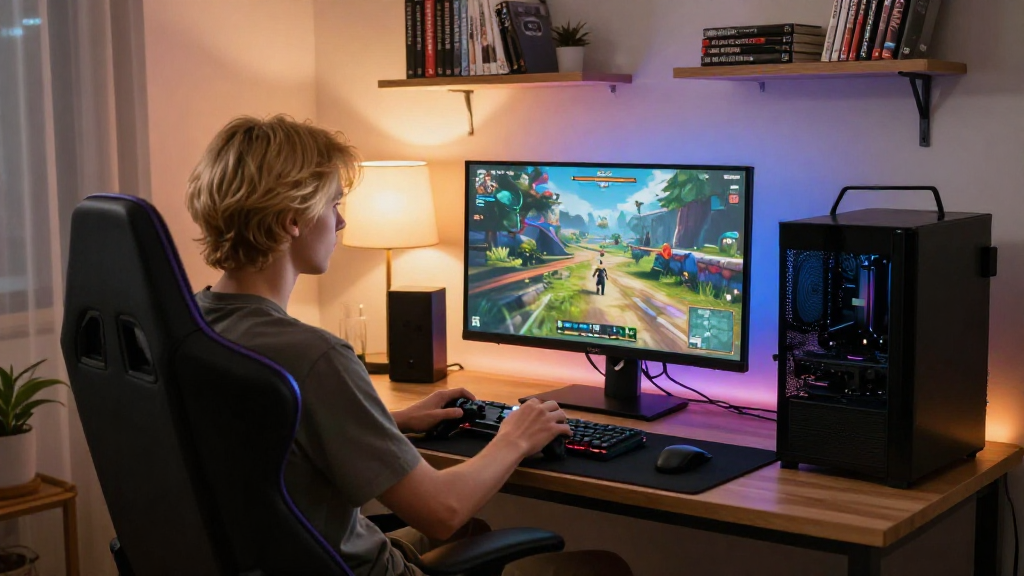
Do games build self-discipline? This question has sparked a heated debate among parents, educators, and gamers alike. Gaming is often labeled as a distraction, with concerns about its impact on young minds. However, there is a growing body of evidence suggesting that video games can, in fact, foster important life skills, including self-discipline.
What is Self-Discipline?
Self-discipline involves the ability to control one’s emotions, behaviors, and desires in the face of external demands, to achieve a greater goal.
It’s a crucial skill in every aspect of life, such as:
- Academics: Completing assignments on time
- Professional Life: Meeting deadlines
- Personal Goals: Sticking to a workout routine
The question, then, is whether gaming can effectively contribute to building this vital skill.
How Do Games Teach Self-Discipline?
Do Games Build Self-Discipline Through Reward Systems?
Many video games utilize reward systems to keep players engaged. These systems often include:
- Leveling Up: Players must complete objectives to gain experience points.
- Achievements and Badges: Completing specific tasks rewards players with recognitions.
- In-Game Currency: Earning rewards that can be spent on enhancements or items.
In learning to navigate these systems, players often develop a sense of timing and strategic planning. To progress, they must practice self-control and patience, waiting for the right moments to act, or focusing on long-term goals rather than instant gratification.
Can Gaming Improve Focus and Concentration?
Another way to consider if do games build self-discipline is their potential to improve focus and concentration.
Many games require players to invest countless hours into perfecting their strategies, solving complex puzzles, or coordinating with teammates. This level of engagement necessitates:
- Sustained Attention: Players must maintain focus for extended periods.
- Goal-Oriented Behavior: Players learn to set and pursue specific goals, such as completing quests or defeating bosses.
As a result, gamers often find themselves developing enhanced concentration skills. This focus can translate into other life areas, enhancing a player’s success in academics or professional endeavors.
Are Problem-Solving Skills Enhanced Through Gaming?
Engaging with complex game mechanics helps improve a player’s problem-solving abilities. Many games introduce challenging scenarios where players must:
- Analyze situations rapidly
- Develop strategic plans
- Evaluate the consequences of their actions
As players navigate these challenges, they cultivate a mental discipline that translates into more effective decision-making in real-life situations.
Do Multiplayer Games Promote Teamwork and Responsibility?
Multiplayer gaming environments, such as those found in MMOs (Massively Multiplayer Online games) or team-based shooters, also serve as a valuable arena for building self-discipline.
In these settings, players are frequently required to:
- Collaborate with others
- Take on specific roles within a team
- Strive for a common objective
Players learn how their actions impact others and the importance of accountability. This realization often fosters a sense of responsibility and enhances their understanding of long-term teamwork efficiency, which is vital for personal and professional growth.
What Research Says About Gaming and Self-Discipline
Research has explored the potential benefits gaming offers in terms of cognitive skills and emotional intelligence.
Numerous studies indicate that certain types of games can enhance:
- Attention Control: Results show that action games may improve the ability to track multiple objects and manage distractions.
- Impulse Control: Games that involve critical thinking and strategic planning often promote self-regulation.
Moreover, psychologists posit that a well-balanced approach to gaming may support the development of self-discipline in young individuals, especially when combined with parental guidance and structured limits on game time.
What Are the Risks?
While the question of whether do games build self-discipline tends to focus on their benefits, it’s crucial also to acknowledge the potential downsides.
Excessive gaming can lead to:
- Addiction: Overindulgence can inhibit real-world responsibilities.
- Social Isolation: Spending too much time gaming can lead to weakened social bonds.
Finding a balance between gaming and other life responsibilities is essential.
Conclusion: Do Games Build Self-Discipline?
Based on the various aspects discussed, it is reasonable to conclude that do games build self-discipline depends largely on the type of games being played and how they are integrated into a person’s routine.
Games can foster essential skills like focus, strategic planning, teamwork, and responsibility.
However, moderation and active engagement—especially with the oversight of guardians and mentors—are crucial for harnessing gaming’s positive attributes without succumbing to its pitfalls.
Ultimately, the world of gaming can be a double-edged sword, but with a thoughtful approach, it may just turn into an effective tool for teaching self-discipline and a host of other beneficial skills for young and old alike.
So, the next time someone asks, “Do games build self-discipline?” consider the various elements of gaming that can contribute to personal growth, and perhaps advocate for a balanced perspective on this ever-evolving topic.