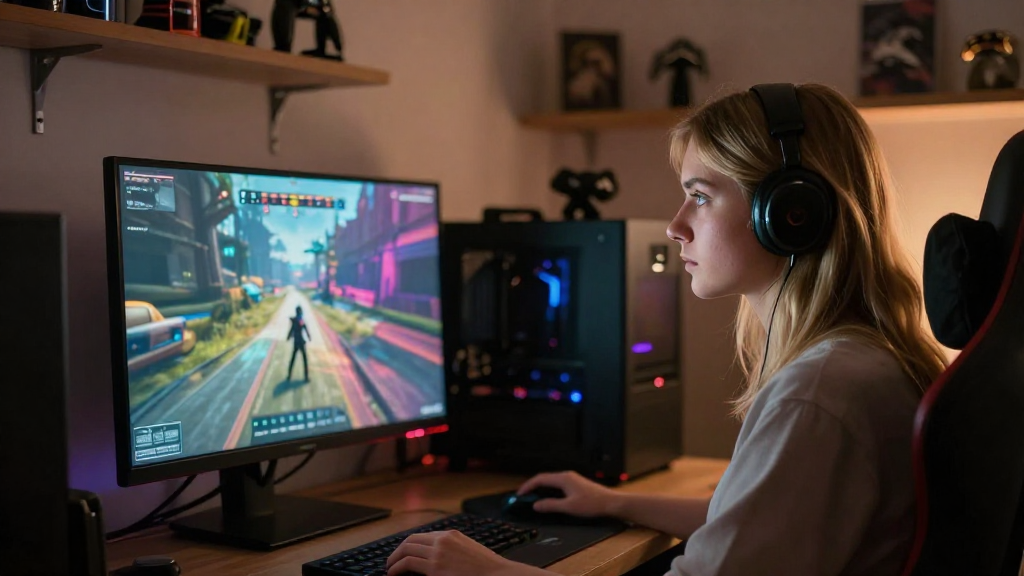
Do games improve alertness? This question has gained traction in recent years, given the increasing popularity of video games and their intricate designs aimed at engagement.
What Are Alertness and Cognitive Performance?
Alertness refers to a state of active attention and awareness. It is essential for efficient functioning in daily activities, ranging from simple tasks to complex decision-making.
Cognitive performance encompasses various mental functions, including:
- Attention
- Reaction time
- Memory
- Problem-solving skills
Improving alertness and cognitive performance can enhance effectiveness in both personal and professional environments. The potential for games to enhance these abilities is an intriguing area of study.
How Do Games Affect Your Brain?
So, do games improve alertness? Research suggests that various types of video games can have positive impacts on brain function.
Games often provide:
- Fast-paced challenges: They require players to think quickly and adapt rapidly to new situations.
- Multi-tasking capabilities: Many games require players to manage several tasks simultaneously, improving attention and multitasking skills.
- Problem-solving opportunities: Strategy games, in particular, encourage players to devise solutions quickly, enhancing critical thinking.
Studies have shown that the cognitive demands of gaming result in improved mental skills, which in turn contributes to better alertness.
Are There Specific Types of Games That Enhance Alertness?
Different games stimulate the brain in various ways. Let’s explore a few categories that particularly excel in improving alertness:
-
Action Games:
– Fast-paced and often competitive.
– Require quick decision-making and reflexes.
– Examples include shooters like Call of Duty and platformers like Super Mario. -
Puzzle Games:
– Engage critical thinking and problem-solving skills.
– Enhance memory and concentration.
– Examples include Tetris and Candy Crush. -
Strategy Games:
– Involve planning and resource management.
– Promote foresight and anticipation of opponent moves.
– Examples include Age of Empires and StarCraft.
Studies indicate that players of action games often demonstrate improved visual attention and increased alertness.
Can Mobile Games Improve Alertness?
With the rise of smartphones, many players engage with games on mobile devices.
Mobile games can also enhance alertness. Casual games like Subway Surfers and Fruit Ninja require quick reactions and strategic thinking.
These games are:
- Easily accessible: Players can engage in short sessions during breaks, improving alertness without a significant time investment.
- Socially interactive: Many mobile games encourage competition among friends, adding to motivation and engagement.
Are There Downsides to Gaming for Alertness?
While the benefits of gaming are significant, there are also potential downsides.
Excessive gaming can lead to:
- Reduced real-life interactions: This may decrease social awareness and attention in face-to-face encounters.
- Distraction and fatigue: Prolonged gaming sessions can lead to mental fatigue and decreased alertness over time.
The key lies in balance. Establishing boundaries on gaming time can enhance alertness without the adverse effects of excessive screen time.
What Do Studies Say About Gaming and Alertness?
Research articles in psychology and cognitive science increasingly support the notion that “do games improve alertness?”
Some compelling findings include:
-
A study published in the journal Nature found that action video game players have superior visual attention and can track multiple moving objects better than non-gamers.
-
University research has suggested that tactical games enhance strategic planning and decision-making under pressure, thus translating to improved alertness.
Can Games Help with Important Life Skills?
Beyond improving alertness, gaming can also cultivate other essential life skills.
Games can enhance:
- Teamwork: Multiplayer games necessitate cooperation for success, developing social skills.
- Stress management: Engaging in games can provide an outlet for stress relief during challenging times.
- Adaptability: Players often must learn and adapt to new rules and environments quickly.
All these skills contribute to a heightened state of awareness and alertness.
How Can You Incorporate Games for Better Alertness?
If you’re interested in leveraging gaming to improve alertness, here are a few tips:
-
Choose the Right Games:
– Focus on action, puzzle, or strategy games that challenge your cognitive abilities. -
Set Time Limits:
– Allocate specific times for gaming to avoid burnout and maintain alertness. -
Engage In Short Bursts:
– Brief sessions can improve focus without leading to fatigue. -
Combine with Real-Life Activities:
– Integrate gaming with physical activities like sports or exercise to maximize alertness in both mental and physical realms. -
Participate in Social Gaming:
– Invite friends or family to play, enhancing the interactive aspect and social alertness.
Conclusion
So, do games improve alertness? The evidence suggests that they can indeed foster better cognitive function and increased alertness.
As a tool for mental engagement and skill development, gaming can enhance attention and critical thinking abilities when approached sensibly.
Incorporating a diverse range of games into your routine could serve as a fun and effective strategy to maintain and improve your alertness, all while enjoying the benefits of entertainment.
Remember to keep gaming balanced with other aspects of life to maximize the benefits while minimizing drawbacks. Happy gaming!