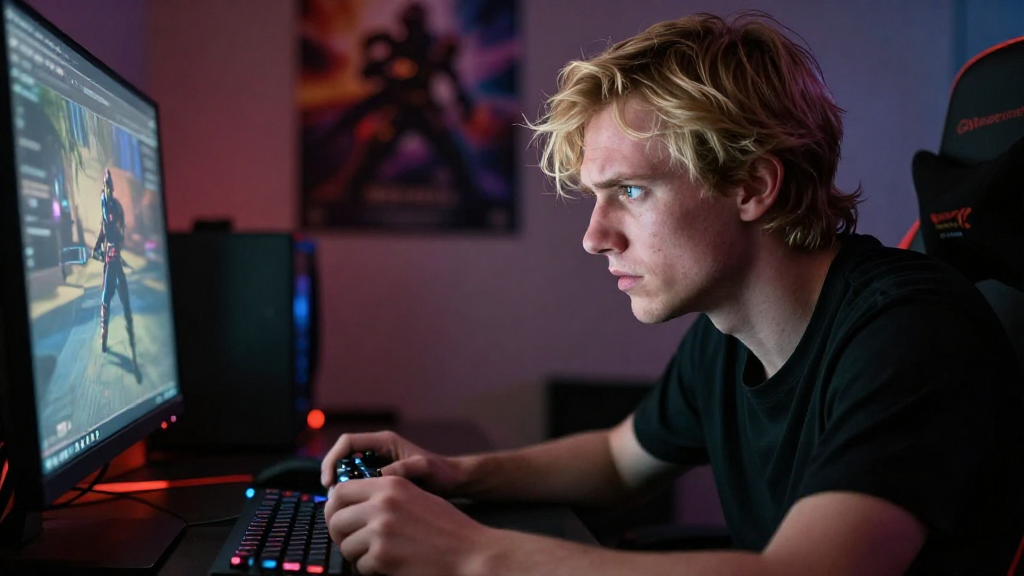
Gamers often face challenges that can lead to frustration while playing their favorite video games.
In this article, we will explore how gamers manage frustration and uncover effective techniques that can help transform a tense gaming experience into a more enjoyable one.
What Causes Frustration in Gaming?
Frustration in gaming can stem from various sources, including:
-
Difficult Levels or Bosses: Many gamers find themselves stuck on a challenging level or unable to defeat a particularly tough boss.
-
Connection Issues: Lagging servers and connection problems can interfere with smooth gameplay, causing players to lose their competitive edge.
-
Unbalanced Gameplay: Sometimes, game mechanics may seem unfair, like being constantly outmatched by other players in multiplayer settings.
-
Interference from Teammates: In team-based games, one player’s mistakes can often lead to frustration for the whole group.
-
In-Game Bugs: Technical glitches can lead to unexpected challenges, turning a fun session into an irritating ordeal.
Understanding what causes frustration is the first step for gamers to learn how to manage their feelings effectively.
How Gamers Manage Frustration?
In the face of various challenges, how do gamers manage frustration? Let’s explore several strategies:
1. Taking Breaks
Taking a break is one of the simplest yet most effective methods.
When gameplay gets heated and frustrations rise, stepping away can provide a much-needed reset.
Consider the following:
-
Short Breaks: Just a few minutes away from the screen can allow gamers to cool down and return with a fresh perspective.
-
Longer Breaks: Some gamers may find that a longer period away from the game, such as a day or two, can help diminish their negative feelings.
2. Practicing Mindfulness
Gamers can integrate mindfulness techniques to help with managing frustration.
Techniques include:
-
Deep Breathing: Focusing on breathing can calm the mind and body.
Inhale deeply for a count of four, hold for four, and exhale for four. This can help alleviate immediate feelings of stress. -
Visualization: Imagining a positive outcome or success in a challenging level can bolster confidence and patience.
3. Setting Realistic Goals
Understanding personal limitations and setting achievable goals can greatly reduce frustration.
-
Break Down Objectives: Instead of aiming for a massive win, break the game down into smaller, manageable tasks.
For instance, focus on improving your average score or practicing specific mechanics rather than solely striving for victory. -
Celebrate Small Wins: Recognize and celebrate minor achievements, allowing them to contribute to a sense of progress.
4. Engaging in Positive Self-Talk
Words have power, including those we say to ourselves during gameplay.
Positive self-talk can fundamentally influence a gamer’s mindset.
-
Avoid Negative Phrases: Replace thoughts like “I’m terrible at this” with “I’m improving with each attempt.” This shift can create a more positive gaming experience.
-
Encourage Yourself: Use mantras or phrases, like “I can do this” to lift spirits and maintain motivation, especially during tough moments.
5. Finding a Supportive Gaming Community
Connecting with fellow gamers can offer emotional support and practical advice on managing frustration.
-
Join Online Forums: Platforms such as Reddit or Discord host vibrant communities where gamers share tips and strategies.
Sometimes, just venting to someone who understands can be therapeutic. -
Play Cooperative Games: Engaging in cooperative gameplay with friends or family can create a shared experience that’s more enjoyable and less frustrating.
How Can Gamers Improve Their Skills?
Improving skills is a helpful way to reduce frustration levels. Gamers often find that as their abilities increase, the challenges become easier to handle. Here are several approaches:
1. Practice Consistently
-
Dedicated Time: Set aside specific times for practice sessions.
-
Focused Training: Choose specific skills to work on, whether it’s aiming, strategy, or teamwork.
2. Watch Tutorials and Guides
-
YouTube and Twitch: Utilize platforms that offer video guides where experienced gamers share techniques.
This can provide valuable insight into strategies and improve gameplay. -
Educational Content: Blogs and articles written by experienced players can offer tips and strategies specific to certain games.
3. Learn from Mistakes
-
Review Gameplay: Many games offer replay options for players to review their actions.
Analyzing gameplay can reveal what went right or wrong. -
Seek Constructive Feedback: Ask friends or online acquaintances to provide feedback on gameplay performance.
Conclusion: Why Managing Frustration is Crucial for Gamers
In conclusion, understanding how gamers manage frustration is essential not only for enjoying gaming but also for fostering a healthier relationship with this engaging pastime.
Implementing the strategies discussed can lead to a more enjoyable experience—transcending beyond the frustration often encountered.
As gamers embrace techniques such as taking breaks, practicing mindfulness, and improving skills, they can better navigate challenging scenarios.
Ultimately, managing frustration enhances the gaming experience and helps build resilience within the gaming community.
Remember, every gamer faces challenges, but it’s how we manage those feelings that can define our enjoyment of the gaming world.