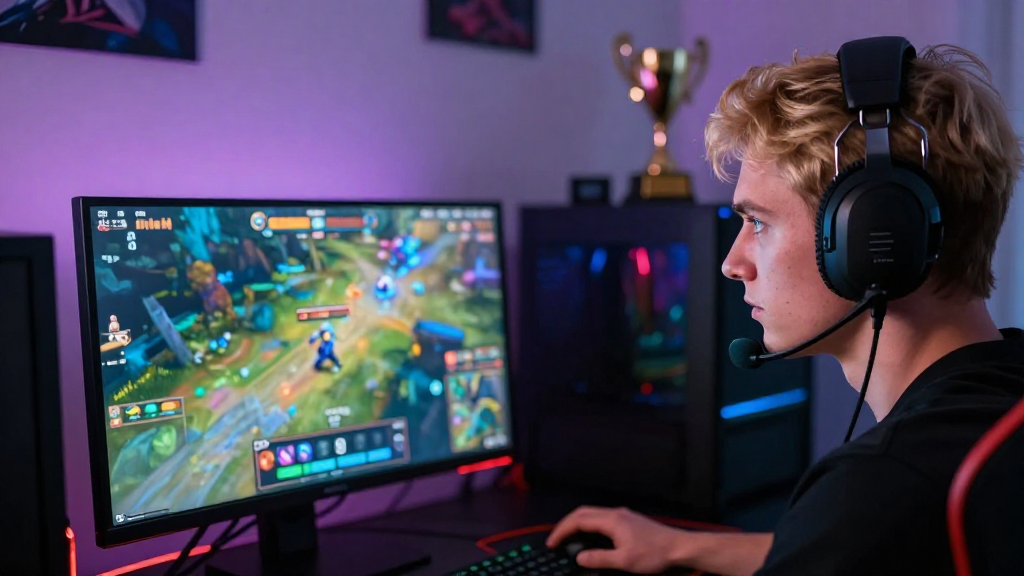
In the competitive world of gaming, how gamers self-evaluate their skills can significantly impact their performance and enjoyment of the game.
Understanding the methods and metrics that players use to judge their own abilities can shed light on their gaming journey and help them improve their gameplay. Here, we will explore various ways gamers assess their own skills, along with the factors that influence their self-evaluation process.
What Metrics Do Gamers Use to Self-Evaluate?
When discussing how gamers self-evaluate, several key metrics come to mind. These can include:
-
Win-Loss Ratio: This is often the most immediate measure for competitive gamers. A higher win-loss ratio indicates better skill levels.
-
Ranking and Leaderboards: Many games feature ranking systems that allow players to compare their skills against others.
-
Skill Points/Elo Rating: Games like chess and various online shooters use an elo rating system to quantify player skills.
-
Performance Statistics: Metrics such as accuracy, kill/death ratio, and in-game achievements provide valuable data.
-
In-Game Currency or Rewards: Players often gauge their skill by the in-game rewards they can earn.
-
Feedback from Peers: Occasionally, gamers will rely on feedback from friends or teammates to assess their abilities.
These metrics play crucial roles in the self-evaluation process, allowing players to analyze their progress and identify areas for improvement.
How Do Gamers Utilize Self-Reflection?
In addition to quantitative metrics, self-reflection is a vital aspect of how gamers self-evaluate their skills. Here are some of the self-reflective tactics most commonly practiced:
-
Post-Match Analysis: Many gamers watch replays of their matches to identify what went wrong and what they did right.
-
Journaling: Keeping a gaming journal can help players track their progress over time and reflect on their growth.
-
Setting Goals: Gamers often set specific objectives for improvement, such as achieving a particular rank or mastering a new skill.
-
Mental Exercises: Visualization of strategies and game plans can aid in better understanding one’s play style.
By incorporating self-reflection into their evaluation methods, gamers can attain a more comprehensive understanding of their skill level.
How Important Is Peer Feedback?
Peer feedback is an essential component when considering how gamers self-evaluate. Colleagues and friends can offer insights that players may overlook. Here are key points regarding peer feedback:
-
Constructive Criticism: Friends can provide constructive criticism that highlights areas needing improvement.
-
Support and Encouragement: Positive feedback can motivate gamers to continue improving.
-
Teamwork Skills: In team-based games, feedback is crucial for enhancing synergy and collaboration.
-
Accountability: Sharing goals with friends creates a sense of accountability that can push players to strive for success.
Overall, peer feedback can significantly enhance a gamer’s self-assessment and provide a more rounded view of their skills.
How Do Players Compare Themselves to Others?
Another significant aspect of how gamers self-evaluate involves comparisons to others. This can occur in numerous ways:
-
Competitive Ranking: Players often evaluate their skills based on rankings or positions in online leaderboards.
-
Social Media and Forums: Players frequently share their achievements within gaming communities, allowing for informal comparisons.
-
Streaming Platforms: Watching skilled players on platforms like Twitch or YouTube can offer insights into advanced tactics, which gamers may use to amend their self-evaluation.
-
Challenge Participation: Participating in community challenges or tournaments provides a framework to compare one’s skills against more experienced players.
Comparing themselves to other gamers can drive improvement and motivate players to enhance their abilities.
What Role Does Personal Motivation Play in Skill Evaluation?
Personal motivation is another crucial element that affects how gamers self-evaluate their skills. Several motivational factors come into play, including:
-
Desire to Compete: Competitive gamers often have an innate desire to win, prompting continual self-evaluation of skills.
-
Passion for Gaming: A deep love for gaming can fuel the pursuit of mastery, leading to more systematic self-evaluation.
-
Frustration with Skill Gaps: Many gamers experience frustration when they encounter skill gaps, pushing them to actively seek improvement.
-
Community Recognition: Gamers may be motivated to develop their skills to gain respect and recognition within gaming communities.
Understanding the motivational factors can help gamers frame their self-evaluation more effectively, aligning their goals with personal aspirations.
How Does Game Genre Influence Evaluation Methodologies?
Different game genres can significantly influence how gamers self-evaluate their skills. Here’s a closer look at the specifics:
Competitive Multiplayer Games
In competitive multiplayer games like First-Person Shooters or MOBAs, players often rely heavily on metrics such as:
-
Kill/Death Ratios
-
Team Performance Stats
Adventure Games
For adventure or role-playing games, self-evaluation could rely more on:
-
Completion Rates
-
Quest Achievements
Casual Games
In casual games, players may focus on:
-
Completion of Levels
-
In-Game Purchases or Collectibles
The variety among game genres leads to distinct self-evaluation practices, tailored to the unique dynamics of each genre.
How Can Technology Enhance Self-Evaluation?
In today’s digital age, technology plays a pivotal role in how gamers self-evaluate their skills. Here are some technological tools players commonly employ:
-
Game Analytics Software: Programs that track and analyze gameplay statistics can provide in-depth insights.
-
Streaming and Recording Software: Recording gameplay sessions allows players to watch and critique their performance.
-
Online Forums and Communities: Engaging with other gamers online can provide feedback and insights into areas of improvement.
-
Skill Assessment Apps: Some applications are designed specifically to evaluate gaming skills and recommend improvements.
By leveraging technology, gamers can create an efficient self-evaluation system that enhances their gaming skills.
Conclusion: The Evolving Nature of Self-Evaluation in Gaming
Ultimately, how gamers self-evaluate their skills is multifaceted, involving metrics, self-reflection, peer feedback, comparisons, motivation, game genre, and technology.
As the gaming environment becomes increasingly competitive, the methods used for self-evaluation will continue to evolve.
Recognizing the importance of structured self-evaluation can empower gamers to make informed decisions for improvement and achieve their gaming aspirations.
By adopting a comprehensive approach to skill evaluation, gamers not only enhance their own abilities but also contribute to a vibrant and skilled gaming community.