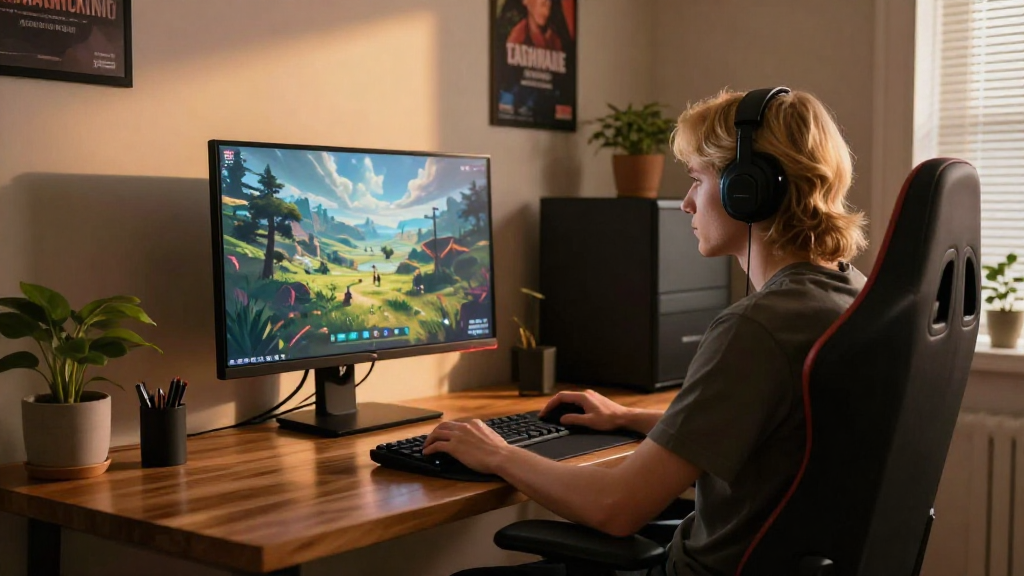
Gaming has long been viewed as a form of entertainment, but recent studies suggest it can also play a significant role in developing intrinsic motivation.
How Does Gaming and Intrinsic Motivation Relate to Each Other?
The connection between gaming and intrinsic motivation primarily stems from the way games are structured.
-
Autonomy: Players often have the freedom to make choices, leading to a sense of ownership over their experience.
-
Mastery: Video games typically present challenges that require skill development, fostering a desire to improve and excel.
-
Purpose: Many games have rich narratives that offer players a meaningful storyline, engaging them emotionally.
These elements not only captivate players but also encourage them to exert effort and engage deeply without the need for external rewards.
What Are the Elements of Intrinsic Motivation Found in Games?
Several psychological components contribute to intrinsic motivation, and many of them can be found within the gaming experience.
1. Challenge
Games often present players with difficult tasks that require strategy and skill. This challenge encourages individuals to push their boundaries.
2. Feedback
Immediate feedback is a staple in gaming. Whether it’s through scores, achievements, or visual effects, players receive real-time affirmation of their progress. This prompts players to invest more effort into the game and, subsequently, into their real lives.
3. Recognition
Although external rewards can sometimes diminish intrinsic motivation, well-designed games recognize player efforts in a way that reinforces self-esteem and personal accomplishment.
4. Curiosity
Many games are designed to pique the curiosity of players, encouraging them to explore and discover new things. This intrinsic drive to learn contributes significantly to motivation.
5. Social Connections
Multiplayer games foster social relationships, which further enhances motivation. Engaging with others creates a sense of community, leading to increased game enjoyment.
Can Gaming and Intrinsic Motivation Apply to Real Life?
Absolutely! The skills and habits cultivated in gaming can translate seamlessly into real-life success.
-
Problem-solving Skills: Players often utilize logical reasoning to navigate gameplay, honing critical thinking abilities.
-
Goal Setting: Many gamers set personal goals related to their playtime, such as completing levels or achieving high scores, fostering organizational skills.
-
Resilience: Learning to overcome failures in games develops perseverance, which can also be applied in everyday challenges.
Are There Different Types of Games That Encourage Intrinsic Motivation?
Certainly! Not all games foster intrinsic motivation in the same manner. Here are some types worth considering:
1. Role-Playing Games (RPGs)
These games allow players to immerse themselves in character-driven narratives, where they make choices that affect the story. The emotional engagement can significantly boost intrinsic motivation.
2. Puzzle Games
Puzzle games challenge cognitive abilities, requiring players to experiment and solve problems, which intrinsically motivates them to find solutions.
3. Simulation Games
Simulation games mimic real-life situations, allowing players to learn and experiment without consequences. This practice can build intrinsic motivation through exploration.
4. Educational Games
Games designed with educational content can increase engagement and interest in various subjects, fostering a love for learning.
How Can Parents Encourage Gaming and Intrinsic Motivation?
If you’re a parent, you can help cultivate intrinsic motivation through gaming. Here’s how:
-
Choose Games Wisely: Look for games that promote problem-solving, creativity, and social interaction.
-
Set Limits: Establish balanced gaming hours to ensure children engage in diverse activities while still enjoying the benefits of gaming.
-
Encourage Discussion: Discuss game mechanics, storyline, and lessons learned from the gaming experience to deepen understanding and connection.
-
Participation: Play alongside your child. This can create bonding opportunities that enhance motivation and engagement.
Are There Any Risks Associated with Gaming and Intrinsic Motivation?
While gaming can foster intrinsic motivation and positive skills, it’s important to be aware of potential downsides.
-
Excessive Gaming: Spending too much time in front of screens can lead to physical health issues and social withdrawal.
-
Addiction: Some individuals may develop a gaming addiction, prioritizing games over real-world responsibilities and relationships.
-
Frustration: If a game becomes too challenging, it may lead to frustration rather than motivation.
What Does Research Say About Gaming and Intrinsic Motivation?
Numerous studies have explored the dynamics of gaming and intrinsic motivation.
A study conducted by Ryan et al. (2009) highlighted how games incentivize players to engage in activities by addressing their psychological needs.
Additionally, research by Hamari and Koivisto (2015) concluded that game features directly correlate with elements of intrinsic motivation.
These studies reinforce the notion that gaming can encourage positive behaviors through the development of intrinsic motivation, ultimately leading to personal growth.
Conclusion: Embracing Gaming as a Tool for Growth
In conclusion, the relationship between gaming and intrinsic motivation is complex yet fascinating.
By tapping into elements like autonomy, mastery, and social interaction, games can help nurture intrinsic motivation in players.
However, it’s essential to approach gaming responsibly, balancing enjoyment with physical and mental well-being.
When engaged meaningfully, gaming can become a powerful tool for developing lifelong skills, fostering a love for learning, and building connections that can positively impact players’ lives.
So, the next time you pick up a controller or don a headset, consider how this form of entertainment is not just a pastime, but a potential catalyst for intrinsic motivation and personal growth.