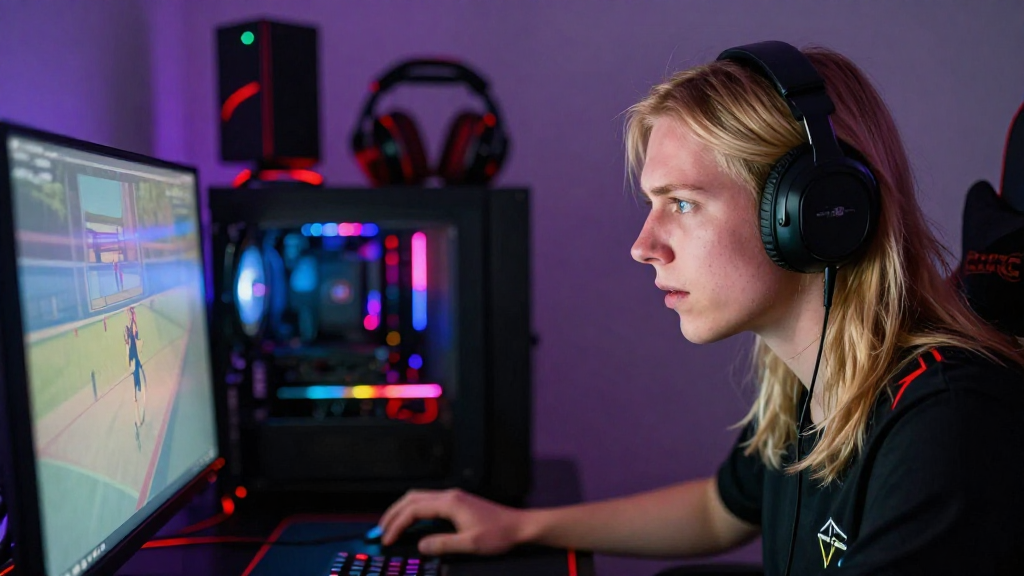
In the dynamic world of gaming, players often grapple with intense emotions. Understanding how gamers regulate excitement can provide valuable insights into their gameplay experiences. This article delves into the myriad techniques and strategies gamers employ to manage their emotional highs and lows, ensuring that every gaming session remains enjoyable and fulfilling.
What Are the Strategies for Regulating Excitement?
Every gamer has their own unique methods for managing excitement. Here are some popular strategies:
-
Breathing Techniques
Gamers often use deep breathing exercises to calm themselves during intense moments.
– Taking slow, deep breaths can help lower heart rate and reduce anxiety.
– This technique can be particularly effective during competitive gaming. -
Mindfulness and Focus
Staying present can significantly impact how gamers experience excitement.
– Practicing mindfulness allows players to center their thoughts and avoid becoming overwhelmed.
– Techniques like meditation or even a quick mental reset can improve focus. -
Self-Talk
Positive self-talk can be a powerful tool.
– Reminding themselves that it’s just a game helps gamers maintain perspective.
– This mental dialogue serves to soothe racing thoughts and regulate emotional responses. -
Setting Limits
Knowing when to step away is essential for emotional regulation.
– Gamers might set time limits on sessions to avoid overstimulation.
– Taking frequent breaks during gameplay can alleviate feelings of excitement and nervousness. -
Creating a Comfortable Environment
The gaming atmosphere can influence emotional states.
– Lighting, sound, and seating play a role in how players feel while gaming.
– A comfortable setup helps in managing excitement levels effectively.
Why Is Regulating Excitement Important for Gamers?
Understanding how gamers regulate excitement is crucial for several reasons:
-
Mental Well-Being
Maintaining emotional balance ensures that gaming remains a source of joy rather than a stressor. -
Performance Enhancement
Effective regulation of emotions can lead to better performance in gameplay. -
Sustained Interest
Gamers who manage excitement are more likely to continue enjoying their hobby over the long term.
How Do Emotions Affect Gaming Performance?
The correlation between emotions and performance in gaming is well-documented. Here’s how excitement affects gameplay:
-
Heightened Awareness
– Excitement can lead to increased focus and alertness.
– Gamers might respond faster to in-game stimuli, enhancing gameplay. -
Risk-Taking Behavior
– Elevated excitement levels can prompt impulsive decisions.
– This may lead to high-risk maneuvers in games that could yield both rewards and penalties. -
Frustration and Tilt
– Excessive excitement can shift into frustration or tilt, impacting decision-making.
– Gamers need strategies to regulate emotions to prevent this downward spiral. -
Social Interactions
– Communication with fellow gamers can help in managing excitement.
– Positive interactions can lead to improved teamwork and better gameplay.
How Can Gamers Develop Emotional Control Over Time?
Consistency and practice are key in mastering how gamers regulate excitement effectively. Here are some tips for developing emotional control:
- Regular Practice
-
Implementing emotional regulation strategies consistently can lead to better results over time.
-
Engaging in Diverse Gaming Experiences
-
Exploring various genres can teach gamers to navigate different types of emotional responses.
-
Reflecting on Gameplay
-
Keeping a gaming journal can help players reflect on their emotional responses and identify areas for improvement.
-
Participating in Communities
- Engaging with other gamers can provide support and shared strategies for managing excitement levels.
What Role Does Game Design Play in Emotional Regulation?
Game designers are increasingly aware of the need for emotional regulation in gaming. Here’s how:
-
Balancing Challenge and Skill
– Good game design ensures that challenges are appropriate for the skill level of players.
– This balance helps prevent overwhelming excitement and frustration. -
Creating Soothing Environments
– Games often incorporate calming elements within their environments.
– Soundtracks, visuals, and game mechanics can induce relaxation amidst excitement. -
Building In Game Feedback Mechanisms
– Constructive feedback can guide players during intense moments.
– Notifications about achievements or reminders to take breaks significantly aid emotional regulation.
Conclusion: Mastering the Art of Excitement Regulation
Navigating the emotional landscape of gaming comes with its challenges.
Learning how gamers regulate excitement is a pivotal step in enhancing both gaming performance and enjoyment. By employing various techniques such as mindfulness, self-talk, and environmental adjustments, players can effectively manage their emotional responses.
Ultimately, embracing these strategies not only contributes to a more enjoyable gaming experience but lays the foundation for a lifelong, fulfilling relationship with the gaming world.
So the next time you find yourself engrossed in an exhilarating match, remember these tools at your disposal. You’ll not only play better but also enjoy the journey much more.