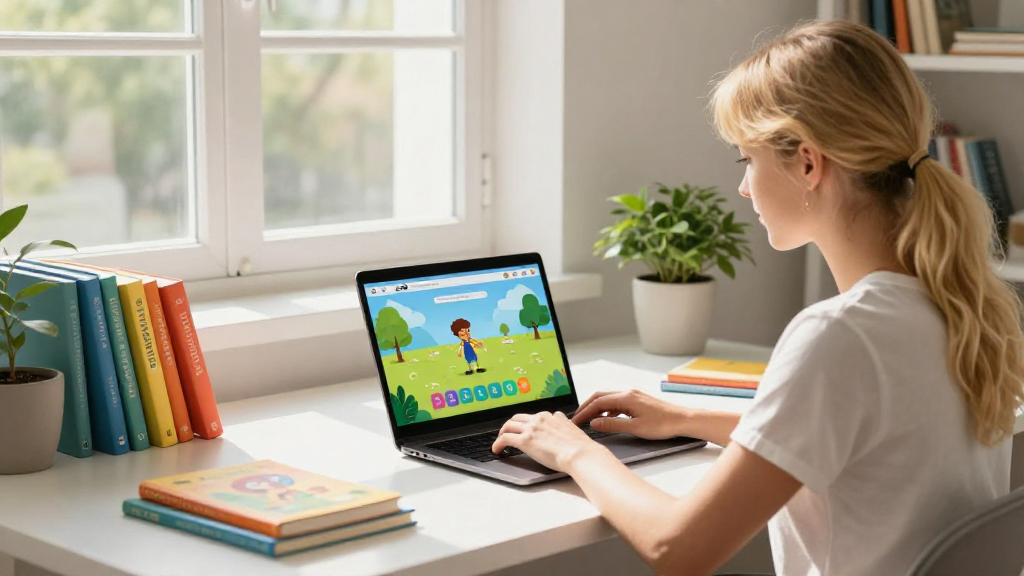
In recent years, the question has emerged: do games improve learning speed? This article explores the fascinating intersection of gaming and education to analyze whether interactive experiences can enhance our ability to learn effectively and efficiently.
How Do Games Affect Learning Speed?
When we discuss how do games improve learning speed, it’s essential to consider the various types of games available today, as well as the unique mechanisms they employ that might boost cognitive capabilities.
What Types of Games Are There?
Games can be broadly categorized into several types, each potentially enhancing learning speed through immersive experiences:
- Educational Games: Specifically designed to teach skills or concepts.
- Puzzle Games: Focus on problem-solving and critical thinking.
- Action Games: Improve reaction time and hand-eye coordination.
- Simulation Games: Offer real-world experiences in a controlled environment.
Each type serves its purpose but shares the ability to engage players deeply, making learning less of a chore and more of an adventure.
How Do Games Engage Players?
One crucial factor in understanding if do games improve learning speed is player engagement. Games utilize several techniques to captivate users, such as:
-
Motivation through Rewards: Players receive points, badges, or new levels, fostering a sense of achievement.
-
Immediate Feedback: Gamers get instant responses to their actions, enabling quicker adjustments and understanding.
-
Challenge and Success: The balance between challenge and skill is pivotal in keeping players engaged and enhancing their learning.
Can Games Improve Cognitive Skills?
Numerous studies suggest that playing games can indeed enhance various cognitive skills, which are vital in the learning process:
-
Enhanced Memory: Games often require players to remember patterns, sequences, or strategies, which can improve overall memory capacity.
-
Problem-Solving Skills: Strategy and puzzle games compel players to think critically and creatively, honing their problem-solving abilities.
-
Increased Attention: Fast-paced games can sharpen focus and attention span, enabling learners to stay concentrated on tasks longer.
What Does Research Say About Gaming and Learning?
A growing body of research supports the notion that do games improve learning speed. Highlighted below are some compelling findings:
-
A study published in the journal “Computers & Education” found that students who engaged with educational games demonstrated improved retention of information.
-
Research from the University of California indicates that action games can increase visual attention and enhance spatial reasoning.
-
A report from the International Society for Technology in Education (ISTE) noted educational games significantly boost motivation, leading to better academic performance.
How Can Educational Games Be Implemented?
To harness the benefits of gaming for educational purposes, institutions and educators can take the following steps:
-
Incorporate Game-Based Learning: Integrate educational video games into the curriculum to complement traditional teaching methods.
-
Use Gamification: Implement game design elements in non-game contexts, such as using points, leaderboards, and challenges in usual lessons.
-
Select Appropriate Games: Choose games that align with educational objectives and cater to various learning styles.
-
Monitor Progress: Use analytics to track player performance and adapt learning experiences accordingly.
-
Encourage Collaboration: Foster teamwork through multiplayer games to enhance social skills and peer learning.
What Are the Limitations of Using Games for Learning?
Despite the potential benefits of gaming, some limitations need consideration:
-
Screen Time Concerns: Excessive gaming can lead to health issues, such as eye strain and sedentary behavior.
-
Distraction Factor: Not all games prioritize learning, and the abundance of entertainment-focused games can sometimes overshadow educational themes.
-
Cost Factors: High-quality educational games can be expensive, making them less accessible in some educational settings.
What Benefits Can Be Gained from Game-Based Learning?
Embracing the notion that do games improve learning speed opens the door to several advantages, including:
-
Enhanced Engagement: Games make learning fun, decreasing resistance to studying and homework.
-
Creative Thinking: Players often think outside the box to solve problems within games, which can transfer to other areas of their lives.
-
Collaboration Skills: Multiplayer games promote communication and teamwork, vital skills in today’s job market.
-
Customization and Adaptation: Many games offer personalized learning experiences that can be adapted to individual needs and progress.
How Can Parents Support Learning Through Games?
Parents play an essential role in the educational gaming landscape. Here are strategies to support their children effectively:
-
Choose Age-Appropriate Games: Ensure the games are suitable for their child’s age and skill level.
-
Set Limits: Establish a balanced approach to screen time while encouraging physical activity and non-screen hobbies.
-
Engage with Children: Play games together, fostering discussion and reinforcing learning concepts.
-
Encourage Critical Thinking: Discuss game strategies and encourage children to brainstorm solutions beyond the game.
-
Review Educational Value: Assess the educational potential of games and select those that align with academic goals.
Conclusion: Do Games Improve Learning Speed?
To summarize, the question do games improve learning speed receives considerable support from both research and practical applications. The immersive and dynamic nature of games offers various cognitive benefits that traditional educational methods may lack.
When combined with strategic implementation and parental guidance, educational games can be a powerful tool for enhancing learning speed and fostering skills essential for future success.
As we continue to embrace technology in education, acknowledging the potential of games can lead to innovative and engaging learning experiences for learners of all ages.