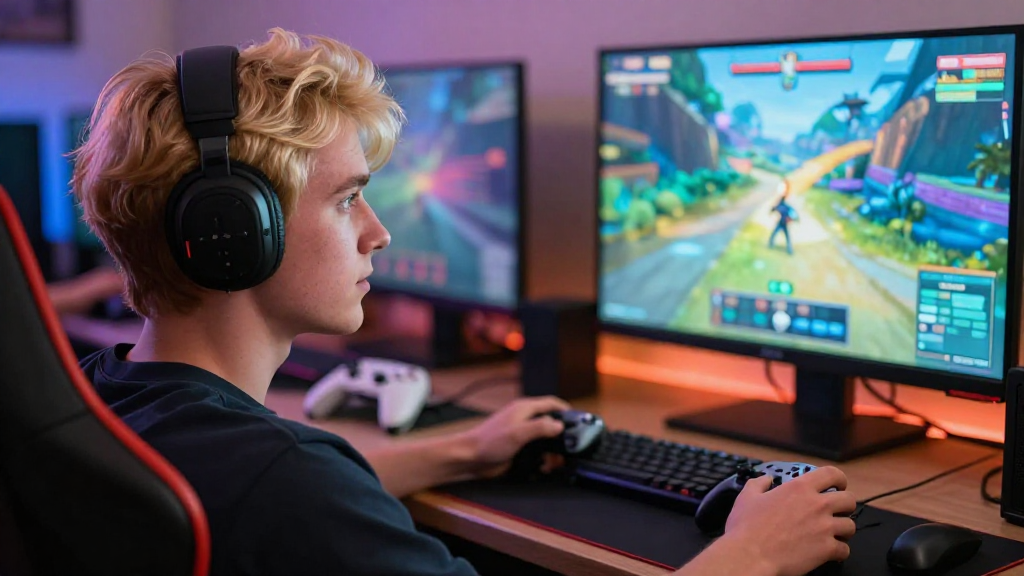
Do games teach adaptability? This question resonates with many educators, parents, and gamers alike, as we explore the potential benefits of gaming in developing essential skills.
As the landscape of education evolves, the role of gaming is increasingly being recognized. Games, whether played on consoles, computers, or mobile devices, may offer more than just entertainment; they could also serve as powerful tools for learning adaptability in various situations.
What is Adaptability?
Adaptability refers to the ability to adjust to new conditions or environments. This skill is crucial not just in gaming but also in real-life situations such as:
- Career Changes: Adapting to a new job or industry.
- Social Interactions: Navigating different social settings or cultures.
- Problem Solving: Finding creative solutions to unexpected challenges.
Adaptability is about being flexible and responsive, and many games are designed to foster this trait in their players.
Do Games Teach Adaptability Through Challenges?
The core of many games revolves around overcoming obstacles.
Players often face challenges that require them to rethink strategies in real time. Whether it’s adapting to a sudden change in game rules or learning to exploit a new feature, these challenges can enhance adaptability in several ways:
- Problem Solving: Players must analyze situations quickly and develop new strategies.
- Critical Thinking: Players evaluate options and make decisions based on dynamic environments.
- Risk Assessment: Many games involve risk-reward systems where players learn to assess potential outcomes of their actions.
By presenting players with ever-changing scenarios, games can stimulate adaptability. But how exactly do they achieve this?
How Do Games Promote Learning in a Non-Linear Way?
Do games teach adaptability in an engaging manner? Absolutely! Games are inherently designed to promote active participation. Unlike traditional methods of learning, which can be linear and static, video games often require players to navigate through non-linear paths.
- Experiential Learning: Players learn from their failures and successes, making adjustments as they progress.
- Feedback Systems: Games provide immediate feedback, allowing players to refine their strategies without fear of real-world repercussions.
- Multi-level Progression: As players advance, they face increasingly complex challenges that demand higher adaptability.
This method of learning not only enhances adaptability but also keeps players engaged and invested.
Can Multiplayer Games Enhance Social Adaptability?
Another aspect worth considering is multiplayer gaming.
Do games teach adaptability in social settings? Yes, they do! Multiplayer games often necessitate teamwork, communication, and negotiation. In these environments, players learn to adapt not only to changing game dynamics but also to the personalities and strategies of other players.
For instance:
- Collaboration: Players must often work together to achieve a common goal. This requires adapting to various roles, skill sets, and strategies.
- Conflict Resolution: Disagreements are natural in competitive environments. Managing these situations helps players develop negotiation and compromise skills.
- Building Relationships: Multiplayer games create social bonds that encourage players to learn about different perspectives and adapt to varied social dynamics.
These experiences can serve players well in both personal and professional settings after they step away from the screen.
Do Games Teach Adaptability to Younger Generations?
How do games influence children’s adaptability? From an early age, children are encountering digital landscapes that require a degree of adaptability.
Games designed for younger audiences often incorporate elements that encourage players to think critically and adjust swiftly. Some benefits include:
- Cognitive Development: Games encourage players to think on their feet and recognize patterns, which can enhance their overall cognitive flexibility.
- Emotional Resilience: Experiencing failure in a game environment teaches kids to manage setbacks and learn from them.
- Emphasis on Learning Through Play: Educational games, in particular, can seamlessly blend learning and fun, further solidifying adaptable skills.
Given the rising influence of technology in education, it’s clear that games can play a significant role in teaching adaptability to youth.
Are There Risks Associated with Gaming?
While exploring how games teach adaptability, one must also recognize potential risks associated with excessive gaming.
It’s essential for parents and guardians to guide their children’s gaming experiences. Here are a few concerns and suggestions for safe gaming practices:
- Screen Time: Monitor the amount of time spent gaming to ensure a healthy balance with other activities.
- Content Selection: Choose games that provide mental challenges rather than mindless entertainment.
- Encourage Offline Interaction: Promote social activities and outdoor play to complement the adaptability skills learned in-game.
By maintaining a balanced approach, the benefits of adaptability gained through gaming can be maximized while minimizing potential drawbacks.
What Are Some Popular Games That Teach Adaptability?
If you’re wondering do games teach adaptability effectively, then consider introducing specific games that exemplify this skill. Here are a few popular options known for enhancing adaptability:
- Minecraft: Promotes creativity and problem-solving as players build and navigate through their worlds.
- Fortnite: Teaches players to adapt strategies on the fly, adapting to new scenarios and opponents.
- Overcooked: Requires teamwork and adaptability as players manage multiple kitchen challenges.
- League of Legends: Focuses on strategic thinking and adapting to live decisions in a competitive environment.
These games not only entertain but are also excellent vehicles for fostering the essential skill of adaptability.
Final Thoughts: Are Games Good Teachers of Adaptability?
Ultimately, do games teach adaptability? The evidence suggests a resounding yes.
From improving cognitive flexibility to enhancing social skills, games can serve as effective platforms for developing adaptability.
As educators, parents, and players, recognizing the value of gameplay as a learning tool can transform how we view gaming.
Through critical thinking, problem-solving, and social interaction, games can prepare players to navigate a world that is continually changing.
Incorporating games into learning environments or everyday life may provide a fun yet significant way to cultivate the vital skills required for success in the 21st century.
So, the next time someone questions the value of gaming, you can confidently state that games do indeed teach adaptability.