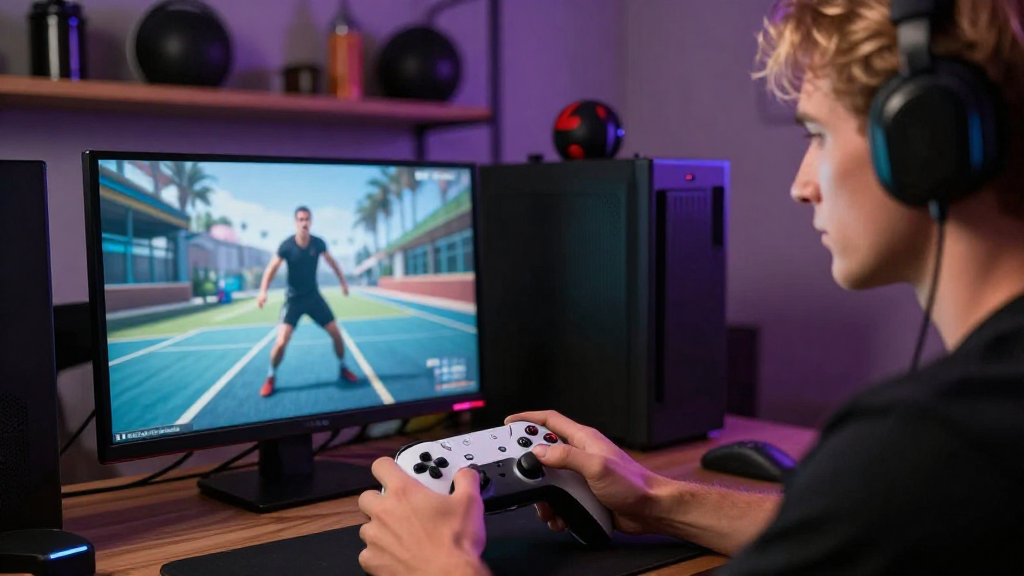
Do games train muscle memory? This intriguing question has gained popularity among gamers, athletes, and fitness enthusiasts alike. Many individuals are curious if engaging in video games or sports simulations can enhance physical skills and memory.
What is Muscle Memory?
Muscle memory refers to the process where the brain creates a storehouse of motor skills through repetitive practice.
Through consistent repetition of movements, the brain develops neural pathways that enable quicker and more efficient action.
Key points about muscle memory include:
- Repetition: The more you practice a particular movement, the more ingrained it becomes.
- Neurological Factors: The brain strengthens the connections between neurons, making movements feel more natural.
- Time Efficient: With enough practice, tasks can be performed with minimal conscious effort, freeing cognitive space for other activities.
Do Games Train Muscle Memory? How Do They Work?
So, do games train muscle memory? The answer is not straightforward, but there are some helpful insights to consider.
Many video games require players to replicate complex movements, requiring the use of fine motor skills, timing, hand-eye coordination, and strategic thinking.
Here’s how games can contribute to training muscle memory:
-
Repetitive Actions: Engaging in certain gameplay often involves repeated actions, which can help solidify motor skills.
-
Virtual Simulations: Games that simulate real-life sports allow players to practice perfecting their swings, throws, or jumps without any real-world repercussions.
-
Feedback Mechanisms: Many games provide instant feedback, enabling players to adjust their performance and refine their skills.
-
Cognitive Engagement: Video games often require quick decision-making and adaptive strategies, further reinforcing muscle memory.
Are There Specific Types of Games that Help?
Not all games equally contribute to training muscle memory.
Certain genres are more effective than others. Below are types of games that can be especially beneficial:
-
Sports Simulation Games: These are designed to replicate real sports. Games like FIFA, NBA 2K, and MLB The Show mimic real-life athletic movements.
-
Rhythm Games: Titles like Dance Dance Revolution and Beat Saber require players to respond to music cues through movement, enhancing muscle memory through rhythmic patterns.
-
Action and Fighting Games: Games such as Tekken and Street Fighter demand precise timing and muscle control, requiring players to memorize combos for optimal performance.
Do Physical Games Have an Impact?
When evaluating the question, “do games train muscle memory?” it is essential to look beyond digital platforms.
Physical games, such as traditional sports, also play a vital role in muscle memory. Here’s how:
-
Skill Refinement: Sports like basketball or soccer require repetitive practice of skills such as dribbling, shooting, and passing, effectively training muscle memory.
-
Team Dynamics: Playing in a team helps develop communication and understanding of movement patterns, which enhances muscle memory.
-
Real-Time Pressure: Unlike video games, physical sports add real-world pressure, which can further improve your ability to perform skills under stress.
What Scientific Studies Say
Numerous studies have delved into the relationship between games and muscle memory.
A study published in the journal Neuroscience demonstrated that visualizing a movement can create neural activity similar to actual movement practice.
This finding can support the idea that video games, which involve visualizing and executing movements, may help train muscle memory even if players are not physically active.
Conclusion: Do Games Train Muscle Memory?
To sum up, the question “do games train muscle memory?” elicits a variety of perspectives.
While video games and physical games alike offer opportunities to hone skills, the effectiveness often depends on the nature of the game and how it influences player engagement.
- Key Takeaways:
- Engaging in repetitive gameplay can enhance motor skills.
- Virtual simulations provide a valuable platform for honing physical abilities.
- Real-life sports complement digital games in training muscle memory.
If you’re interested in improving your skills, consider incorporating a combination of both video games and physical activities into your routine.
By doing so, you can maximize your training potential and reap the benefits of improved muscle memory.