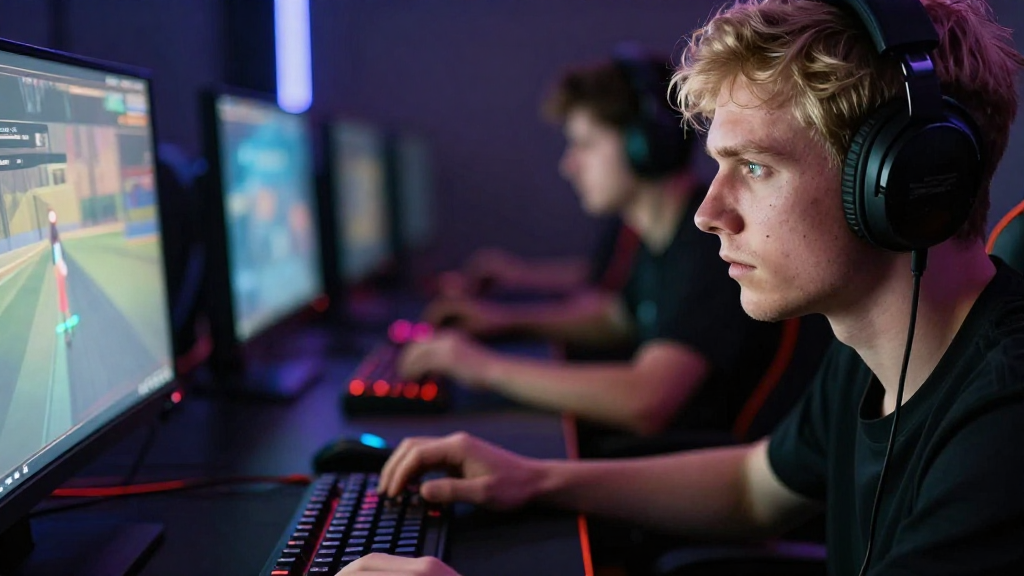
In the fast-paced world of competitive gaming, understanding gaming and performance pressure is crucial for success.
Gamers often face incredible expectations, whether from themselves, their peers, or the gaming community.
To thrive in such an environment, players develop a variety of techniques to manage the stress and maintain their focus.
What Is Gaming and Performance Pressure?
Gaming and performance pressure refer to the stress and anxiety experienced by gamers when they compete at high levels or when they feel they must perform well for a specific audience.
This pressure can arise from:
- Competitive scenarios: Tournaments or ranked matches where skill, strategy, and teamwork are crucial.
- Community expectations: The influence of viewers or followers on streaming platforms.
- Personal goals: The desire to improve or attain a certain rank or status.
Understanding the dynamics of gaming and performance pressure is essential for players aiming to excel in their respective games.
How Do Gamers Cope with Performance Pressure?
Gamers employ a variety of strategies to manage performance pressure effectively.
Here are some commonly used methods:
1. Practice and Preparation
Skill development is fundamental in competitive gaming.
Players often engage in:
- Regular practice sessions: To hone their skills and improve game mechanics.
- Reviewing gameplay: Analyzing past performances to identify strengths and weaknesses.
- Studying opponents: Understanding competitors’ strategies to formulate counter strategies.
This preparation helps reduce anxiety and builds confidence in their abilities.
2. Mindfulness and Relaxation Techniques
Many gamers turn to mindfulness and relaxation to cope with pressure. Techniques include:
- Deep breathing exercises: Calming the mind and body before matches.
- Meditation: Improving focus and mental clarity.
- Visualization: Imagining successful gameplay scenarios to boost confidence.
These strategies can significantly enhance a player’s performance by creating a calm and focused mindset.
3. Time Management
Balancing gaming with daily responsibilities is essential to avoid feeling overwhelmed.
Gamers often utilize time management techniques by:
- Setting schedules: Allocating specific times for practice, leisure, and other obligations.
- Establishing breaks: Taking regular breaks while gaming to prevent burnout.
- Limiting exposure to stressful situations: Reducing time spent in high-pressure scenarios, if necessary.
By organizing their time effectively, gamers can help alleviate the stress associated with performance pressure.
4. Building a Support Network
Having a strong support network can greatly influence a gamer’s experience with pressure.
Players often:
- Connect with teammates: Discuss strategies and boost morale.
- Engage with online communities: Share experiences and receive encouragement.
- Seek feedback: Learning and growing through constructive criticism can alleviate pressure.
This support system creates a sense of belonging and helps players feel less isolated when dealing with performance-related stress.
5. Setting Realistic Goals
Setting achievable goals can help gamers manage expectations and reduce performance pressure.
Goals should be:
- Specific: Clearly defined targets related to improvement or rankings.
- Measurable: Quantifiable progress that allows for tracking.
- Attainable: Realistic and within the player’s current skill level.
- Relevant: Aligning with long-term aspirations.
- Time-bound: Setting deadlines to maintain motivation.
By focusing on small, achievable goals, gamers can cultivate a sense of progress while mitigating the stress induced by unrealistic expectations.
How Does Gaming and Performance Pressure Affect Mental Health?
The impact of gaming and performance pressure on mental health can be significant.
Gamers may experience:
- Increased anxiety: Fearing poor performance in competitive situations.
- Burnout: Feeling exhausted and disengaged from the game due to prolonged stress.
- Imposter syndrome: Doubt in one’s abilities, despite evidence of competence.
Awareness of these potential effects allows gamers to address issues proactively, ensuring a healthier balance between competition and personal well-being.
What Are Some Signs of Performance Pressure in Gamers?
Recognizing the signs of gaming and performance pressure is essential for both players and their support networks.
Typical indicators include:
1. Heightened Emotions
Gamers may show intense frustration, anger, or disappointment after matches.
2. Changes in Performance
A consistent decline in gameplay quality may indicate stress-related issues.
3. Social Withdrawal
Players may isolate themselves, withdrawing from friends and gaming communities, which increases feelings of stress.
4. Physical Symptoms
Stress can manifest physically, resulting in headaches, fatigue, or sleep disturbances.
If these signs arise, it’s essential to address the underlying issues to maintain a healthy gaming lifestyle.
What Role Does Community Play in Managing Performance Pressure?
The gaming community can have a profound influence on how gamers handle performance pressure.
1. Positive Reinforcement
Supportive communities that provide encouragement and constructive feedback can help reduce anxiety levels, making it easier to manage pressure.
2. Shared Experiences
Connecting with fellow gamers who face similar challenges creates understanding and validates feelings, helping individuals cope better.
3. Resource Sharing
Communities often share strategies and tips for managing gaming and performance pressure, providing players with tools to enhance their gameplay.
How Can Players Use Technology to Cope with Performance Pressure?
In today’s digital age, technology offers various tools to help gamers address performance pressure.
Such resources include:
- Performance tracking apps: Monitoring improvement and identifying areas for growth.
- Stress management software: Offering guided meditation or relaxation exercises tailored to gamers.
- Streaming platforms: Allowing for live feedback and interaction with viewers can provide a strong support system.
Utilizing technology effectively can empower gamers to take control of their performance while managing stress levels.
Conclusion
Understanding how to handle gaming and performance pressure is essential for any gamer striving for success.
By employing techniques such as mindful practice, connecting with supportive communities, and leveraging technology, players can enhance their overall gaming experience.
As they navigate the challenges of competition, prioritizing mental health ensures a healthier and more enjoyable journey through the gaming world.
Ultimately, addressing performance pressure is not just about winning but fostering resilience, connection, and well-being in the gaming community.