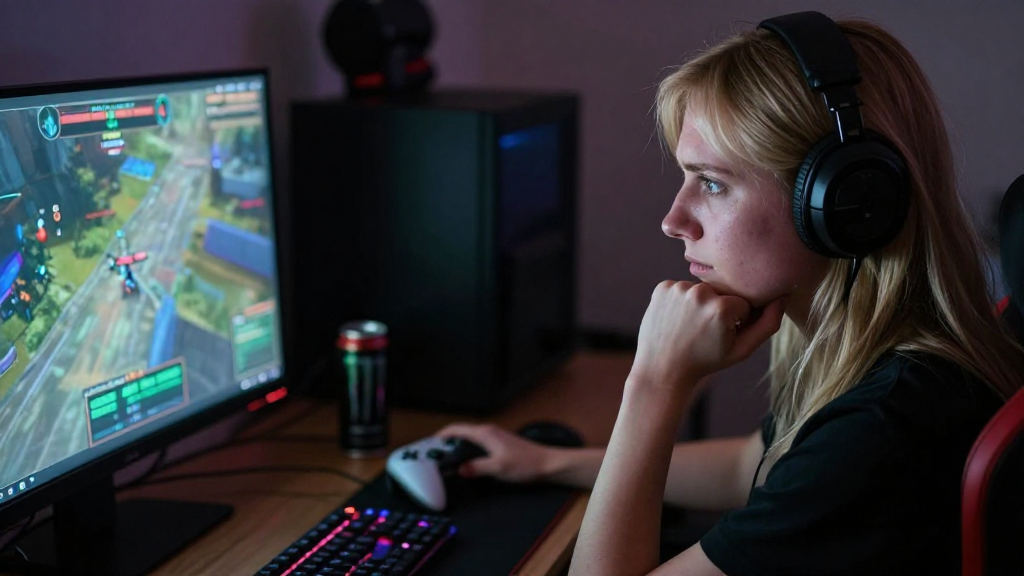
How gamers deal with loss is an important subject within the gaming community.
Loss is an inevitable part of gaming, whether in competitive matches, battle royales, or even single-player experiences.
Understanding how gamers cope with losing can provide insights into their emotional resilience and community dynamics.
Why Is Losing an Essential Part of Gaming?
Losing is integral to the gaming experience for several reasons:
-
Skill Development:
Losing can highlight areas for improvement.
It encourages players to analyze their mistakes and enhance their skills. -
Emotional Growth:
Experiencing loss cultivates emotional resilience.
It teaches players how to handle disappointment and frustration. -
Community Building:
Sharing stories of loss can strengthen relationships among gamers.
It fosters a sense of camaraderie in both victory and defeat.
How Do Gamers Deal with Loss?
When it comes to how gamers deal with loss, various coping mechanisms come into play.
Here are some common strategies:
1. Analyzing the Game
After a loss, many gamers will spend time analyzing their gameplay.
- They review match replays or stream highlights.
- They identify mistakes or poor decisions.
- Engaging with communities or forums can help them gain insights from others’ experiences.
This analytical approach can turn a negative outcome into a learning opportunity, enhancing future performance.
2. Taking a Break
Sometimes, stepping away is the best way to cope with losing.
- A gamer might log off for a while and engage in other activities.
- This pause helps reset their mindset and reduces feelings of frustration.
- After a break, many find they can return with a clearer head and improved focus.
3. Focusing on the Positive
Shifting focus away from loss to the aspects of the game they enjoy can be beneficial.
- Many players focus on the fun elements of gaming, such as storyline or graphics.
- They may remind themselves of their past victories or achievements.
This positive reinforcement can help balance the emotional toll of defeat.
4. Engaging with Friends
Social interaction plays a significant role in how gamers deal with loss.
- Many play games with friends or family, fostering a supportive environment.
- They can share their feelings and experiences, which can lighten the emotional burden.
- Group discussions about losing can lead to humorous or enlightening moments that reinforce friendships.
5. Staying Active in the Community
Gamers often turn to their communities for support and camaraderie.
- Participating in discussions, whether through social media, forums, or gaming platforms, allows them to share their experiences.
- They find solace in knowing that others face similar challenges.
Community support can serve as a valuable resource for coping.
6. Daily Challenges and Goals
Instead of focusing solely on winning, many gamers set daily challenges or goals.
- These can include mastering a specific skill or character, or simply enjoying the game without worrying about the outcome.
- Achieving smaller goals can provide a sense of accomplishment, mitigating the feelings associated with larger losses.
Why Is Emotional Resilience Important in Gaming?
How gamers deal with loss showcases their emotional resilience.
Understanding this importance can help gamers navigate their experiences more effectively. Here’s why emotional resilience is essential:
-
Mental Health:
Gaming can be stressful, and emotional resilience can prevent anxiety or frustration. -
Improved Performance:
Resilient players can recover quickly from setbacks and improve their gameplay in the long run. -
Social Skills:
Managing losses can promote empathy and understanding toward others, leading to healthier gaming environments.
What Are Some Negative Coping Strategies?
While many gamers adopt positive coping mechanisms, some may resort to negative strategies as well.
Recognizing these can help players avoid detrimental habits. Here are a few:
-
Blaming Others:
Pointing fingers at teammates or external factors rather than reflecting on personal performance can lead to toxic behaviors. -
Excessive Rage:
Some gamers succumb to frustration, resulting in aggressive outbursts or destructive behaviors. -
Withdrawal:
Isolating oneself from gaming communities after a loss can further exacerbate feelings of inadequacy or disappointment.
How to Foster Healthy Coping Mechanisms
Encouraging healthy coping mechanisms in the gaming community can make a significant difference.
-
Promote Open Communication:
Discussing feelings and experiences when dealing with loss can help minimize stigma. -
Create Supportive Spaces:
Encourage gamers to form supportive groups or attend workshops on emotional resilience. -
Highlighting the Journey:
Focus on the importance of the gaming journey rather than just the final result. This mindset can change the way gamers view loss.
Conclusion
Understanding how gamers deal with loss is essential for both players and the broader gaming community.
From analyzing their gameplay and taking breaks to fostering community connections, coping mechanisms play a vital role in emotional resilience.
By promoting positive coping strategies and supporting one another, gamers can cultivate a healthier attitude toward both victories and defeats.
As they continue to engage in the competitive and often challenging environment of gaming, fostering emotional resilience will be crucial.
Ultimately, mastering the art of coping with loss can enhance not only their gaming experience but their overall mental well-being as well.
Being part of the gaming community means sharing the highs and lows together.
Together, gamers can learn that how gamers deal with loss is just as important as celebrating their successes.