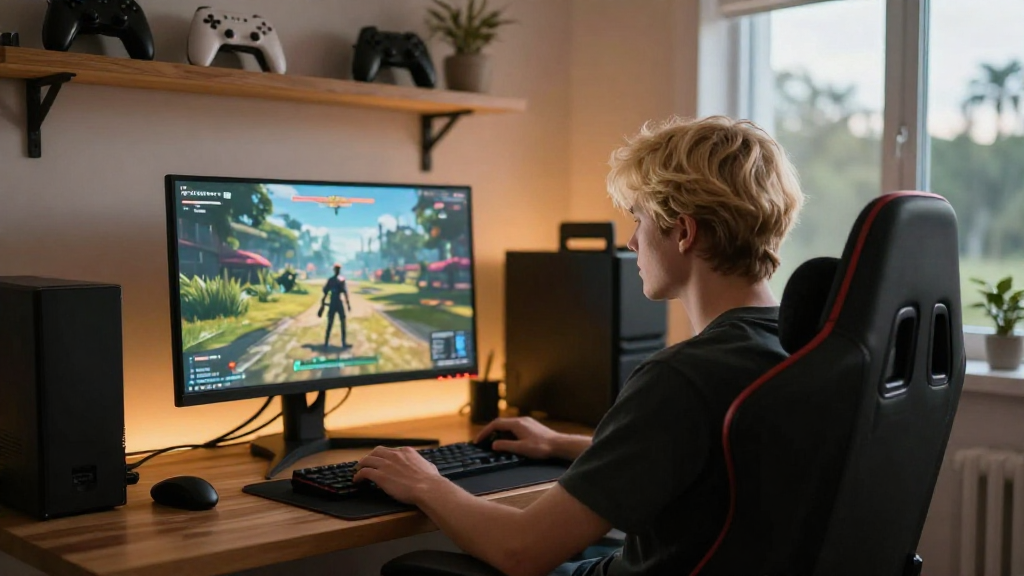
In recent years, a fascinating discussion has emerged about the relationship between gaming and long-term focus.
What does the research say about the benefits of gaming on concentration?
How Does Gaming Affect Cognitive Skills?
Gaming is often viewed merely as a leisure activity.
However, studies suggest that it can have significant effects on cognitive skills.
Many games require players to think critically, make quick decisions, and process information rapidly.
Here’s how gaming can enhance cognitive skills, particularly focusing on long-term concentration:
-
Increased Attention Span
Action games, in particular, can improve players’ attention spans by training them to concentrate for longer periods.
Players often need to maintain focus while dealing with continuous challenges, leading to improved sustained attention over time. -
Enhanced Multitasking Abilities
Strategy and simulation games often require players to manage multiple tasks simultaneously.
This multitasking can improve the ability to juggle various responsibilities, which translates into better focus in real-life situations. -
Problem-Solving Skills
Many games present complex problems and scenarios that need quick thinking and adaptive strategies.
Players develop a greater capacity to focus on problem-solving, refining their cognitive process.
Can Gaming Improve Long-Term Focus?
At this point, you might be wondering: can gaming truly improve long-term focus?
Several studies have examined the impact of gaming on attention and concentration.
The results point to promising potential for players, especially when it comes to specific types of games.
Focused Engagement in Games
Interestingly, gamers often experience a state of flow—a mental state where they become fully immersed in the game.
This level of engagement cultivates concentration.
As players face challenges and work towards goals, they practice focusing their attention for extended periods.
This engagement might help translate into real life, boosting long-term focus as players learn to commit to tasks completely.
Different Game Types and Their Impacts
Not all games offer the same benefits when it comes to gaming and long-term focus.
Different genres can have unique impacts on concentration abilities:
-
Action Games:
Fast-paced and demanding immediate responses, these games can enhance quick decision-making and sustained attention. -
Puzzle Games:
Games like Sudoku or Tetris require players to think critically and plan several moves in advance.
This stimulates long-term focus development and problem-solving capabilities. -
Strategy Games:
These games demand high levels of planning and foresight.
Players learn to analyze situations and make decisions, fostering enhanced focus over time. -
Simulation Games:
Simulation games encourage players to think ahead, preparing them for future challenges while enhancing long-term focus.
Are There Downsides to Gaming?
While there are numerous benefits to gaming, it is essential to acknowledge potential downsides.
Excessive gaming can lead to negative outcomes, such as:
-
Reduced Physical Activity:
Long hours spent gaming can lead to a sedentary lifestyle, which may affect overall health and well-being. -
Social Isolation:
Players may become engrossed in the gaming world, leading to reduced face-to-face interactions.
This isolation can impact emotional development and long-term focus if people aren’t engaging in diverse social activities. -
Addiction Concerns:
Gaming addiction is a real phenomenon that can disrupt daily life, making it difficult to focus on non-gaming tasks.
Striking a balance between gaming and other activities is vital for maintaining focus out of the gaming environment.
How to Use Gaming to Enhance Long-Term Focus
If you’re considering utilizing gaming as a tool for improving long-term focus, here are some tips to ensure you reap its benefits:
-
Choose the Right Games
Opt for games known for enhancing cognitive skills and attention.
Puzzle and strategy-based games are good choices for improving long-term focus. -
Set Time Limits
Dedicate specific periods for gaming to prevent excessive hours.
This can help retain a healthy balance between gaming and other essential activities. -
Engage in Diverse Activities
Diversify your leisure activities to include physical exercise and social interactions.
Combining gaming with other pursuits can enhance overall cognitive health and focus. -
Practice Mindfulness
Integrate mindfulness practices into your routine, which can complement the attention skills honed through gaming.
Techniques like meditation and deep-breathing exercises can further improve your ability to maintain long-term focus.
Future Research Directions
One exciting area of ongoing research is understanding how gaming and long-term focus interact in other contexts.
As more studies emerge, we may gather deeper insights into how gaming can be effectively employed to enhance cognitive functions.
-
Potential for Education:
Researchers are exploring how gaming can be integrated into educational settings to promote focus and retention. -
Therapeutic Uses:
Some studies suggest that gaming could be used as a therapeutic tool for attention-related disorders, providing a controlled environment to practice focus.
Conclusion
In summary, gaming can indeed improve long-term focus under the right conditions.
Research highlights various cognitive benefits associated with the activity, such as increased attention span and enhanced multitasking abilities.
By choosing appropriate games, setting time limits, and engaging in diverse activities, players can harness the potential of gaming to enhance their concentration over time.
While there are potential downsides, maintaining a healthy balance is key.
As we move forward, continued studies in this field may unveil even more ways to blend gaming with cognitive enhancement strategies effectively.
The relationship between gaming and long-term focus is a developing topic worthy of exploration, and the benefits could extend beyond the screen into various aspects of everyday life.