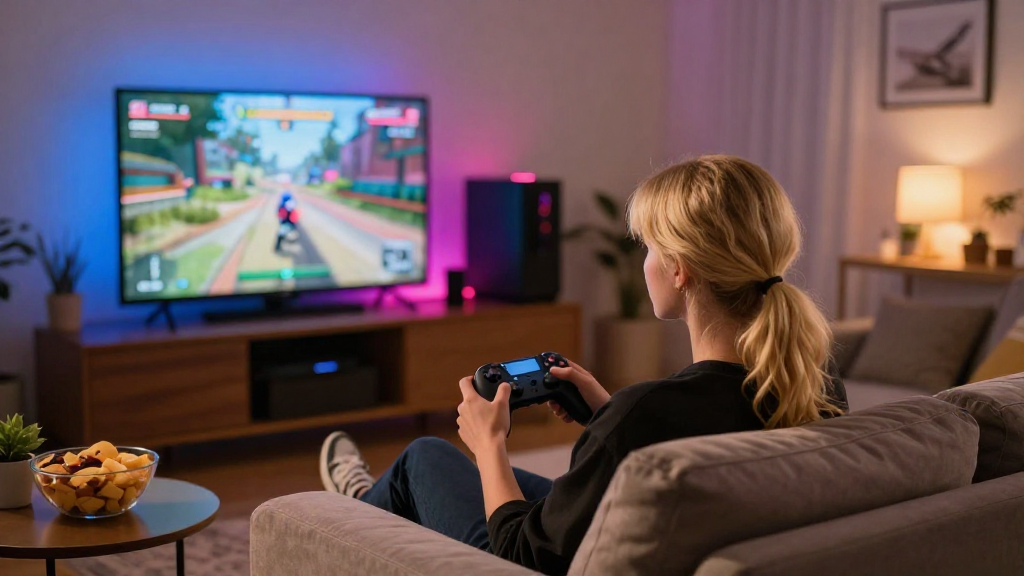
Is gaming a waste of time? This question has been debated by parents, educators, and even gamers themselves for years. In a world where digital entertainment is ubiquitous, understanding the impact of gaming on our lives is crucial.
What Are the Arguments Against Gaming?
Critics of gaming often suggest that it can lead to:
-
Addiction: Many argue that gaming can become an addictive behavior, leading players to spend excessive hours in front of screens.
-
Social Isolation: One common point made is that excessive gaming can result in a lack of social interaction and reduced face-to-face communication.
-
Neglected Responsibilities: Critics sometimes note that gamers may avoid responsibilities such as schoolwork or job obligations in favor of gaming.
Given these concerns, it’s reasonable to ask, is gaming a waste of time? While some critics may view gaming through a negative lens, the reality is much more nuanced.
What Are the Benefits of Gaming?
Before jumping to conclusions about whether gaming is a waste of time, it’s essential to consider some notable benefits:
Cognitive Skills Development
Video games often require strategic thinking and problem-solving skills. Many games challenge players to:
-
Plan ahead: Whether building a civilization or planning an ambush, strategy is key.
-
React quickly: Fast-paced action games can enhance reaction times and decision-making speed.
-
Adapt to new challenges: Many games present unexpected challenges, teaching players to adapt quickly.
Social Connections
Contrary to the belief that gaming leads to social isolation, many gamers form strong online communities. Multiplayer games like Fortnite or League of Legends encourage teamwork and communication. Players often:
-
Collaborate with friends: Many games are designed for team-based play, enabling players to connect with others around shared goals.
-
Build friendships: Online relationships often develop, leading to real-world friendships and networking opportunities.
-
Participate in events: E-sports and gaming tournaments are vibrant environments for social interaction.
Emotional Resilience
Gaming can also provide a safe space for emotional growth. Engaging with video games allows players to:
-
Manage stress: Many people use gaming as a form of escapism, providing a break from daily pressures.
-
Experience failure: Learning to cope with setbacks in games can translate into real life, teaching resilience and grit.
-
Practice empathy: Games that emphasize storytelling often explore deep emotional themes, helping players understand diverse perspectives.
Is Gaming a Waste of Time in Terms of Career Opportunities?
Interestingly, the gaming industry provides several career paths that didn’t exist a few decades ago. E-sports, game development, and streaming have exploded in popularity, creating numerous roles, including:
-
Game designers: Individuals responsible for creating the mechanics and aesthetics of games.
-
E-sports professionals: Gamers who compete in organized competitions for cash prizes.
-
Content creators: Streamers on platforms like Twitch and YouTube who provide entertainment while showcasing their gameplay.
As gaming continues to grow, the skills developed through gaming can be instrumental in landing jobs in various fields.
Are All Games Created Equal?
It’s essential to distinguish between different types of games.
While some games may contribute to negative behaviors, countless others foster essential skills:
-
Educational games: Titles like Minecraft: Education Edition and Kahoot! blend fun with learning, reinforcing educational concepts.
-
Puzzle games: Games such as Tetris and Portal enhance logical thinking and reasoning.
-
Fitness games: With options like Ring Fit Adventure and Just Dance, gamers can enjoy physical activity in a digital format.
This diversity raises an important question: if not all gaming serves the same purpose, how can we assess whether gaming is a waste of time overall?
How Can Gaming Be Balanced Wisely?
The key to ensuring gaming adds value to your life lies in balance. Here are some strategies for responsible gaming:
-
Set time limits: Establish boundaries for gaming sessions to prevent them from encroaching on other aspects of life.
-
Choose quality games: Focus on games that promote problem-solving, creativity, or collaboration rather than mindless entertainment.
-
Engage socially: Play games that incorporate social interaction, whether online or with friends in person.
-
Combine gaming with other activities: Find ways to integrate gaming with physical fitness or other hobbies.
By taking these steps, it becomes evident that gaming can enrich rather than detract from life.
How Do Different Cultures View Gaming?
Cultural perspectives also shape whether gaming is perceived as a waste of time. In some countries, such as South Korea and Japan, gaming is widely accepted as a valid form of entertainment, akin to sports and traditional hobbies.
In these cultures, children often grow up playing video games, leading to:
-
Greater acceptance: Societal norms view gaming as a legitimate pastime rather than a harmful activity.
-
Support for e-sports: Sports leagues dedicated to competitive gaming flourish in these environments.
Conversely, in cultures where gaming is stigmatized, misunderstandings can contribute to the viewpoint that gaming is a waste of time.
Are We Ignoring the Bigger Picture?
At its core, the debate around whether gaming is a waste of time often overlooks the fundamental question: What are we getting out of our leisure activities?
The ultimate value of any hobby, including gaming, lies in the enjoyment and personal growth it fosters.
Ultimately, engaging in activities that bring happiness, nurture creativity, or build connections can never truly be labeled a waste of time.
Conclusion: Is Gaming a Waste of Time?
So, is gaming a waste of time? The answer isn’t clear-cut.
Through moderation and mindful choices, gaming can serve as an effective tool for development, social connection, and emotional well-being.
By embracing the positive aspects of gaming while being aware of the potential downsides, players can find value in their gaming experiences.
Whether you’re a casual gamer, an e-sports competitor, or a content creator, the impact of gaming should be celebrated, not vilified.
As always, balance is key.
In the end, the question isn’t simply about whether gaming is a waste of time but rather how we choose to engage with it.